
You are probably at a crossroads if you are reading this. Whether you are a professional contractor looking to upgrade your power tools, an RC hobbyist tuning a drone, or a mechanical engineer developing the next generation of automated medical beds, one question always dominates the drivetrain debate: Should I use a brushed or a brushless motor?
For decades, the standard brushed motor has been the beating heart of power tools and automated machines. It is reliable, simple, and highly affordable. However, in recent years, brushless technology has dominated the market, promising more power, a longer service life, and superior efficiency. But is the increased cost actually worth it for your specific needs?
In this exhaustive guide, we move beyond the standard marketing hype. We will dive deep into how these motors actually work, analyze hard data from real-world tests across power tools and industrial linear actuators, calculate the Total Cost of Ownership (TCO), and help you make the exact right engineering choice for your next purchase or project.
How They Work: Inside Brushed and Brushless Motors
To understand why one motor outperforms another, we must examine the physics inside the casing. Both motors convert electrical energy into rotational movement via magnetic fields, but they do so in fundamentally different ways.
The Traditional Brushed Motor
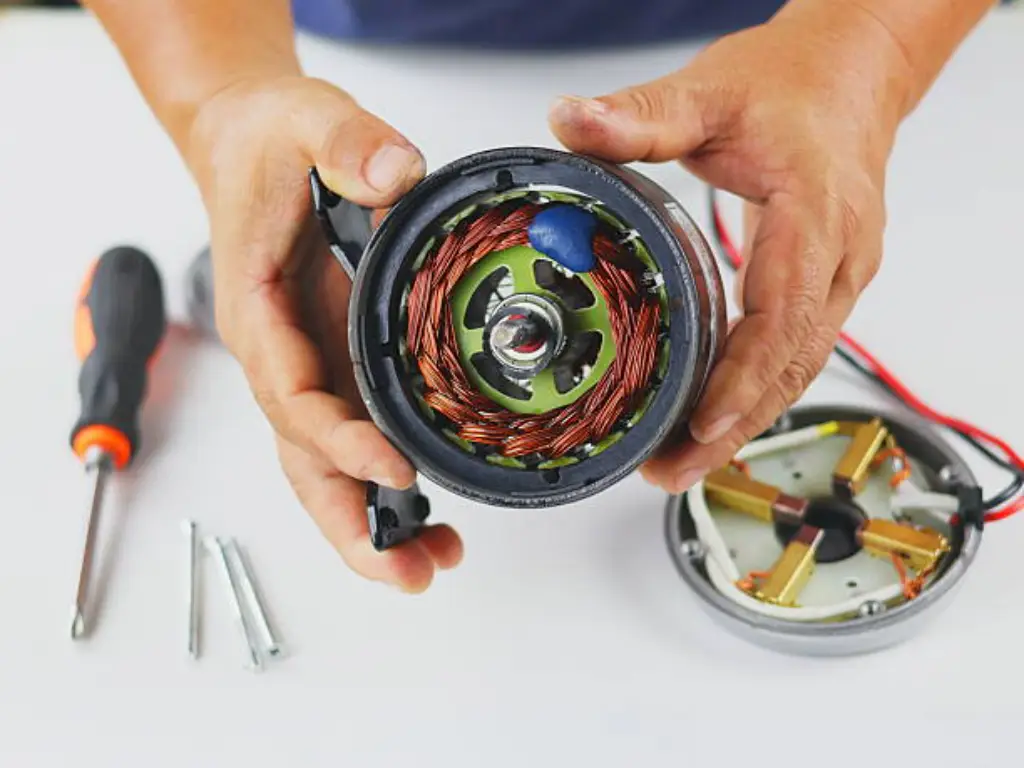
Imagine a traditional brushed motor as a mechanical relay system. Inside, you will find a ring of permanent magnets acting as the stationary part of the motor (the stator) and a spinning center consisting of electromagnet coils (the rotor).
Electricity must be supplied to these rotating coils to constantly change their magnetic polarity, forcing the rotor to spin. This is accomplished with two physical elements:
- The Commutator: A split copper ring attached to the spinning shaft.
- Carbon Brushes: Small blocks of carbon that literally rub against the rotating commutator to deliver the electrical current.
Because the brushes are in constant physical contact with the spinning commutator, they generate friction. This friction produces heat, electrical sparks, and causes the carbon brushes to wear out over time—much like a pencil eraser.
The Modern Brushless Motor
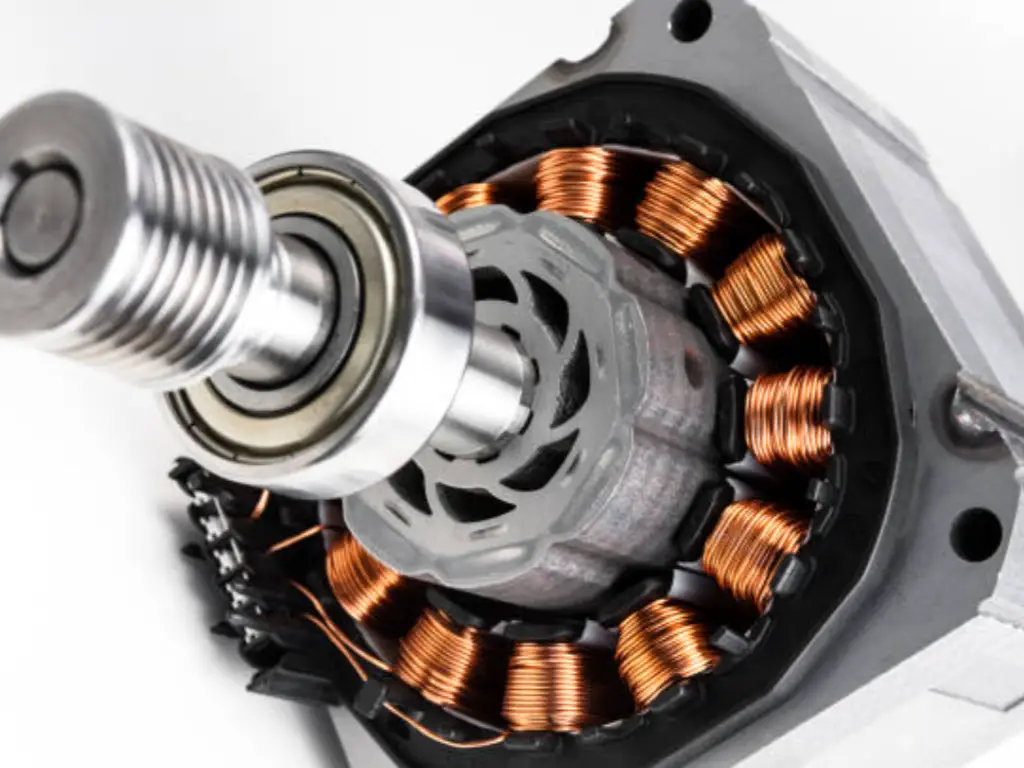
The brushless motor effectively inverts the traditional design. Instead of spinning heavy electromagnetic coils, it spins the permanent magnets. The electromagnets remain entirely stationary on the outside (the stator).
Since the coils are not moving, physical brushes and commutators are completely eliminated. Instead, an intelligent circuit board—often called an Electronic Speed Controller (ESC)—acts as the motor’s brain. The ESC rapidly dictates which stationary coils to energize and exactly when to fire them, pulling the permanent magnets and generating exceptionally smooth rotation.
No physical contact means zero friction, no sparks, and significantly less wasted energy. This is the secret behind the modern brushless revolution.
Real-World Tests: Power, Heat, and Lifespan
It is easy to claim brushless motors are “more efficient” on paper. But whether you are driving lag bolts on a construction site or designing a heavy-duty lifting column, you need hard operational metrics.
- Raw Power and Speed Under Load
- In Power Tools: In timed benchmark tests driving 3-inch deck screws into dense pine, brushless impact drivers consistently finish the task 20% to 25% faster. The internal ESC continuously monitors resistance and adjusts the current to maintain maximum RPMs, whereas a mechanical brushed motor naturally bogs down under heavy load.
- In Linear Actuation & Automation: This speed stability translates to constant thrust. If an automated industrial lift is rated for 6000N, a brushless linear actuator will maintain a steady, uniform lifting speed regardless of whether it is pushing 1000N or its maximum 6000N capacity. Brushed systems, conversely, will exhibit a noticeable speed drop as the physical load increases.
- Heat Generation and Duty Cycle
Friction is the ultimate enemy of mechanical efficiency and continuous operation.
- In Power Tools: During continuous high-load applications, thermal imaging reveals brushed motor casings spiking above 140°F (60°C), often generating the distinct smell of burning carbon and triggering thermal overload shutdowns. Brushless tools typically run 15°C to 20°C cooler.
- In Linear Actuation & Automation: This thermal difference defines a system’s Duty Cycle. If you are designing a 24/7 automated packaging line, a brushed motor will quickly overheat and fail. Brushless motors are mandatory for continuous, 100% duty-cycle industrial applications. However, for intermittent use (like adjusting a hospital bed a few times a day), the heat generation of a brushed motor is a non-issue.
- Battery Runtime vs. Cycle Life
- In Cordless Tech (Drones & Drills): By eliminating mechanical drag, brushless technology consistently delivers a 30% to 50% increase in runtime per battery charge.
- In Industrial Machinery: For hardwired automated systems, the metric that matters is Cycle Life. A brushed motor will eventually require maintenance (replacing the carbon brushes) after roughly 10,000 cycles. A brushless motor, lacking these wear-and-tear parts, boasts a lifespan limited only by the physical degradation of its steel bearings—easily exceeding 30,000+ cycles of maintenance-free operation.
Total Cost of Ownership (TCO): Which Is Truly Cheaper?
Consumers often experience sticker shock when comparing prices; brushless tools and motors can be 30% to 50% more expensive upfront. But intelligent buyers and B2B procurement managers evaluate the Total Cost of Ownership (TCO).
If you purchase a cheaper brushed motor for a high-frequency application, you are buying a maintenance liability. The cost of replacing carbon brushes, the productivity lost to machine downtime, and the energy wasted as heat will quickly eclipse the initial savings. A brushless motor will often recoup its premium within months through zero-maintenance operation and higher energy efficiency.
The TCO Rule of Thumb: If the application requires continuous, heavy-duty, or hard-to-reach operation, the high initial cost of a brushless motor yields a massive long-term financial payoff. For low-frequency, intermittent tasks, the brushed motor remains the undisputed king of cost-efficiency.
Application Segmentation: Choosing the Right Drivetrain
Because no single motor fits every scenario, your optimal choice is dictated by your specific industry and application.
For Consumer DIY and Occasional Fixers
If you are assembling flat-pack furniture or hanging drywall a few times a year, choose a brushed motor. It offers an unmatched price-to-performance ratio. The carbon brushes will likely take a decade to wear out under light household use.
For RC Racers and Drone Pilots
In the Radio-Controlled world, power-to-weight ratio is everything. Brushless motors are the exclusive choice for drones and RC racers due to their astronomical RPMs and lightweight stators. (The only exception is RC Rock Crawlers, where high-end brushed motors are sometimes used for ultra-smooth, low-speed throttle control).
For Industrial and Commercial Automation (Linear Actuators)
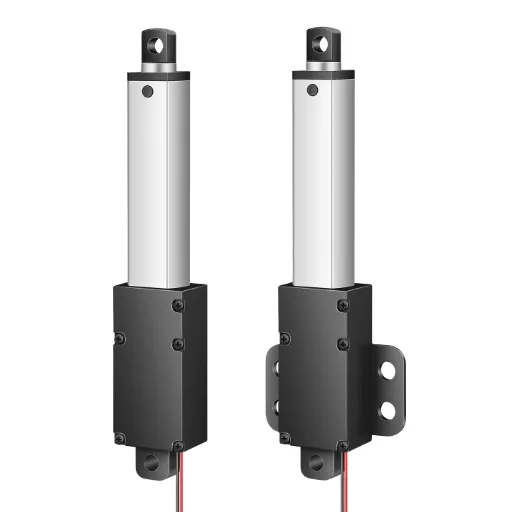
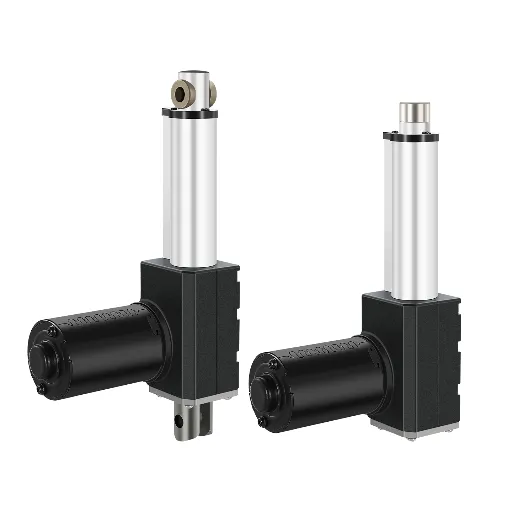
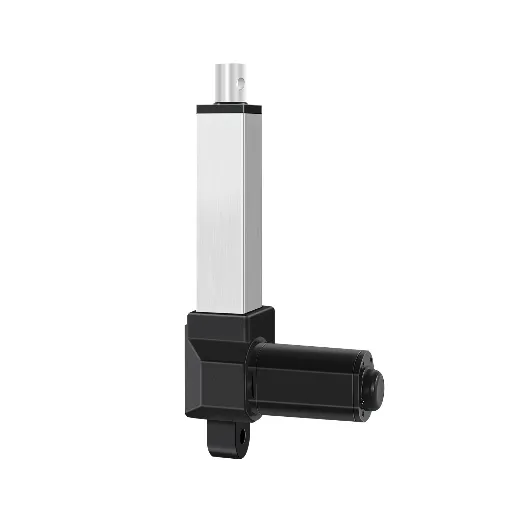
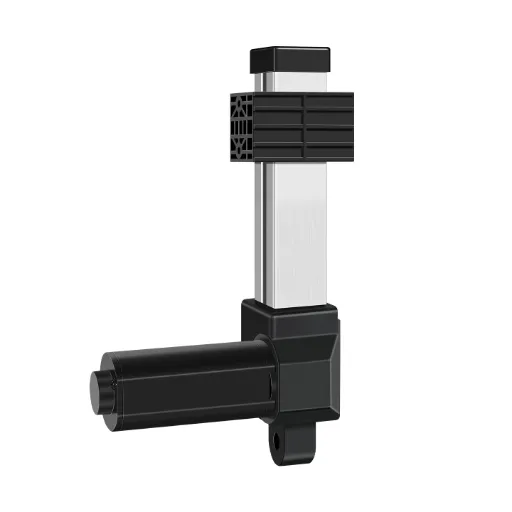
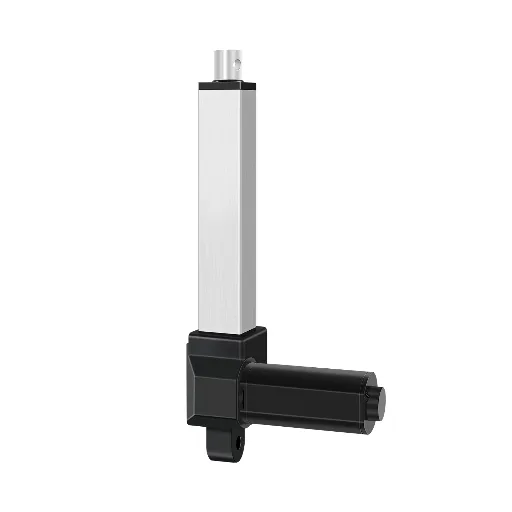
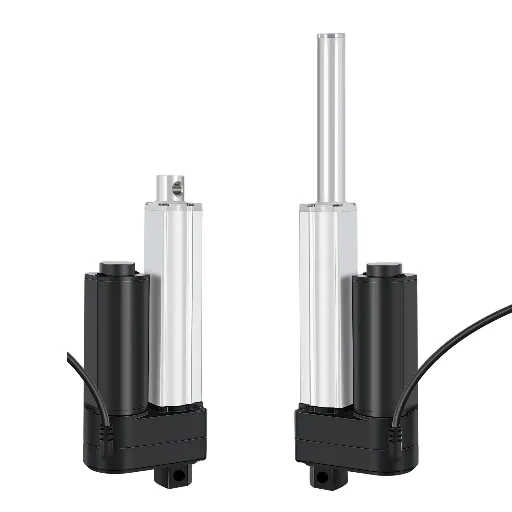
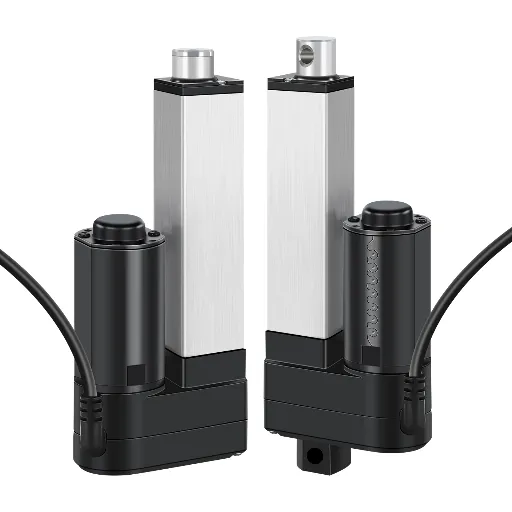
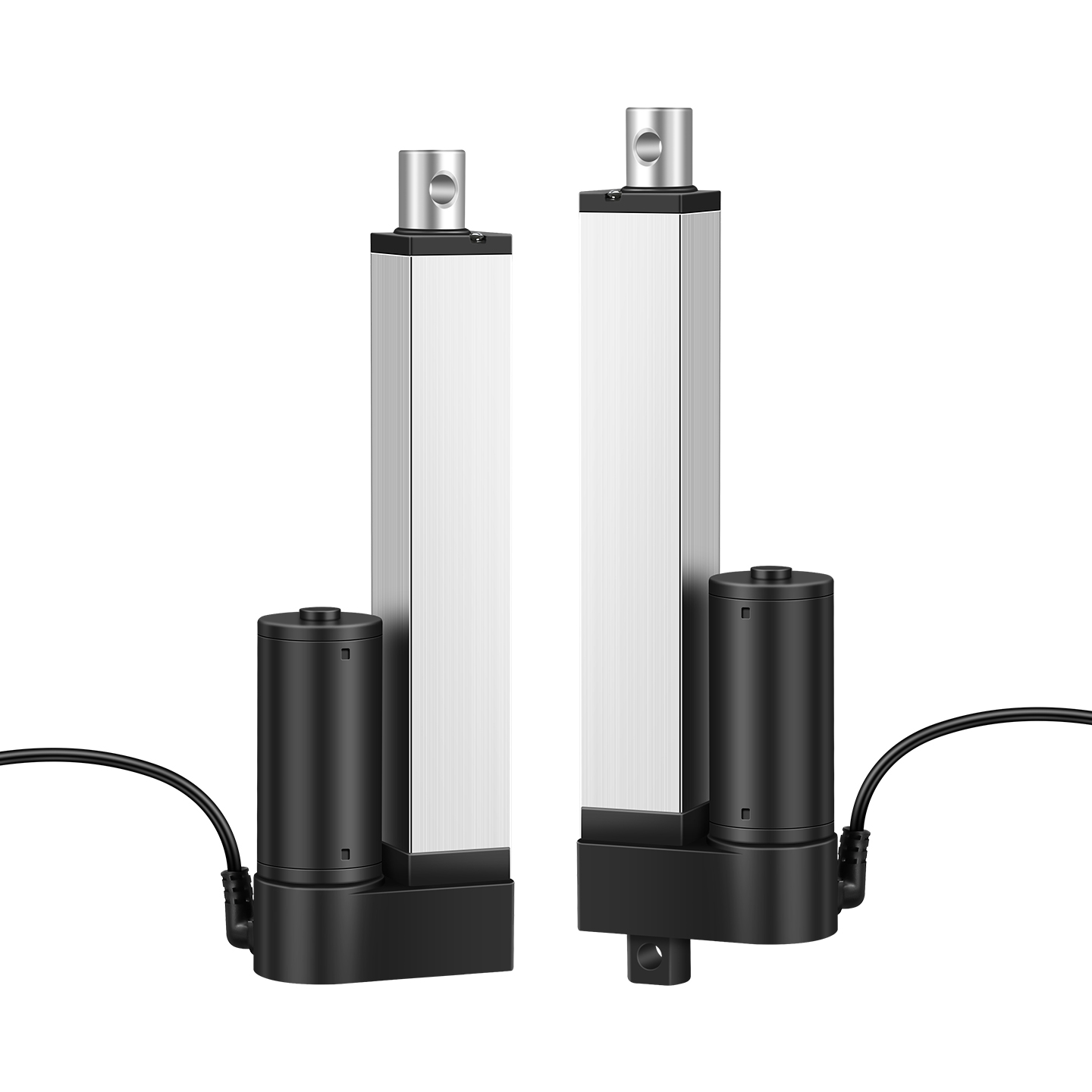
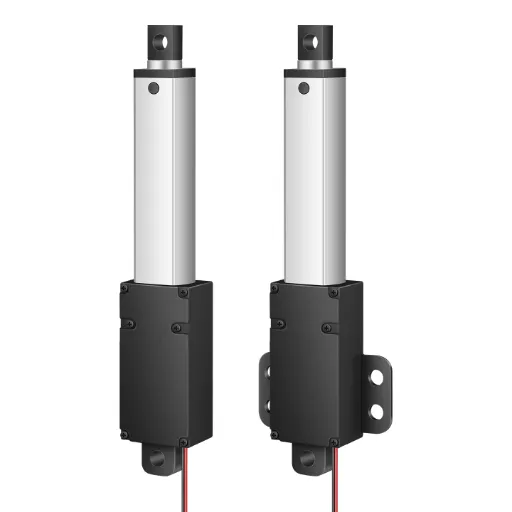
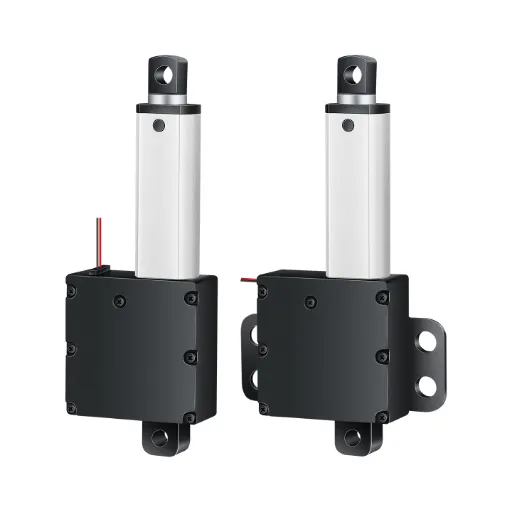
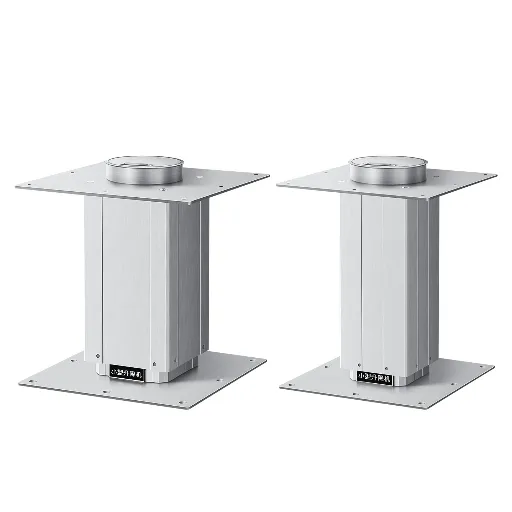
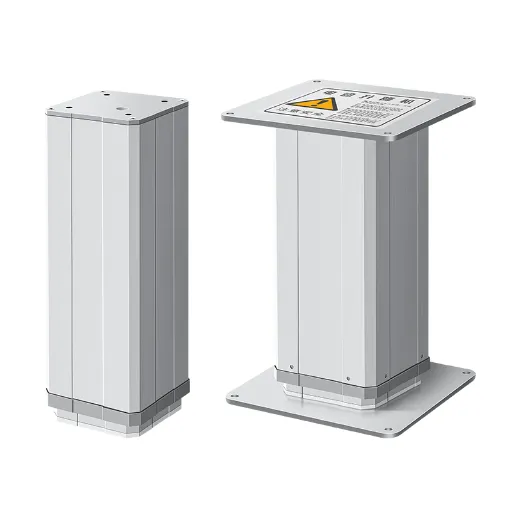
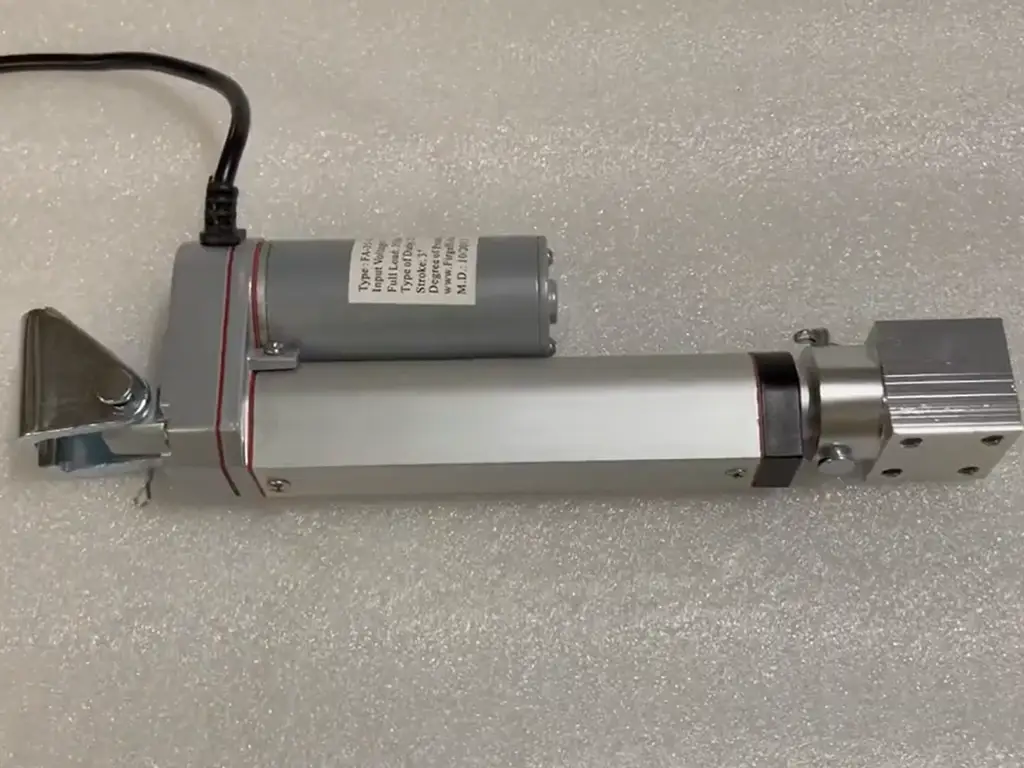
Motors do not just spin drill bits; they power the automated world around us. In linear actuators (the electromechanical devices that push, pull, and lift), the motor dictates the precision, acoustic profile, and lifespan of the entire machine:
Solar Trackers & Industrial Gantry Systems: These face harsh weather, require maximum thrust, and demand millions of maintenance-free cycles. Brushless motors are an absolute engineering necessity in these high-duty-cycle environments. translates to a reduction in battery swaps, reduced reliance on chargers and an increased overall battery cell life.
Medical Beds & Smart Furniture: Cost-effective Brushed motors are highly preferred here. When paired with high-precision gears, they can operate at whisper-quiet levels (<50dB) without the high-frequency electronic whine sometimes associated with brushless ESCs.
From Motors to Motion: The Hoodland Solution
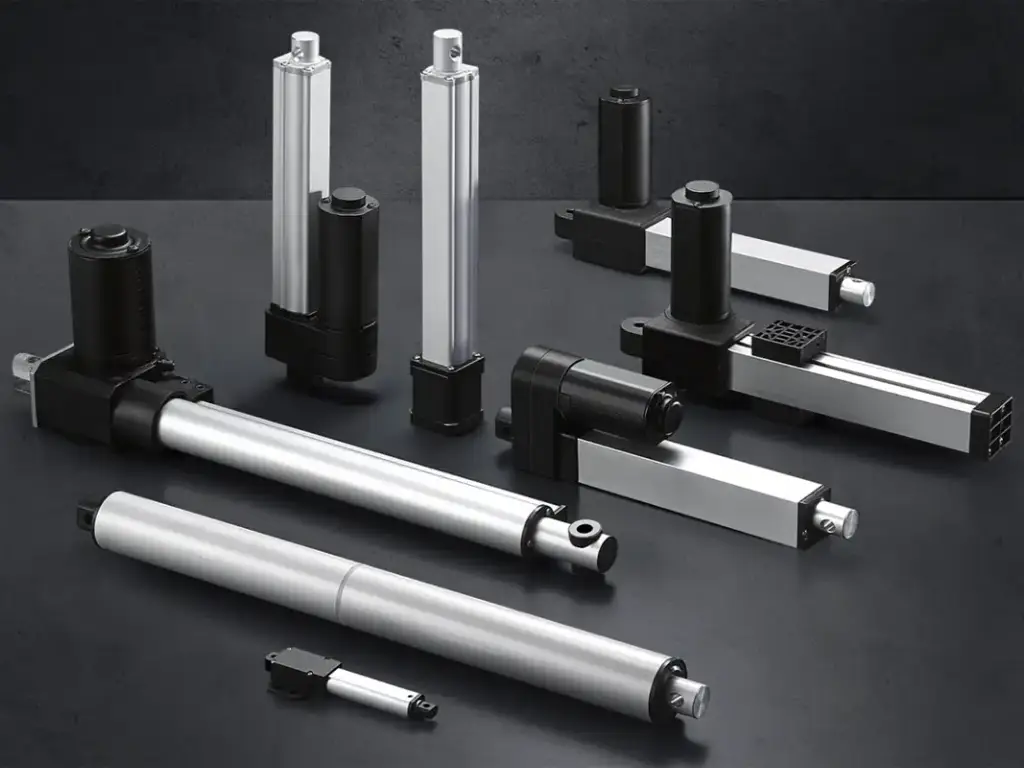
Selecting the right motor technology is only the first step. Translating that raw rotational power into precise, safe, and reliable linear motion is a complex engineering challenge.
Since 1989, Hoodland has evolved from a precision mold manufacturer into a global leader in linear actuation systems. We do not just sell standalone motors; we engineer comprehensive, fully sealed, “Plug-and-Play” motion solutions. We seamlessly integrate both premium brushed and advanced brushless motor technologies into our actuators based on your exact project requirements.
Why Top Global Industries Choose Hoodland:
- Whisper-Quiet Operation (<50dB): Benefiting from our deep heritage in precision mold processing, our brushed IP Series actuators feature customized gear meshing that operates at library-level quietness—a critical requirement for ergonomic office desks and sensitive medical wards.
- Extreme Load Versatility: Whether you need the heavy-duty IP6000 Series driven by powerful motors to safely push 6000N (approx. 600kg), or the compact IP70 Micro Series for tight automotive spaces, we configure the exact drivetrain for the load.
- Guaranteed Durability: Every single unit undergoes a rigorous 100% aging test before leaving our 4,901-square-meter facility, guaranteeing a stabilized design life of over 30,000 cycles.
- Smart Control Integration: We build the “brains” right in, integrating advanced position feedback (Hall Sensors/Potentiometers) and custom controllers for synchronized, soft-start/stop functionality.
- Global Safety Certifications: Fully ISO9001, CE, and RoHS compliant. Crucially, Hoodland holds the highly sought-after Ex Explosion-proof certification (Ex ib IIA T6 Gb), proving our sealed motor enclosures are safe for the world’s most volatile industrial environments.
Final Verdict: Make the Right Engineering Decision
The debate between brushless and brushed motors is ultimately an assessment of application versus value. Brushed motors are wonderful, cost-effective solutions for intermittent, low-duty applications where silent operation and low upfront costs are paramount. However, if your project demands high continuous torque, 100% duty cycles, and zero maintenance, brushless technology is the undisputed champion.
Whether you are designing a complex multi-axis industrial machine or engineering a quiet lift system for a hospital, the drivetrain you specify will determine your product’s success.
Ready to power your next big project?
Stop wrestling with raw components and start integrating tested motion solutions. Contact Hoodland’s engineering team today for a free consultation, custom stroke calculations, and an exclusive quote tailored exactly to your linear automation needs.
 English
  Chinese