
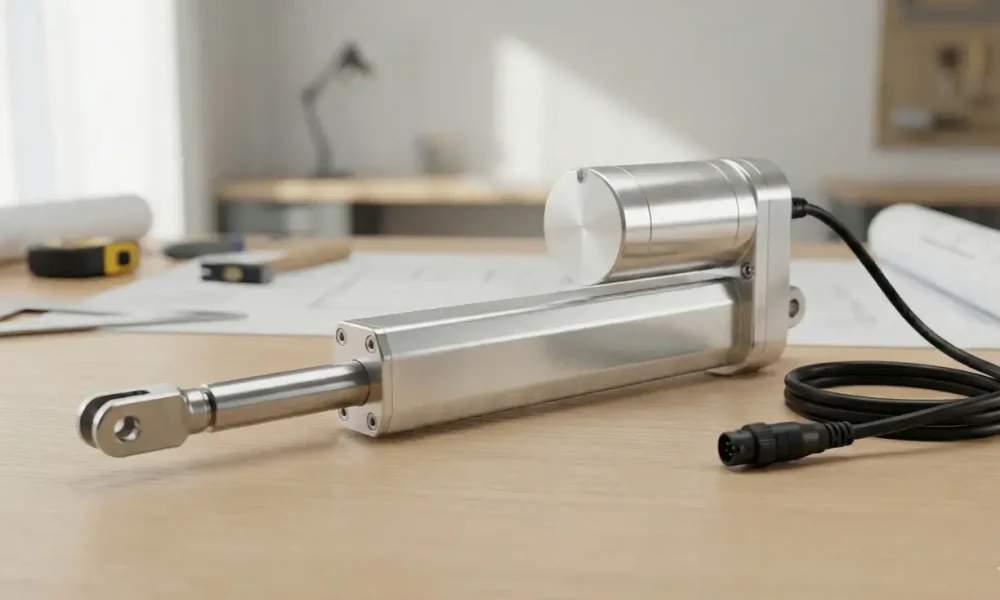
Conversion of rotational motion to linear motion is a constraint in the field of mechanical engineering. When it comes to the design of a high-speed industrial gantry or a high-precision medical instrument, the engineer is always presented with a binary decision to make regarding the drive mechanism: the Ball Screw Assembly or the Lead Screw Assemblies.
Although marketing literature tends to proclaim a clear-cut winner, a strict examination shows that there is no universal excellence. Rather, it is an optimization problem. The decision will be based solely on the specific requirements of the application: load, duty cycle, precision requirements, design specs, and the overall cost of ownership.
This guide offers a structural comparison of the physical variations, performance indicators, and economic consequences of the two technologies to help you find a good solution. Moreover, it looks at the make vs. buy decision—that is, when it is more effective to choose a pre-integrated linear actuator system instead of obtaining separate parts like custom nuts or determining the diameter of the lead screw yourself.
Core Operating Principles: The Physics of Rolling vs. Sliding
To understand the performance divergence between these two components, one must examine the tribology—the science of friction—at their core.
The Lead Screw: Sliding Friction
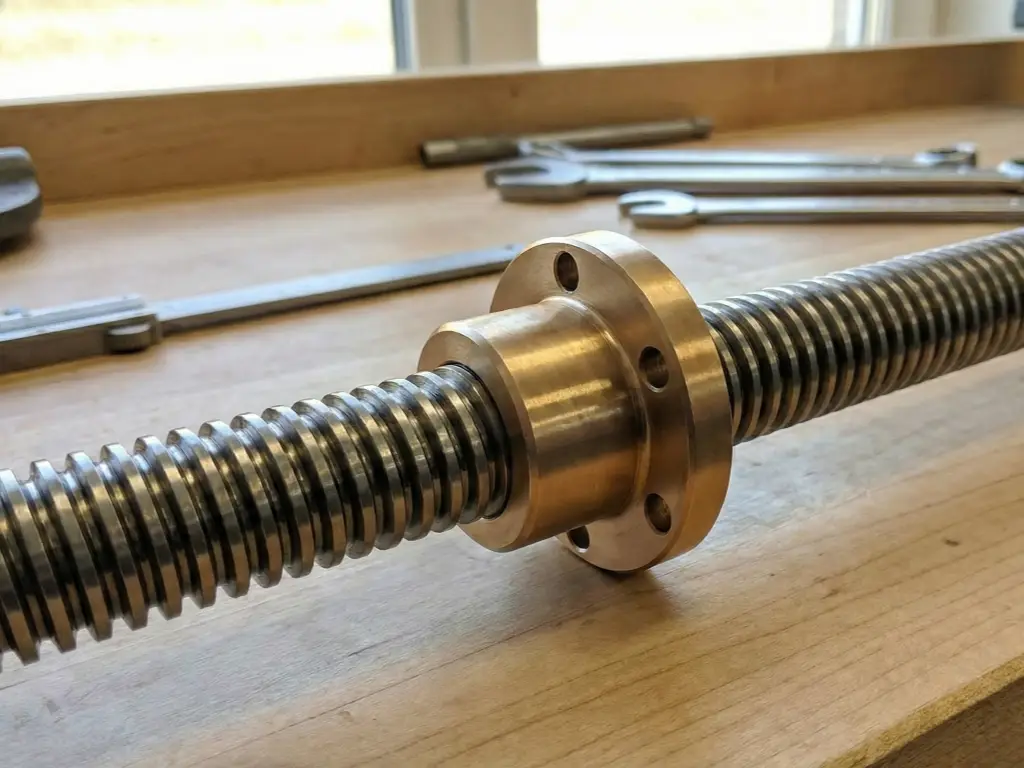
The lead screw is basically an inclined plane that is wound around a cylinder, often seen in Acme screws profiles. Its functionality depends on sliding friction. Lead screw nuts (usually bronze or a designed polymer) are in direct continuous contact with the threads of a stainless steel screw. The screw turns and the nut moves along the helical path.
The friction coefficient is large due to the large area of contact. This physical fact determines the characteristics of lead screws: high energy loss, high heat generation, but mechanically simple and strong work. It is the mechanical equivalent of pushing a heavy block on a floor; it is stable, but it takes a lot of force to get it moving. Common lead screw nut materials are often chosen to mitigate this, but friction remains a key factor.
The Ball Screw: Rolling Friction
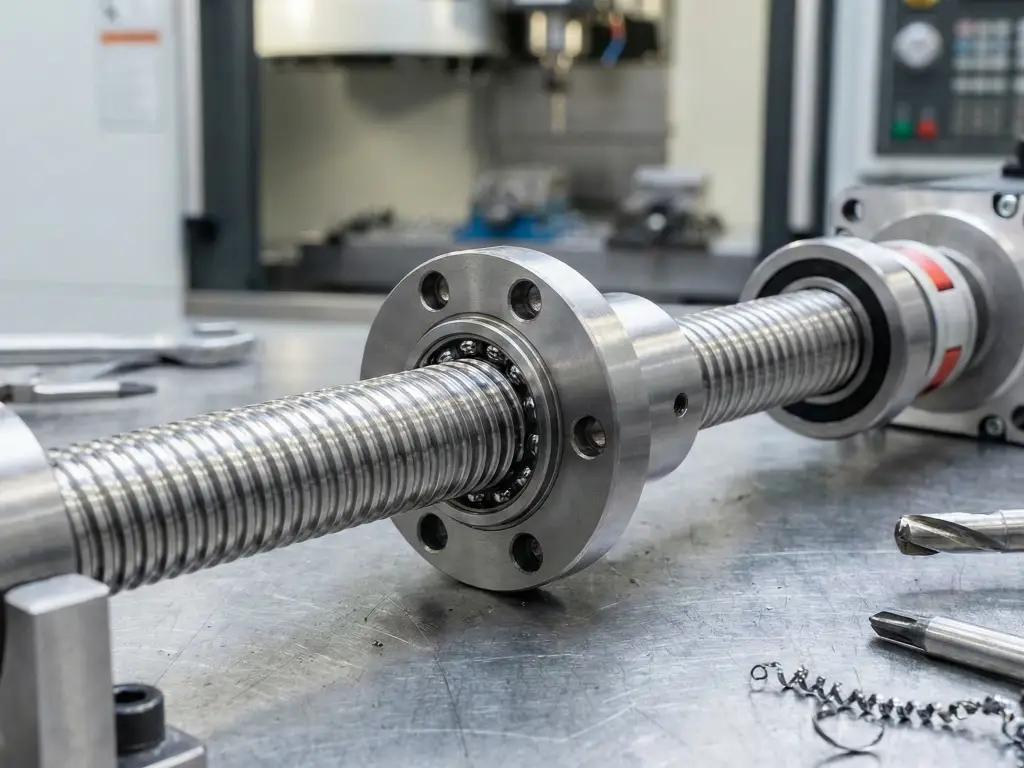
The ball screw assembly adds a new variable to the equation: recirculating ball bearings. The screw shaft and the ball nut are cut with helical grooves (races). The load is transferred as the rolling elements circulate in these races as the shaft rotates.
This mechanism replaces sliding friction with rolling friction, allowing for smooth motion and significantly lower friction. The recirculating balls, much like a wheel, make the nut easier to move. The contact area is minimized to point contacts, which gives a coefficient of friction that is usually less than 0.003. This results in higher speeds and fast linear speeds compared to lead screws.
Key Performance Metrics: A Deep Dive
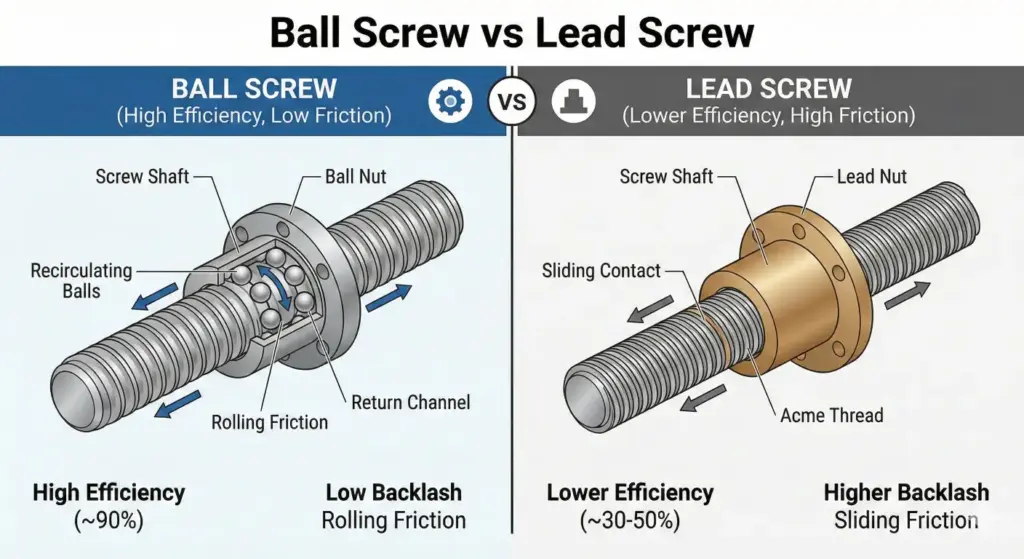
The choice between sliding and rolling friction dictates every subsequent performance metric. We must analyze these metrics not as isolated data points, but as interdependent variables.
Efficiency and Heat: Why “Duty Cycle” is the Determinant Factor
The direct effect of the difference in friction is efficiency.
- Ball Screws: Have the highest efficiency, typically 90-98%. A minimum of 90 watts of linear thrust is achieved out of every 100 watts of drive power input by the motor.
- Lead Screws: Lead screw efficiency is variable, between 30 and 70 percent, depending on the thread geometry and the lead angle of the screw thread.
This is not just an energy consumption gap, but a thermodynamic gap. The wasted energy in a lead screw is directly converted to heat. This leads to the important notion of Duty Cycle.
- High Duty Cycle (Continuous Operation): In industrial applications where a machine operates 24/7, a lead screw will get hot quickly. This heat buildup can soften plastic nuts. Thus, ball screws are the obligatory option for long service life in high-duty cycles.
- Low Duty Cycle (Intermittent Operation): For a standing desk or hospital bed, the high efficiency of a ball screw is of diminishing value, and the lead screw is a viable alternative.
Precision and Backlash: Do You Actually Need Zero?
Precision in linear motion is characterized by Positional Accuracy and Backlash.
- Ball Screws:Ball nut assemblies can have almost zero backlash since the recirculating ball bearings can be pre-loaded. This is essential in CNC machines where a change of direction should cause instant tool head movement.
- Lead Screws: To provide sliding, a clearance gap is necessary, leading to backlash. While anti-backlash nuts exist, they introduce friction. However, for a lead screw guide in simple automation, this may be acceptable.
Nevertheless, the question arises as to the usefulness of precision. A backlash of 0.1mm is functionally irrelevant in case the application is an automated window opener. One of the pitfalls that engineers always fall into is to specify high-precision ball screws when it is not necessary to provide high-precision in the end product.
Speed and Load Life: The Calculation Trap
The lifespan of these two components follows different physical laws.
- Ball Screws (L10 Life): Because they utilize steel bearings, ball screw life is calculated using the L10 standard—a statistical calculation predicting the number of revolutions 90% of a group of identical screws will achieve before metal fatigue occurs. This makes their lifespan highly predictable under dynamic loads.
- Lead Screws (PV Value): Lead screw failure is caused by abrasive wear, not fatigue. Their limit is defined by the PV Value (Pressure × Velocity). If the load (Pressure) is too high, or the speed (Velocity) is too fast, the heat generated at the interface will exceed the material’s limit, resulting in rapid failure.
Consequently, for high-speed, high-load dynamic applications, the ball screw is the only option that offers a predictable service life.
The Overlooked Safety Hazard: Back-driving
There is one specific metric where the inefficiency of the lead screw becomes its greatest asset: Self-Locking.
This phenomenon relates to the helix angle and the coefficient of friction.
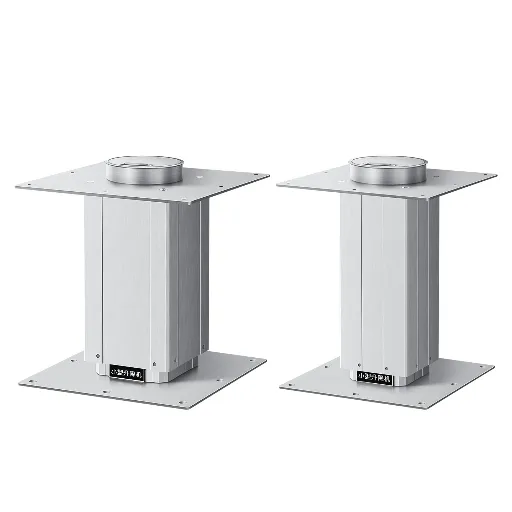
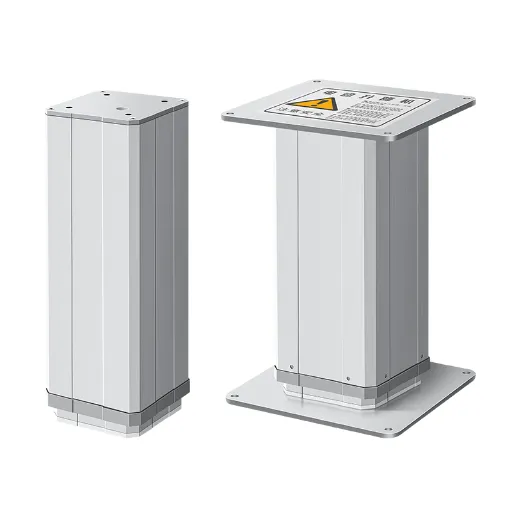
- Lead Screws (Self-Locking): Due to high internal friction, most lead screws cannot be “back-driven.” If you apply a vertical load to the nut, it will not rotate the screw. The screw holds its position without power. This is a critical safety feature for vertical lifting applications (e.g., lifting columns), as the load will not crash down if the power fails.
- Ball Screws (Back-driving): Because ball screws are so efficient, they offer almost no resistance to back-driving. A vertical load applied to the nut will cause the screw to spin, and the load will free-fall.
The Engineering Implication: If you select a ball screw for a vertical application, you must design an external braking system (usually a mechanical brake on the motor) to hold the load in place when power is cut. This adds complexity and cost to the system.
Noise and Maintenance: Operational Externalities
Beyond the core performance specs, the operational environment imposes its own constraints.
Noise Constraints:
Ball screws are metal on metal contacts with recirculating balls reversing within the nut. This creates a mechanical whirring or clattering sound at high speed.
Lead screws, especially those with polymer nuts, have sliding contact that suppresses vibration. They are inherently quieter. In the case of applications in noisy environments, e.g. medical wards, libraries, or luxury furniture, the acoustic profile of a ball screw can be unacceptable.
Maintenance Regimes:
Ball screws require grease. The steel balls will wear out the races and cause disastrous failure without a rigid lubrication schedule.
Lead screws, in particular, with self-lubricating polymer nuts, may be able to operate without any lubricants or with little maintenance throughout their service life. When equipment is required to be installed in places that are not easily accessible (e.g. inside a ceiling void or a sealed chassis) the install and forget quality of a lead screw becomes a major benefit of operation.
Application Scenarios: A Taxonomy of Use
Based on the variables above, we can categorize applications into distinct domains:
- The Domain of the Ball Screw:
- High Precision/High Speed: CNC Routers, Pick-and-Place Robots, Semiconductor Manufacturing.
- High Duty Cycle: Industrial assembly lines run 24/7.
- Heavy Dynamic Loads: Injection molding machines, Press brakes.
- The Domain of the Lead Screw:
- Vertical Lifting (Safety Critical): Z-axis of 3D printers, Laboratory jacks.
- Positional Adjustment (Low Duty): Adjustable desks, Hospital beds, Car seat adjustments.
- Cost/Noise Sensitive: Medical pumps, Residential automation.
From Components to Systems: The Case for Integrated Actuation
Up to this point, we have analyzed the ball screw (sometimes colloquially referred to as a ball crew) and the lead screw as discrete mechanical elements. However, integrating a raw screw requires designing end support, calculating the critical speed, and determining the coefficient of friction of the guidance system.
This is where Hoodland’s manufacturing model becomes critical. We incorporate guidance system elements and incorporate additional features directly into the actuator.
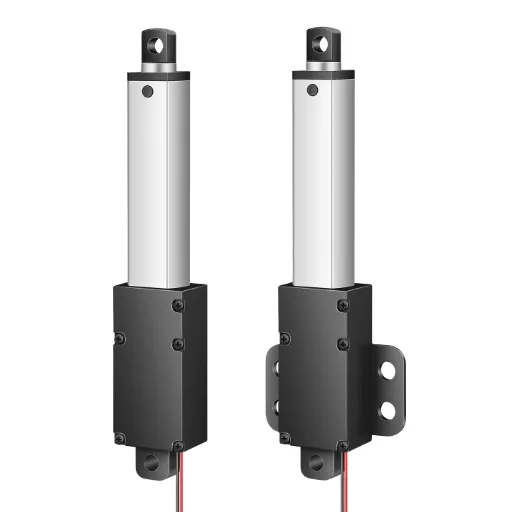
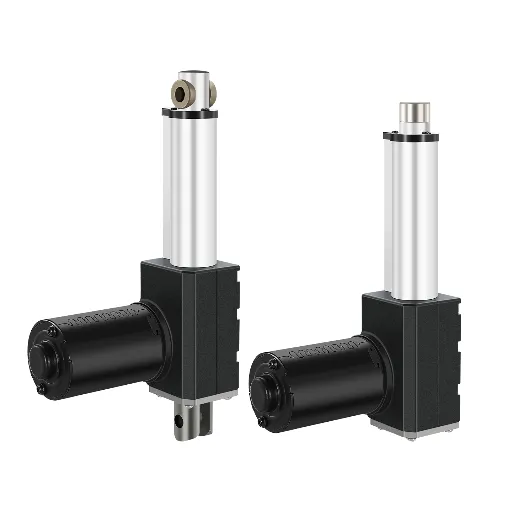
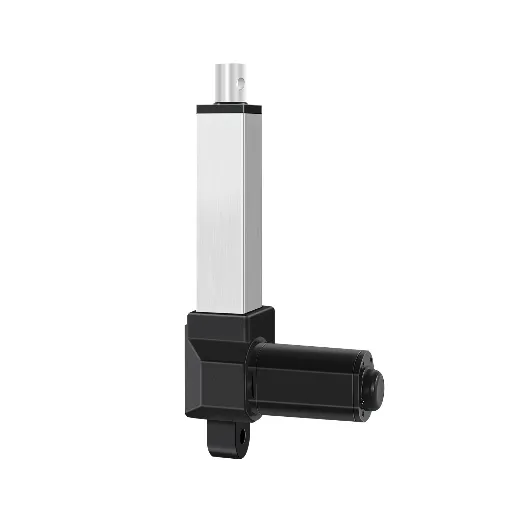
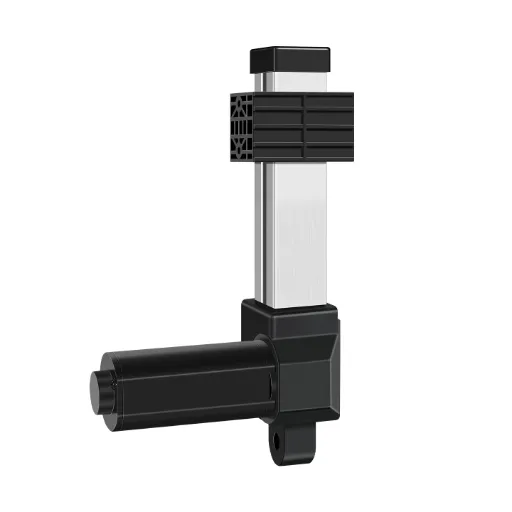
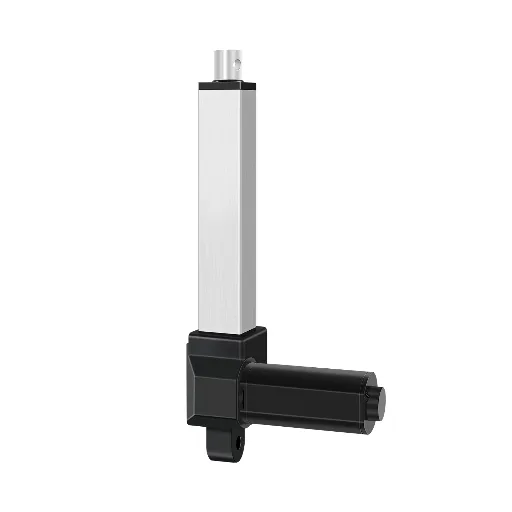
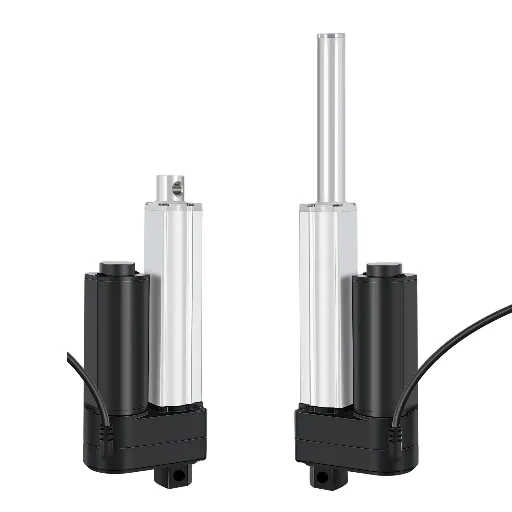
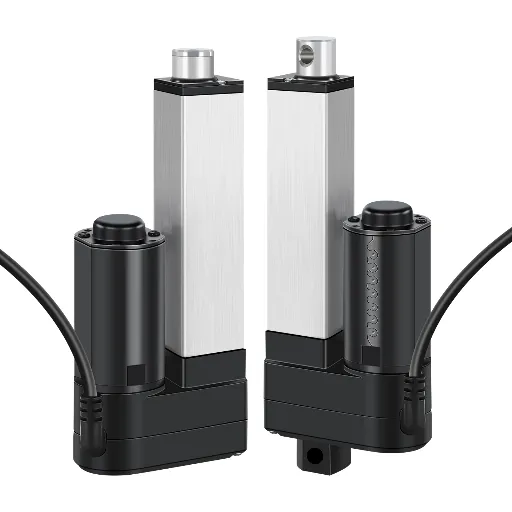
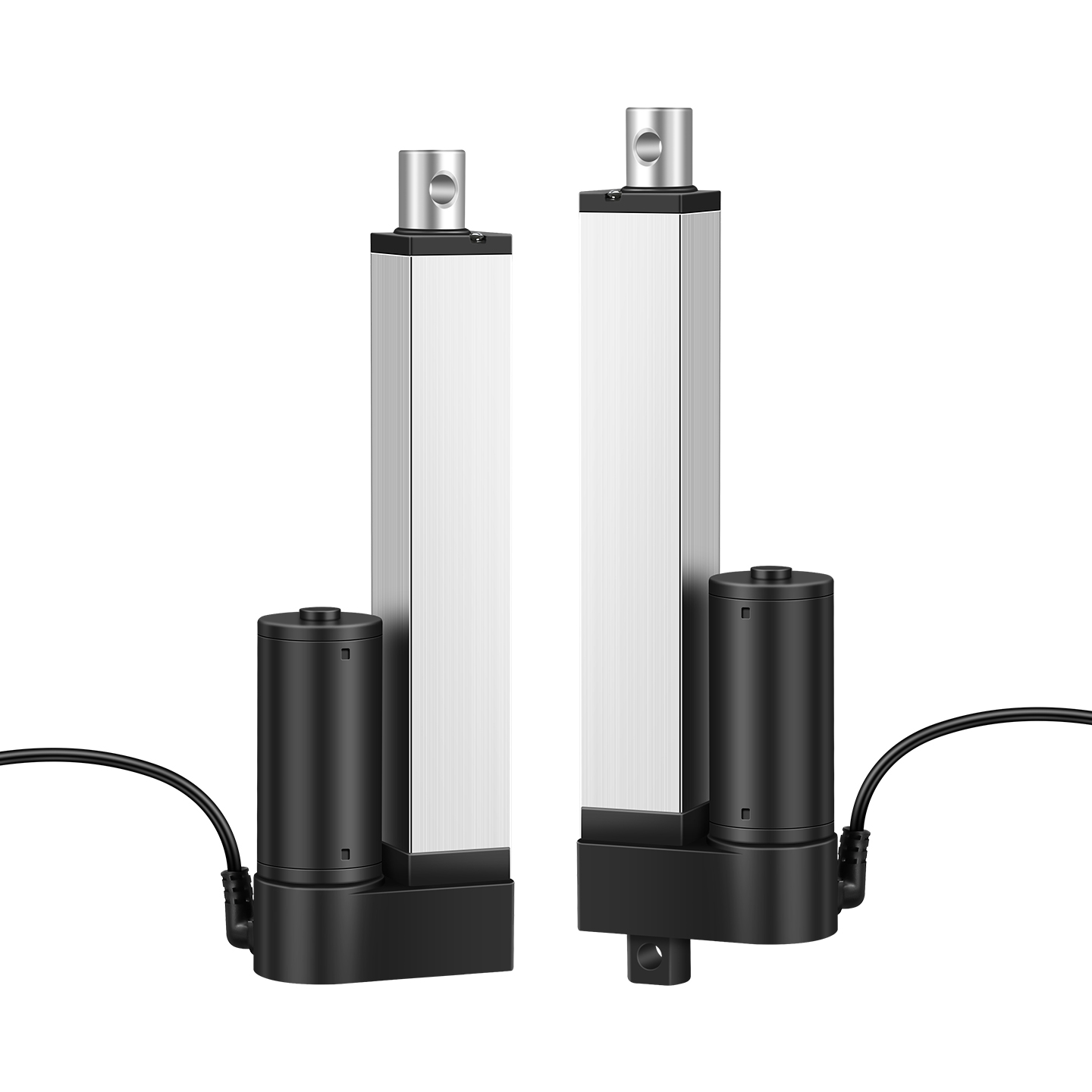
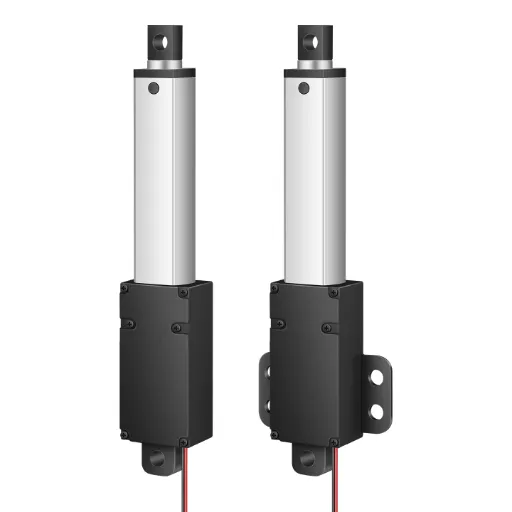
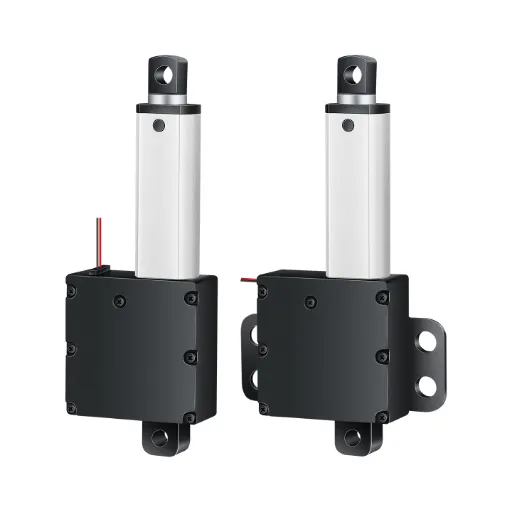
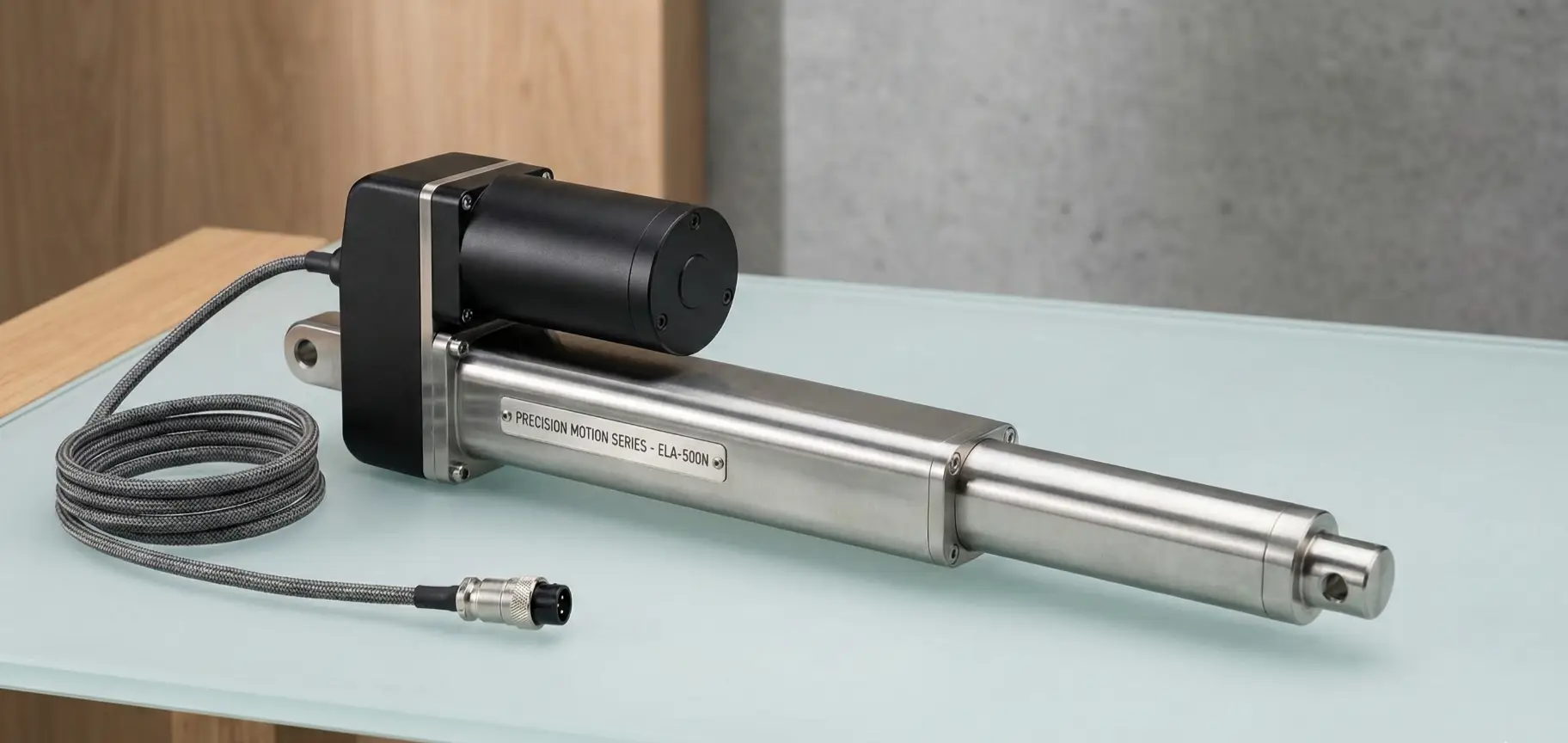
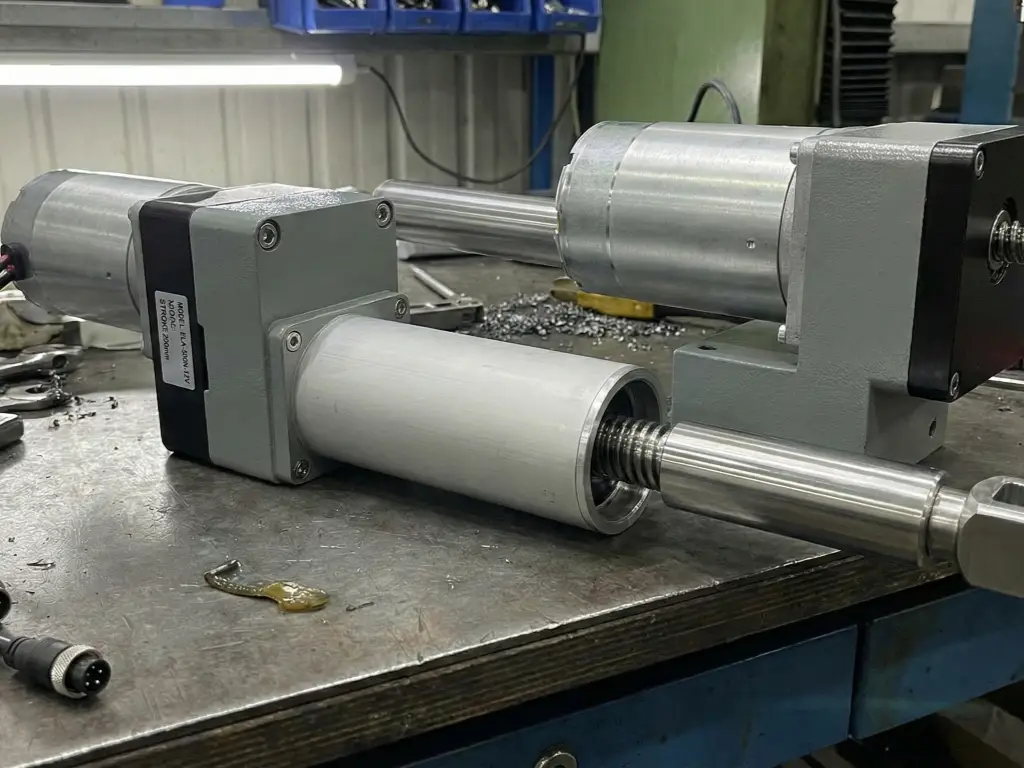
Hoodland is not a component distributor; we do not sell standalone ball screws or lead screws. Instead, Hoodland is a specialized manufacturer of Electric Linear Actuators. We utilize high-performance ball screw and lead screw technologies internally as the core transmission mechanism within our fully integrated, sealed, and motorized units.
By choosing an integrated actuator over raw components, you shift the engineering burden from your team to ours.
Optimization Strategy: The Hoodland Advantage
Since 1989, Hoodland has grown to be a precision mold-making plant to a leader in the linear actuation systems around the world. We will do it by capturing the physics of the screw in a “Plug-and-Play” solution. You need the power of a ball screw, or the noiseless self-locking of a lead screw, we bundle that technology into a complete product, which is ready to install.
1. The Whisper-Quiet Integration: Raw lead screws may be noisy unless they are combined with the right nut material and grease. Using our extensive experience in mold making, we produce custom gearboxes and housings that help to reduce vibration. We have the outcome of our IP Series Actuators, with a noise level of less than 50dB. This enables the manufacturers of medical devices to use the cost effective lead screw mechanism without compromising the acoustic comfort of the patient- something that is hard to do when the raw materials are assembled manually.
2. Designed Life and Testing: purchasing a raw screw life is a theoretical estimate. The lifespan is a tested parameter when purchasing a Hoodland actuator.
- 100% Aging Test: Each and every actuator unit is a 2-hour aged test prior to leaving our factory.
- Assured Protection: In comparison with a DIY screw assembly, our actuators are IP65/IP66ingress-protected and, in certain dangerous settings, Explosion-proof certified (Ex ib IIA T6 Gb). We put the variable quality of the screw and stabilize it into a 30,000+ cycle design life product.
3. Customization of the System Customization: Not Just the Screw Since we are in charge of the whole manufacturing process, including the internal screw winding, the external aluminum shell and the electronic controller, we can provide extensive customization.
- Need precise feedback? We integrate Hall Sensors directly onto the motor shaft.
- Need specific mounting? We machine the attachment points to fit your frame.
- Need heavy lifting? We deploy optimized ball screw mechanisms within our IP6000 Series to deliver 6000N of force, fully safely enclosed.
Decision Matrix (Cheat Sheet)
For the pragmatic engineer, the following matrix summarizes the selection logic:
| Metric | Ball Screw | Lead Screw |
| Primary Physics | Rolling Friction (Steel balls) | Sliding Friction (Surface contact) |
| Efficiency | High (90-98%) | Low to Medium (30-70%) |
| Duty Cycle | Continuous (100%) | Intermittent (Limited by heat) |
| Self-Locking | No (Requires Brake) | Yes (Generally Safe for Vertical) |
| Precision | High (Micron level) | Moderate |
| Noise Profile | Mechanical / Metallic | Quiet / Low Vibration |
| Cost Profile | High Capital Cost | Low Capital Cost |
| Maintenance | Strict Lubrication Required | Low / Maintenance-Free |
| Hoodland Solution | Recommended for high-speed industrial | Recommended for medical/home (IP Series) |
Conclusion
The choice of either a ball screw or a lead screw is not a battle of the best, but rather a practice of aligning the mechanical properties to the operational needs.
In case the goal is high velocity, high accuracy, continuous operation automation, the physics of the ball screw are necessary. When the goal is to be cost-effective, silent and self-locking motion, the lead screw is the graceful engineering choice.
Nevertheless, the most effective way to get to a reliable motion is hardly to construct the transmission system itself.
Hoodland gives the completed solution. We do not provide the loose screws so that you can assemble them; we provide the Electric Linear Actuator- a completely built, tested and certified system which takes advantage of the best of the screw technologies.
Prepared to incorporate a full motion solution? Do you need the lifting power of our industrial actuators or the quietness of our medical-grade ones, our engineering department is on hand. We have a philosophy of Fast, Not Rushed that makes sure that your system is defined right the first time.
Contact Hoodland today for a consultation on your linear motion requirements.

 English
  Chinese