
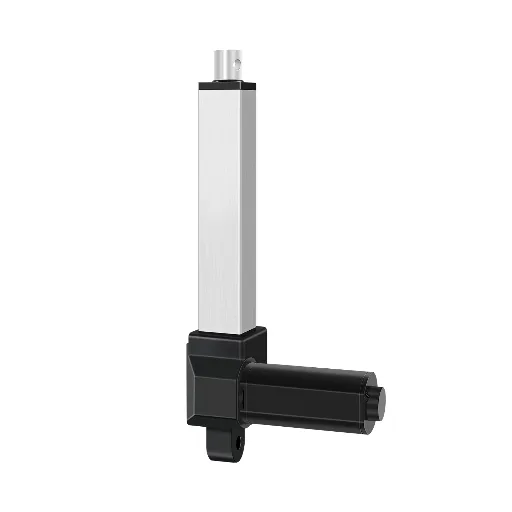
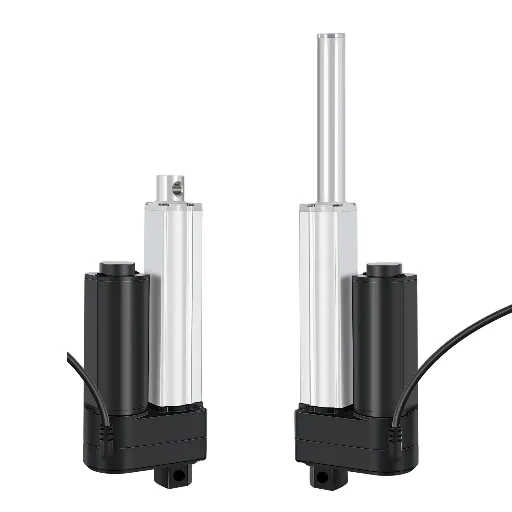
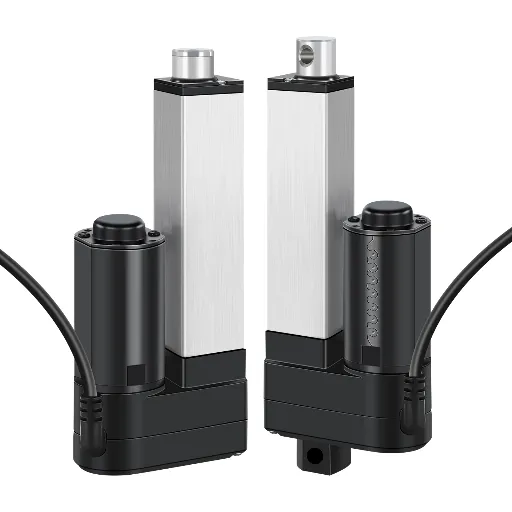
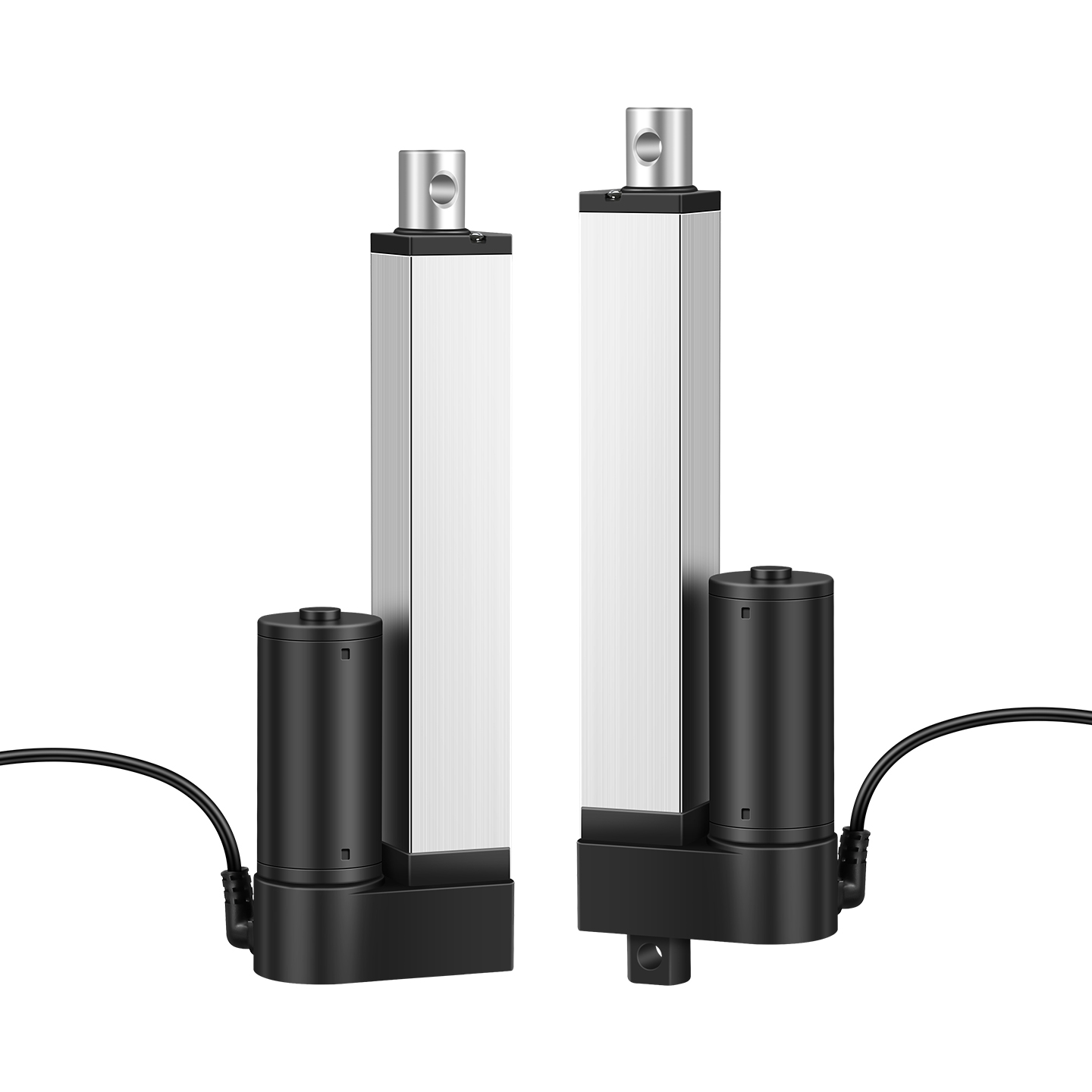
The world of industrial equipment procurement is a complicated environment. For engineers designing automated agricultural machinery, marine hatches, or outdoor solar trackers, choosing the right environmental protection rating is critical. In the realm of linear motion control and electromechanical systems, the discussion almost always reduces to the IP67 vs IP68 comparison.
At first glance, the difference between a “7” and an “8” might seem negligible—a minor technicality on a long datasheet. But when you are specifying an electric linear actuator—a device that physically extends and retracts, constantly altering its internal air volume—this single digit signifies entirely different engineering philosophies and survival possibilities. A common misinterpretation of these ratings leads to either under-specifying (causing catastrophic water damage and motor failure) or over-specifying (unnecessarily burning procurement budgets).
This comprehensive guide acts as your professional consulting tool to decipher the true meaning of IP67 and IP68 in motorized applications. We will strip away the marketing jargon, explore the hidden truths of manufacturer testing, delve into the physics of dynamic water pressure (including the notorious “actuator breathing effect”), and provide a clear framework for selecting the exact level of protection your motion project demands.
What Do IP67 and IP68 Actually Mean?
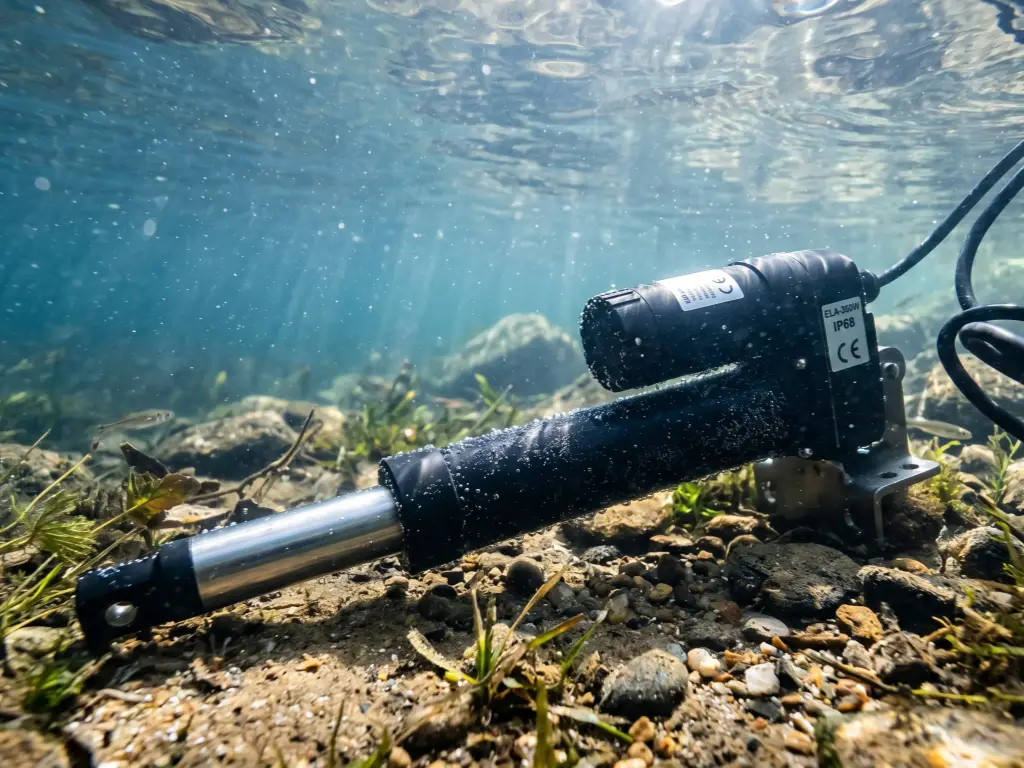
To make a sound engineering choice, we must examine the criteria underlying these ratings. The International Electrotechnical Commission (IEC) 60529 defines the IP (Ingress Protection) code. It categorizes the levels of protection an electrical enclosure offers against solid objects, dust, and water.
The first number in the sequence determines resistance to solid particles. In both IP67 and IP68, this first digit is a “6.” Within the IEC standard, a “6” means the maximum possible level of solid protection: Dust Tight. To obtain this, equipment is placed in a vacuum chamber where fine talcum powder is continuously circulated for up to eight hours. If no dust penetrates, it earns a “6.” Therefore, when comparing IP67 and IP68, the dust protection is identical. Both will perfectly protect internal motor windings and limit switches from blowing sand and manufacturing debris.
The actual battleground is the second digit, which represents the degree of protection against liquid ingress. The transition from a “7” to an “8” marks the leap from surviving temporary, shallow submersion to enduring prolonged, deeper underwater exposure.
IP67 vs IP68: The Core Differences Explained
These numbers represent highly specific laboratory testing conditions simulating real-world water exposure.
- IP67 Rating: Guarantees the equipment can withstand temporary water immersion. The IEC standard strictly dictates that an IP67 device must survive being submerged in up to 1 meter (about 3.3 feet) of water for exactly 30 minutes. If it works normally after this half-hour, it attains IP67 status. It is ideal for actuators facing heavy rain, accidental splashes, or temporary shallow pooling.
- IP68 Rating: Indicates resistance to continuous immersion in water under more extreme conditions. The baseline is that the testing depth must be greater than 1 meter, and the duration must exceed 30 minutes. This rating is engineered for equipment that is permanently submerged or faces severe fluid dynamics.
To provide scannable clarity, refer to the comparison table below, which also includes the specialized IP69K rating common in heavy industry:
| Feature / Specification | IP67 Rating | IP68 Rating | IP69K Rating (Bonus Context) |
| Water Depth Limit | Up to 1 meter (3.3 feet) | Greater than 1 meter (Manufacturer defined) | N/A (Focused on pressure, not depth) |
| Immersion Duration | Exactly 30 minutes | Continuous / Extended (Manufacturer defined) | Short duration washdown |
| Primary Defense | Temporary immersion, heavy rain, splashing | Prolonged submersion, deep-water application | High-pressure jets, high-temperature steam |
| Ideal Actuator Scenarios | Residential pergolas, automated windows | Marine hatches, heavy flood-zone automation | Agricultural washdowns, food processing |
(Note: IP69K does not necessarily mean a device can survive deep underwater like IP68; rather, it excels at deflecting violent, high-temperature, direct impacts of water.)
The Hidden Truth: How Manufacturers Define IP68
One of the most dangerous traps for a B2B procurement officer is assuming “IP68” represents a single, universal standard. The hard truth of IEC 60529 is that while IP67 has strict, non-negotiable test conditions, IP68 exists in a massive gray zone.
The standard merely states that IP68 must be “more severe” than IP67. The exact depth and duration of the IP68 test are completely defined by the manufacturer. A vendor may test an actuator at 1.1 meters for 31 minutes, while another tests theirs at 3 meters for 72 hours. Both legally print “IP68” on their datasheet, yet their actual survival capabilities are drastically different.
Never accept an IP68 badge at face value. You must ask your suppliers three mandatory questions:
- What is the exact testing depth? (Is it a conservative 1.5 meters, or a robust 5 meters?)
- What is the precise testing duration? (Did it sit in the tank for an hour, or a week?)
- What was the testing medium? (Laboratories use static, pure freshwater. Real applications rarely do.)
The “Breathing Effect”: Static vs Dynamic Pressure in Actuators
The most common misconception about waterproof ratings—and the reason so many outdoor actuators fail—is the inability to differentiate between Static and Dynamic water pressure.
When a manufacturer tests an enclosure for IP67, the device is gently lowered into a tank of calm, room-temperature laboratory water. This is Static Water Pressure.
However, electric linear actuators in the real world experience Dynamic Water Pressure, largely driven by a phenomenon unique to motion control: The Breathing Effect.
- Volumetric Changes: As an actuator’s inner tube extends and retracts, the internal volume of the cylinder changes. This physical movement creates alternating states of positive pressure and negative pressure (a vacuum) inside the housing.
- Thermal Shock: If an actuator has been working hard in the hot sun (heating the internal air) and is suddenly hit by a cold rainstorm or icy puddle, the air inside rapidly cools and contracts.
This thermal shock, combined with the mechanical retraction, creates a powerful vacuum. This vacuum will literally suck water right past a standard IP67 seal. This dynamic pressure easily overcomes the theoretical “1-meter static limit.” Therefore, for outdoor linear actuation, true IP68 protection—featuring reinforced sealing technology and pressure-equalization breathers—is often the minimum requirement to prevent water from being inhaled into the motor casing.
Extreme Actuator Applications: Agriculture and Marine Engineering
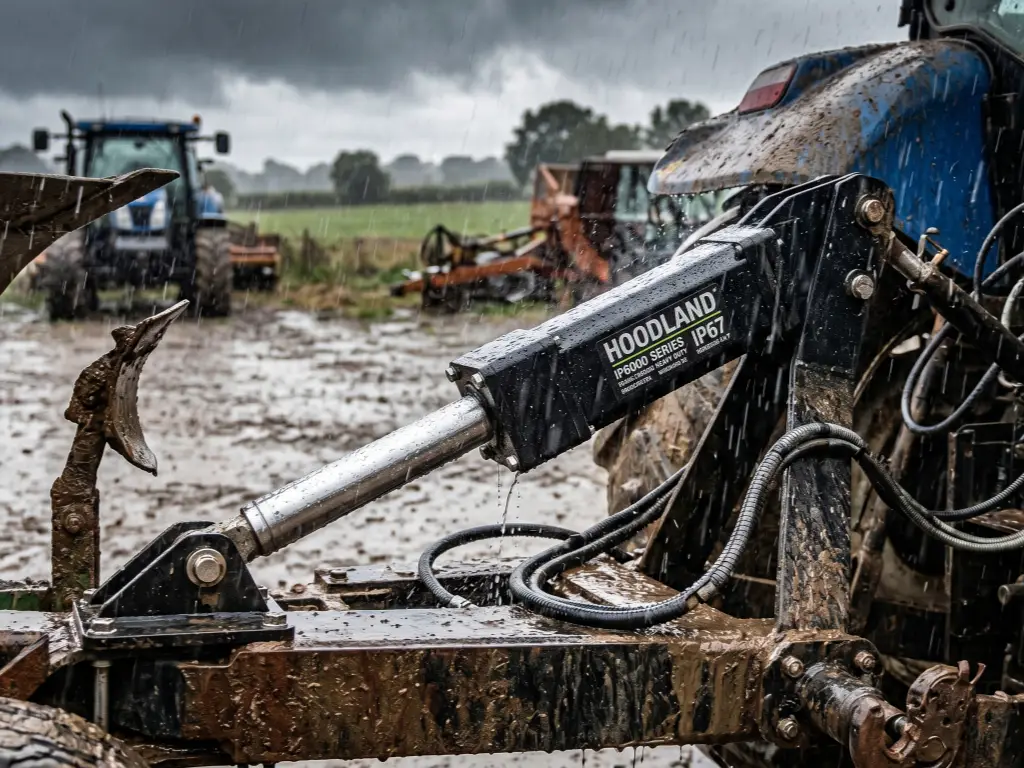
To further explain why IP ratings must be strictly scrutinized, consider industries where the environment actively attacks the equipment.
- Agricultural Machinery & Washdowns: Linear actuators used to adjust combine harvesters or heavy tractors are caked in corrosive mud and crop dust. More importantly, at the end of a shift, they are blasted with high-pressure water hoses. An IP67 actuator will fail under this dynamic blast. These environments demand IP68 or IP69K ratings to survive daily industrial sanitation.
- Marine Engineering & Hatch Actuation: Actuators controlling yacht engine hatches or automated dock ramps face unending environmental assaults. They endure heavy salt fog, tidal waves, and constant moisture. Saltwater exacerbates capillary action, deeply penetrating weak seals and corroding internal electronics. Standard IP67 is vastly insufficient here; rigorously tested IP68 is mandatory.
Do Waterproof IP Ratings Degrade Over Time?
A critical aspect often overlooked in B2B engineering is that an IP rating is not a lifetime warranty. Mechanical engineering faces the harsh reality of material degradation. An actuator that proudly passes an IP68 test on day one may not provide IP68 protection three years later.
Waterproof integrity depends entirely on the physical characteristics of sealing materials: rubber O-rings, wiper seals, and silicone gaskets.
- UV and Ozone Exposure: Prolonged outdoor exposure dries out and cracks rubber compounds.
- Thermal Cycling: Daily expansion in the heat and contraction at night causes micro-movements. Over thousands of cycles, silicone loses its elasticity, taking on a permanent “compression set.” Once a gasket loses its ability to push back against the aluminum housing, microscopic gaps form.
When calculating the Total Cost of Ownership (TCO), engineers must account for environmental shielding and gasket lifecycles.
From Motors to Motion: The Hoodland Actuation Solution
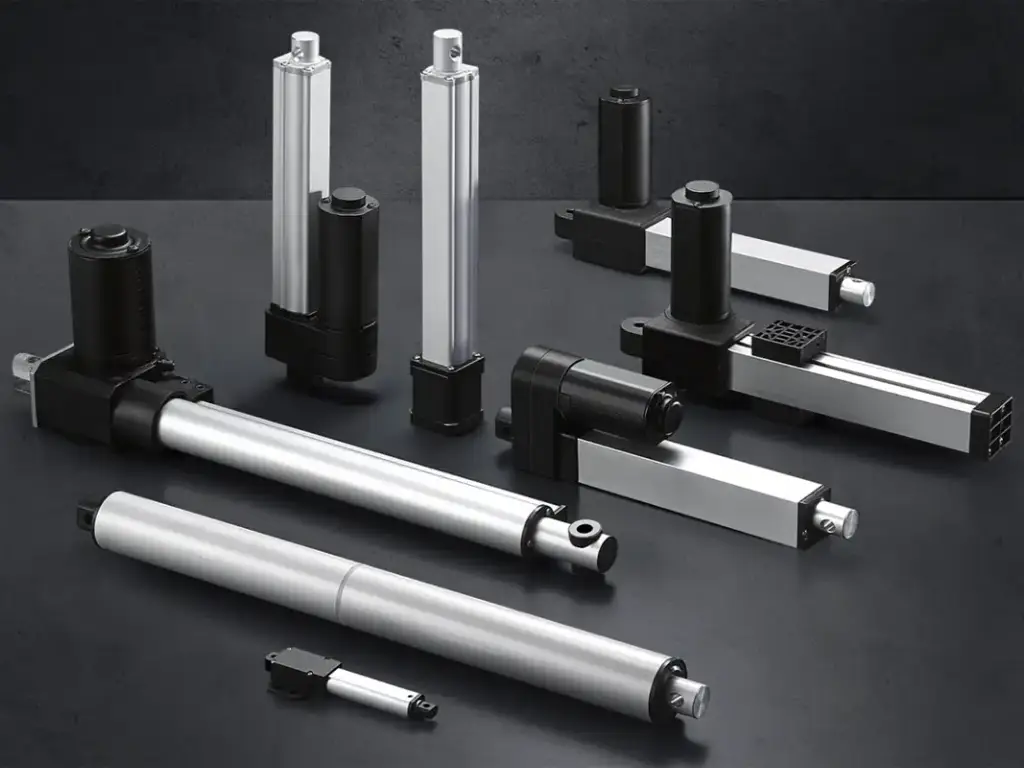
Theoretical principles of IP ratings are only as good as the manufacturing tolerances that execute them. In high-stakes environments, partnering with a manufacturer possessing deep engineering heritage is invaluable.
Since its inception as a precision mold manufacturing workshop in 1989, Hoodland has evolved into a premier global power transmission solution provider. Because we operate our own internal mold and machining workshops, we do not simply distribute off-the-shelf parts; we engineer deeply customized, tightly sealed linear motion systems.
The Hoodland Environmental Advantage:
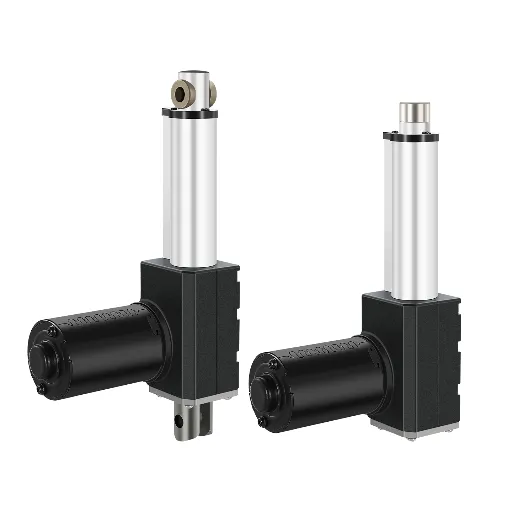
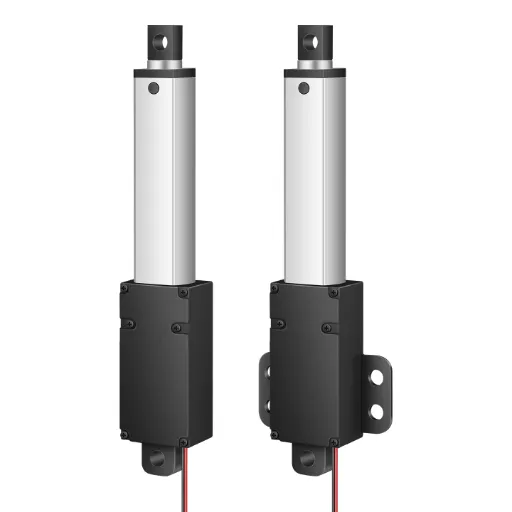
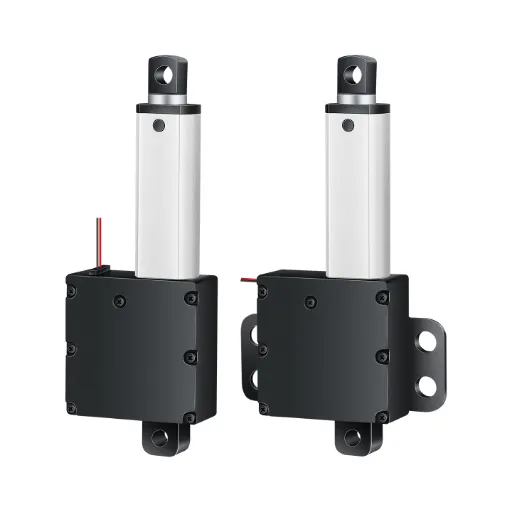
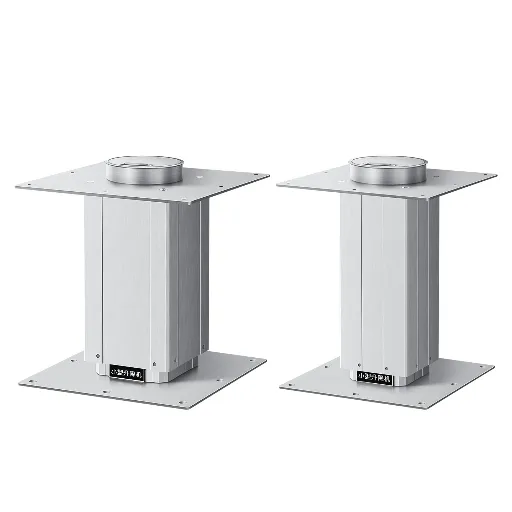
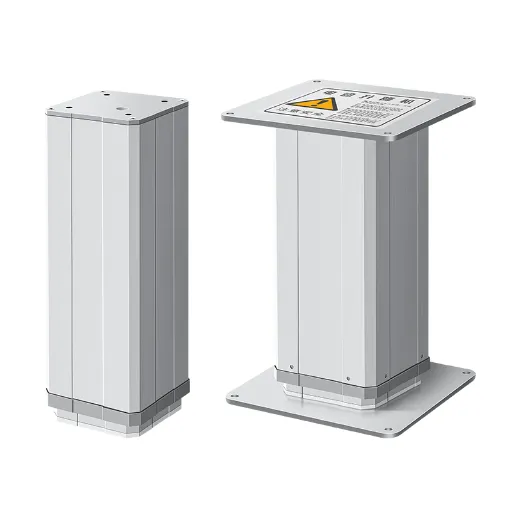
- Extreme Load Versatility (IP6000 Series): For heavy-duty industrial applications requiring massive force, our IP6000 series delivers up to 6000N of thrust alongside robust IP68-capable weatherproofing to combat the “breathing effect.”
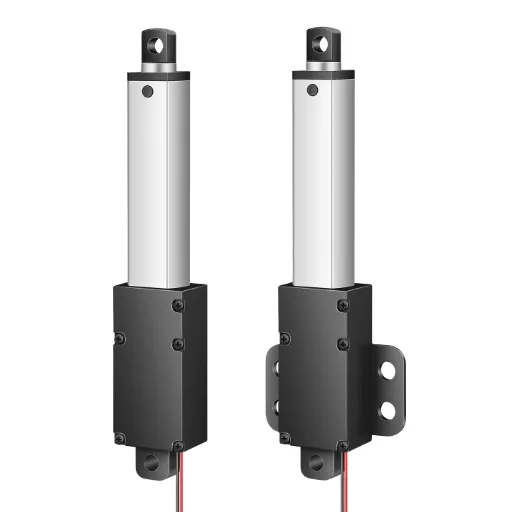
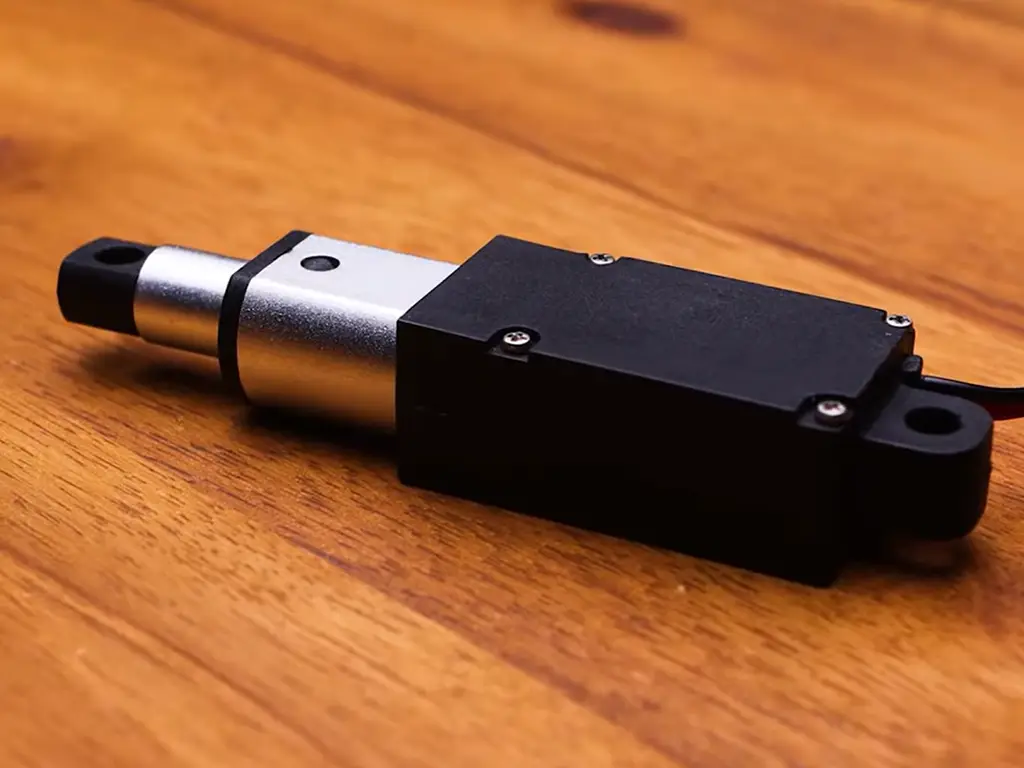
- Micro Precision (IP70 Series): For space-constrained environments, the IP70 series provides flawlessly sealed actuation in a highly compact footprint.
- Whisper-Quiet Operation (<50dB): Hoodland brings industrial reliability to noise-sensitive environments. Decades of mold-making expertise result in perfect gear meshing, keeping operating noise below 50dB. This allows our IP-rated durability to be deployed safely in medical beds or high-end smart home furniture without disruptive mechanical grinding.
- Guaranteed & Certified Quality: We do not just claim IP ratings; we validate them. Every Hoodland actuator is designed for a 30,000-cycle lifespan and undergoes a mandatory 100% 2-hour aging test before leaving our 4,901-square-meter facility. Supported by ISO 9001, CE, and RoHS certifications, we also offer specialized Ex ib IIA T6 Gb explosion-proof certifications for the volatile chemical and mining industries.
Decision Tree: Choosing the Right Protection Level
To translate this technical theory into a practical procurement tool, run your next linear actuator application through this simplified decision tree:
- Scenario A: Occasional Exposure. Will the actuator primarily face outdoor rain, occasional splashes, or brief pooling that drains quickly?
- Decision: IP67 is entirely sufficient and highly cost-effective. (Recommended: Hoodland IP3000 Series)
- Scenario B: Submersion & The “Breathing Effect.” Will the actuator be installed in a flood-prone trench? Does it face rapid temperature drops while operating (creating vacuum suction on the seals)?
- Decision: You require IP68. (Recommended: Hoodland IP6000 Heavy-Duty Series)
- Scenario C: Extreme Cleaning & Hazardous Areas. Will the equipment face high-pressure steam cleaning, or operate in environments with flammable gases/dust?
- Decision: You must seek out IP69K or specialized Ex certifications. (Recommended: Hoodland Ex-certified Actuators)
Conclusion: Balancing Procurement Costs and Reliability
Engineering and procurement must align on a core business reality: the maximum IP rating is not automatically the “best” one. Over-specification is a silent killer of B2B budgets.
Insisting on a custom IP68 actuator for a smart home window opener that only sees occasional drizzle is tantamount to paying a massive premium for deep-sea sealing technology that will never yield an ROI. Furthermore, tighter seals can occasionally complicate thermal management for high-duty-cycle motors.
The most professional approach is “Fit for Purpose.” Analyze the specific environmental threats, account for the dynamic pressure of the actuator’s breathing effect, and consult directly with authoritative manufacturers.
Make sure your next motion control project is truly resistant to the elements. Contact the Hoodland engineering team today for a free consultation on stroke configurations, load calculations, and the precise IP rating required to guarantee your system’s survival in the field.
 English
  Chinese