
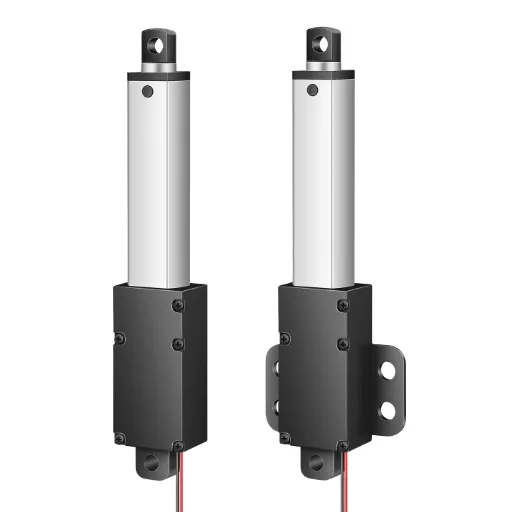
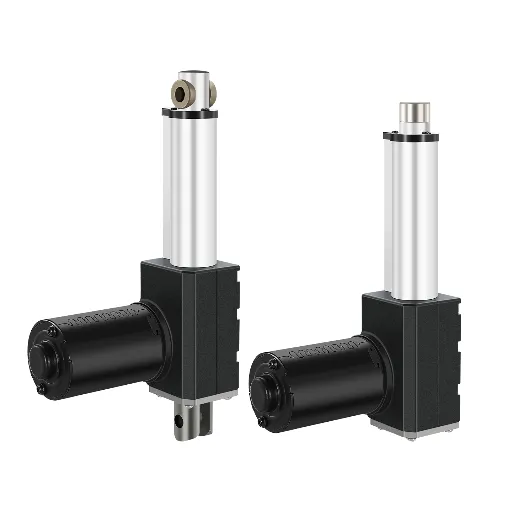
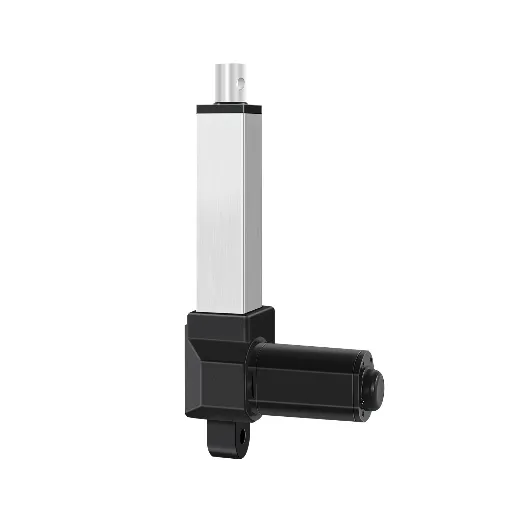
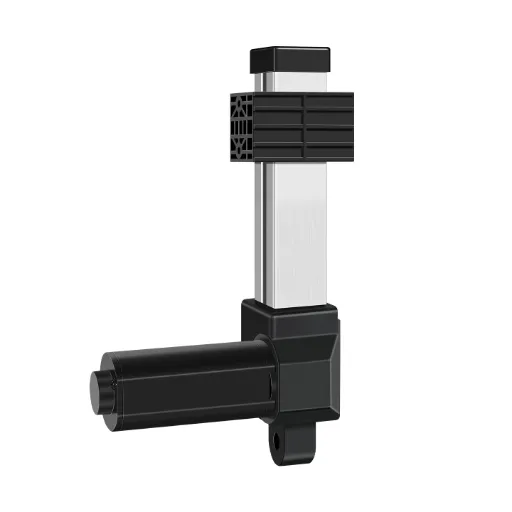
How Does a Linear Actuator Work? A Complete Engineering Guide
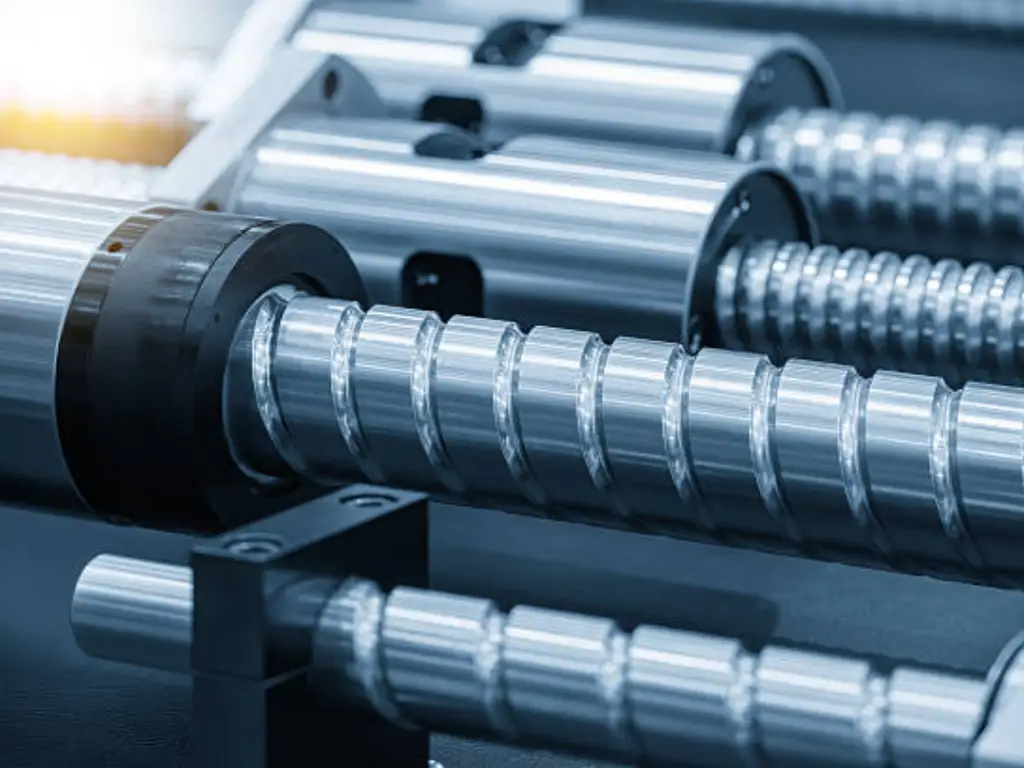
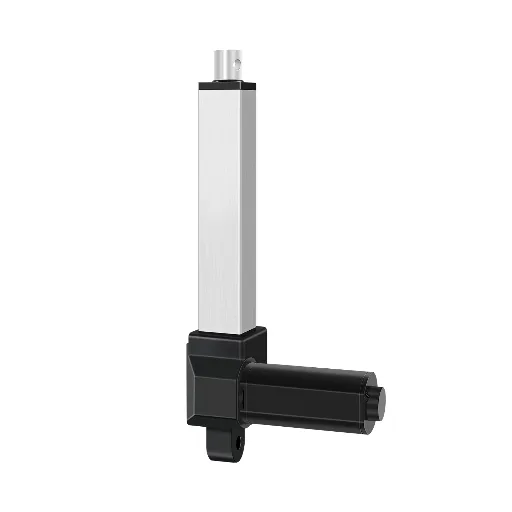
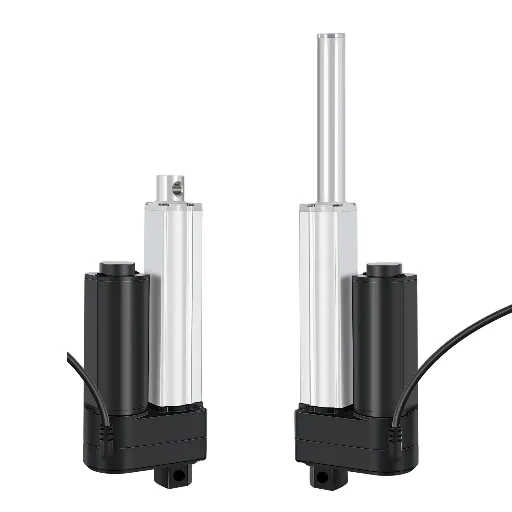
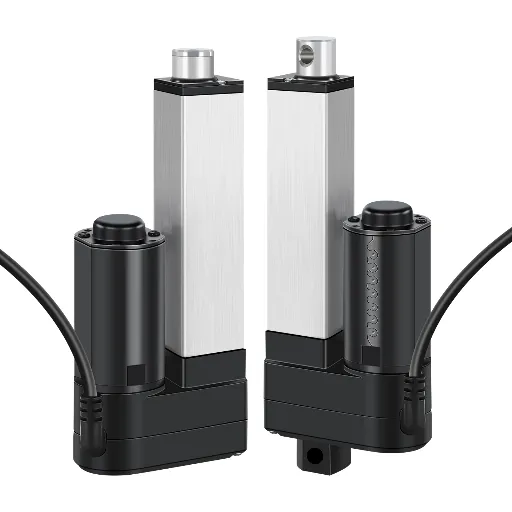
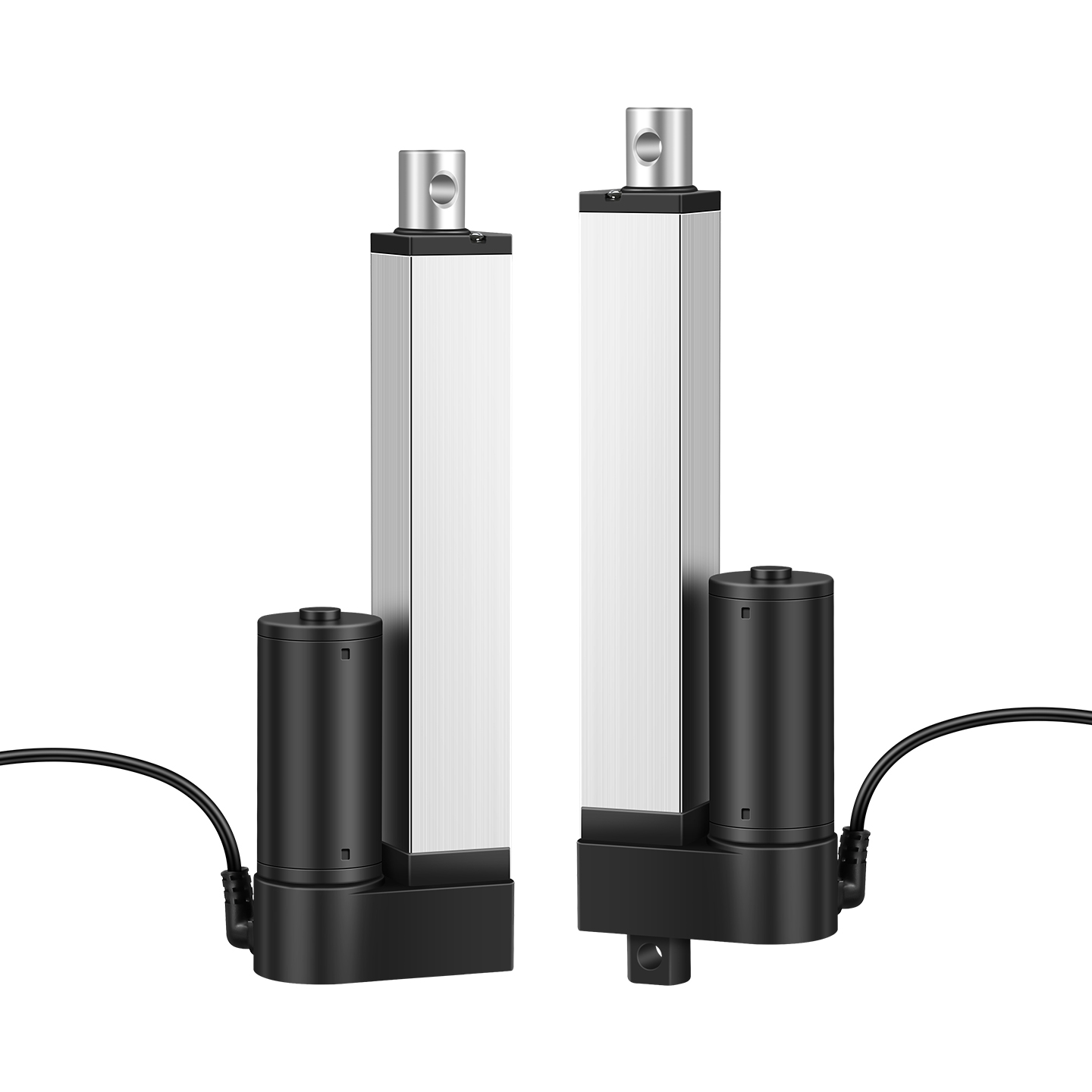
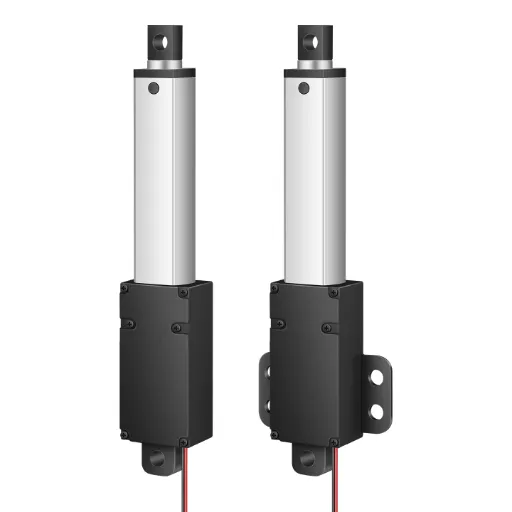
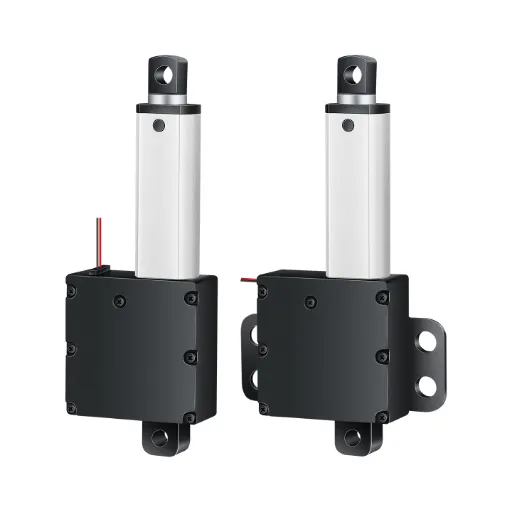
Controlled motion is the key component of advanced machinery in the fast-changing environment of modern industrial automation, robotics, and intelligent infrastructure. However, creating accurate, repeatable and strong movement is a complicated engineering problem. If you have ever wondered how a massive hospital bed smoothly adjusts its height with a whisper, how a robotic arm perfectly positions a heavy payload, or how an entire matrix of solar panels flawlessly tracks the sun across the sky, the answer almost universally involves a linear actuator.
Dynamic Load vs Static Load: Linear Actuator Selection Guide

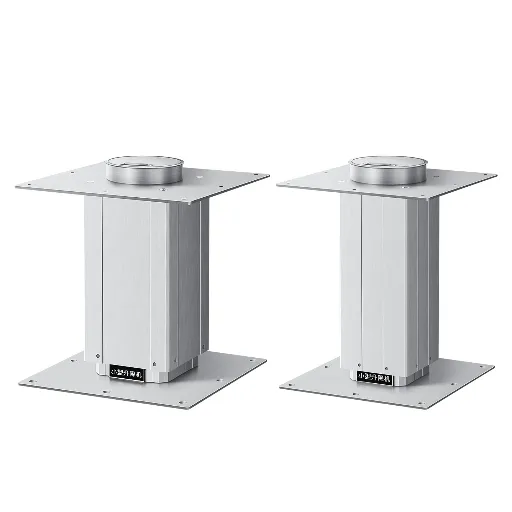
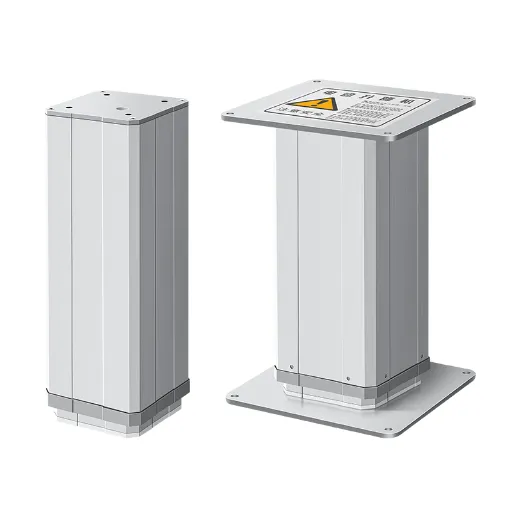
In the design of a mechanical system, the choice of the appropriate linear actuator is a very important choice that determines the reliability, safety, and durability of the whole machine. It does not matter whether you are developing solar tracking arrays, heavy-duty packaging equipment, or high-precision medical equipment, the forces that are going to act on your parts need to be carefully calculated. The load ratings are among the most important parameters that should be known.
 English
  Chinese