
From Gaming Controllers to Industrial Actuators
Hall effect is a term that has dominated the recent discussions in the event that you follow consumer electronics. The popularity of the hall effect joystick as a gaming upgrade has been driven by the universal discontent with “stick drift” in PlayStation, Xbox, and Nintendo Switch controllers, which gamers in consumer environments are fed up with due to their unreliable hardware. Nevertheless, this sensor technology controversy goes way beyond the gaming peripheral world.
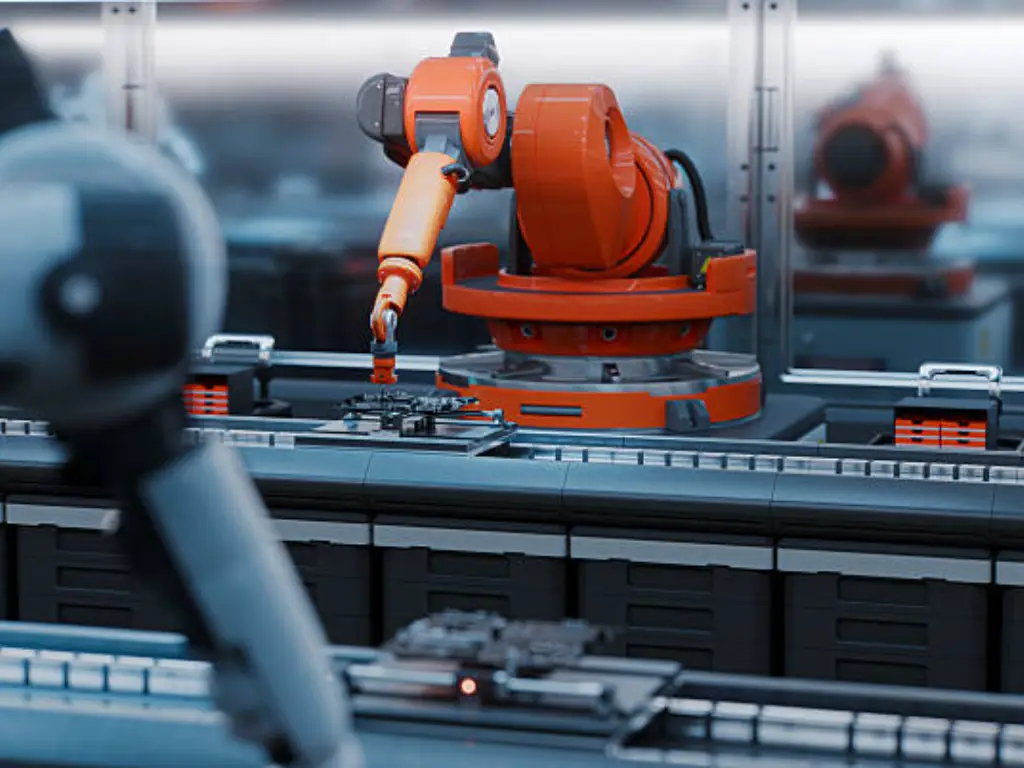
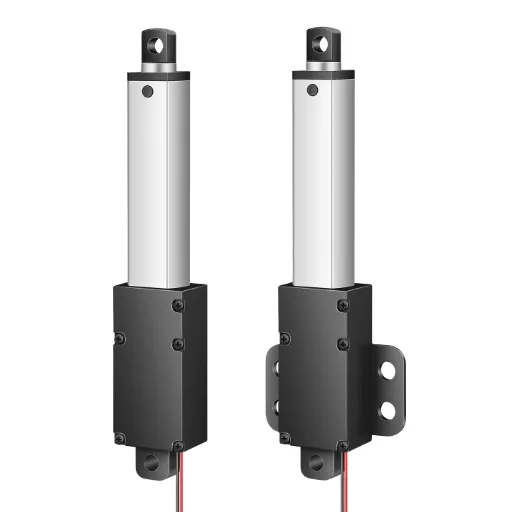
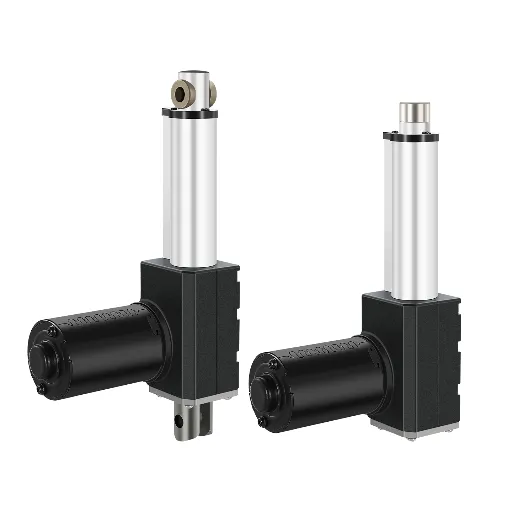
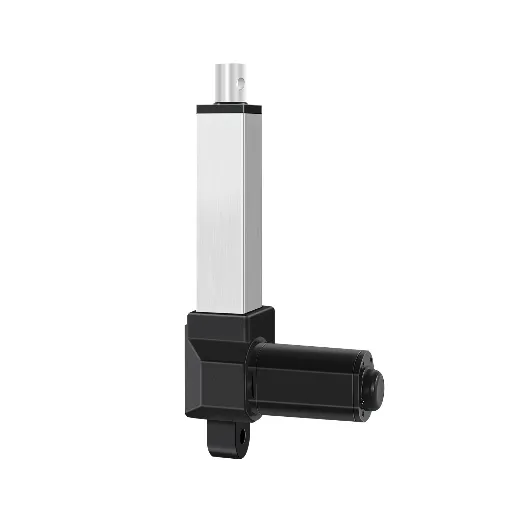
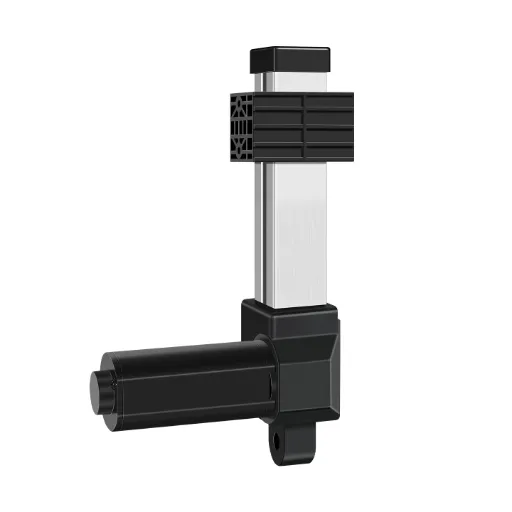
Whether you are evaluating a standard potentiometer joystick or advanced magnetic alternatives, the stakes of the decision between the “Hall Effect and Potentiometer” are much higher in the industrial and automation industry. The landscape of industrial joysticks and heavy machinery relies heavily on these feedback systems. In advanced joystick applications and when dealing with linear actuators—the mechanical muscles driving equipment—a failing sensor does not just result in a missed target on a screen. It can jeopardize the safety of patients in a medical bed. It causes tremendous energy waste in a solar tracking system. In industrial automation, signal failure causes production downtime. It is important to know the exact differences between these two sensing technologies in order to design strong and durable motion control systems that guarantee long-lasting operational performance.
Understanding Position Feedback in Linear Actuators
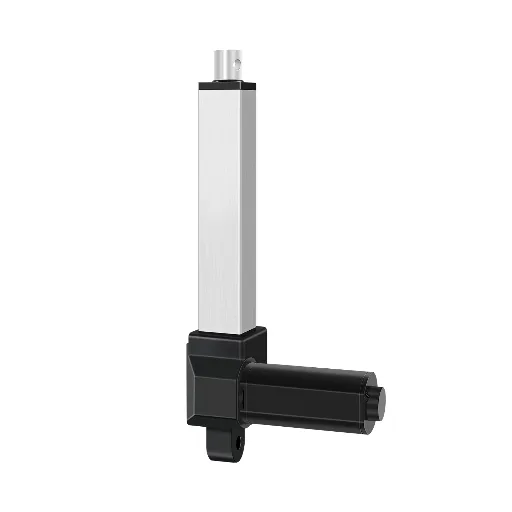
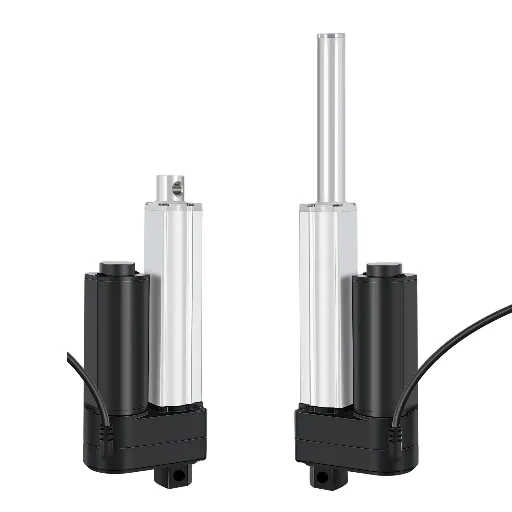
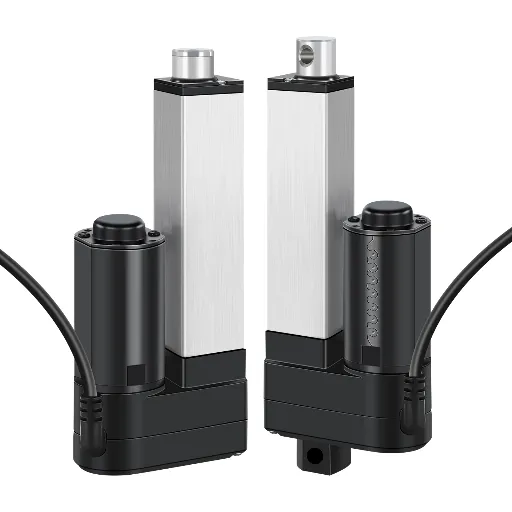
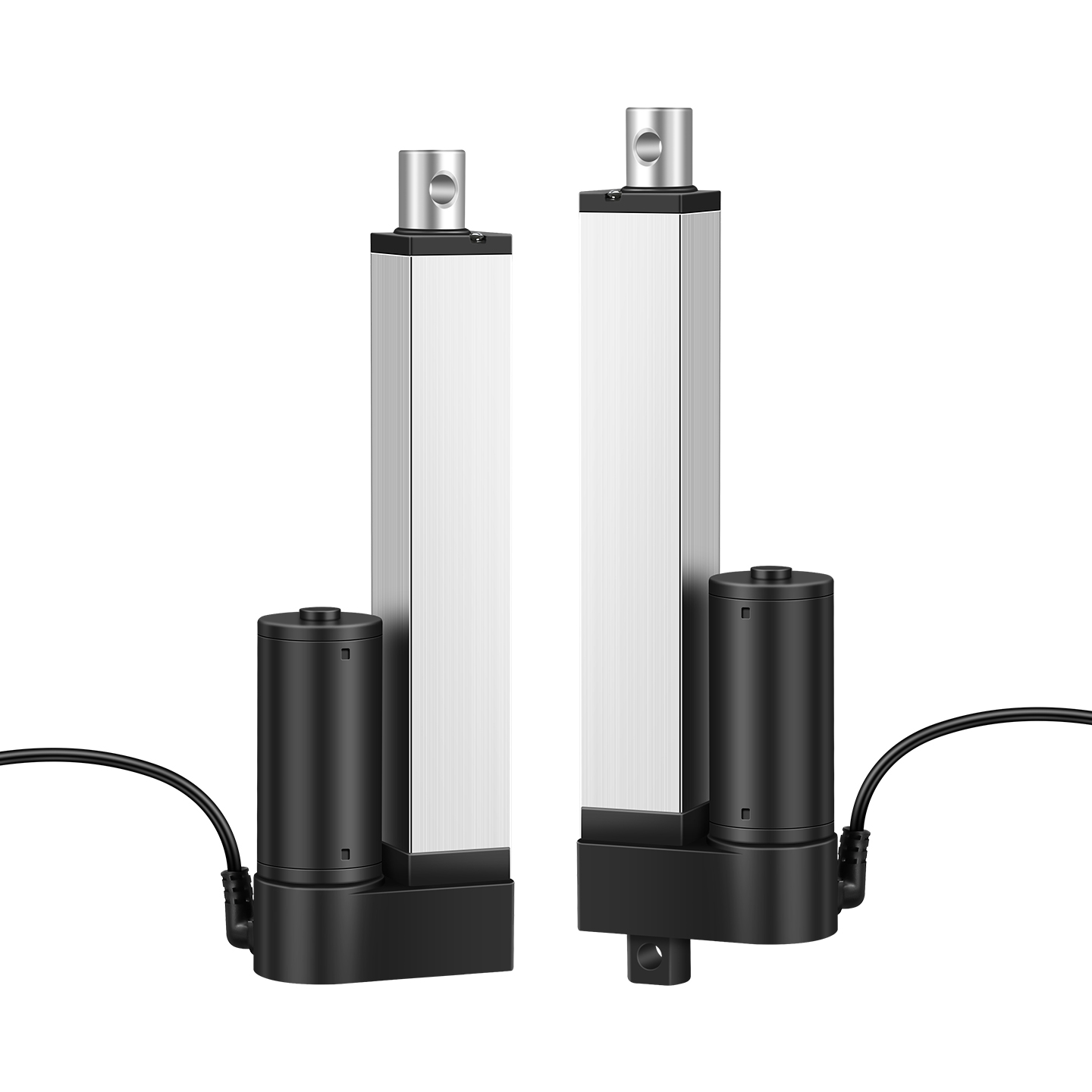
A standard linear actuator operates blindly. You apply power, and the rod extends; you reverse the polarity, and it retracts. While this is sufficient for simple open-loop applications, modern automation requires precision. The system requires a “brain” to be aware of the distance the rod has traveled at a specific millisecond.
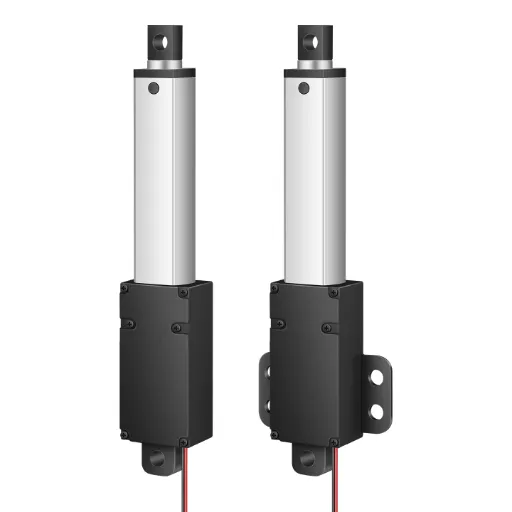
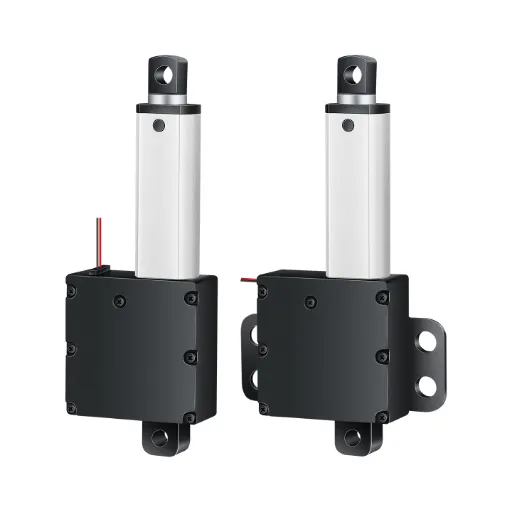
This is where position feedback comes into play. By integrating sensors into the actuator, the system can achieve closed-loop control. These position sensors play a crucial role, allowing some sophisticated features like the ability to coordinate several actuators to move a heavy object in a balanced manner, to program specific memory positions of ergonomic desks, or to control sophisticated robotic movements. In order to obtain this precise position feedback, the industry has been using two well-known technologies, namely potentiometers and Hall effect sensors.
How Potentiometers Work: Contact-Based Resistance Sensing

The potentiometer, essentially acting as a variable resistor often recognized for its everyday use in volume control, is a foundational electronic component that has been used for decades. It operates on a straightforward, physical, contact-based principle. Inside an electric potentiometer equipped linear actuator, there is a resistive element (often made of carbon, cermet, or occasionally incorporating conductive plastic potentiometers for specialized setups) and a conductive metal wiper.
Among the various types of potentiometers available, linear actuators typically utilize a linear taper to ensure that the resistance value scales evenly and proportionally with distance. Alternatively, wire wound configurations exist for scenarios requiring higher current handling. As the actuator’s stroke extends or retracts, the wiper forms a physical sliding contact moving along this resistive track. This mechanical movement directly alters the level of resistance, providing variable resistance relative to a constant input voltage. By functioning as a voltage divider, the potentiometer modifies the output voltage, giving a predictable electrical output that corresponds directly to the physical position of the actuator rod.
The primary technical advantage of a potentiometer is its absolute positioning capability. Since the wiper is physically seated on a particular point on the track, the actuator will “remember” the exact position of the wiper even when the system is offline. Upon restoration of power, the analog voltage instantly shows the correct position without the actuator having to retract to a “zero” or “home” position.
How Hall Effect Sensors Work: Magnetic Non-Contact Sensing
Hall effect technology uses a completely different, non-contact method of position sensing. This technology is named after the discoverer of the effect, physicist Edwin Hall, who found it in 1879, and which uses magnetic fields instead of physical friction.
A magnetic ring, often utilizing strong ferromagnetic material, is usually connected to the rotating motor shaft or affixed to the end of the shaft within the internal gearbox in a Hall effect linear actuator. The hall effect chip itself is mounted on a stationary circuit board nearby. This magnetic system is passed by the magnetic poles as the motor rotates to move the lead screw. The sensor detects these fluctuations in the magnetic field and generates an electrical pulse for every rotation or partial rotation.
The main characteristic of this technology is that there is no physical contact between the measuring elements. The sensor reads the magnetic field through a small air gap. Because there is no mechanical wiper scraping against a track, there is zero physical wear on the sensing components themselves, regardless of how many times the actuator cycles back and forth.
Head-to-Head: Lifespan, Accuracy, and Signal Drift
In comparing these sensors to long-term use, their behavior in millions of working cycles is very different.
| Feature/Metric | Potentiometer | Hall Effect Sensor |
| Sensing Method | Physical Contact (Wiper & Track) | Non-Contact (Magnetic Field) |
| Lifespan | Limited (Wear and tear over time) | Virtually Infinite (No physical wear) |
| Signal Output | Analog Voltage (Absolute) | Digital Pulses (Relative) |
| Power Loss Recovery | Remembers absolute position instantly | Requires returning to a “home” position |
| Signal Drift/Spiking | High risk as carbon track degrades | Zero risk of friction-induced spiking |
The most critical pain point in potentiometer-based systems is signal spiking and drift. The resistive material is worn off over time due to the friction between the wiper and the track. This leads to the degradation of the element and the eventual wear of the internal electrical element, creating microscopic debris and uneven surfaces. When the wiper hits these worn spots, the electrical resistance fluctuates wildly, causing “spikes” in the voltage output. The control system or connected data acquisition units interpret these spikes as rapid, erratic movements, leading to inaccurate actuator positioning or system errors.
The merits of hall effect sensing become undeniably clear here: this failure mode is completely removed. Because the magnetic field does not degrade from movement, a Hall sensor will output the exact same clean, consistent digital pulse on its millionth cycle as it did on its first.
Environmental Durability: Vibration, Dust, and Temperature Limits
Although the fundamental principles of sensing determine lifespan, the immediate survival is usually determined by the operating environment.

In harsh industrial environments, potentiometers are prone to contamination. When microscopic dust, dirt or moisture gets into the actuator housing and deposits on the resistive track, it interferes with the electrical contact of the wiper. This leads to immediate signal failure or severe jitter. On the other hand, Hall effect sensors are totally resistant to dust, dirt and moisture. They are very resistant to dirty environments because they are able to read magnetic fields accurately through non-ferrous barriers.
However, Hall sensors have their own limitations. They have a minor susceptibility to extreme changes in temperature that can cause changes in the magnetic properties of the target magnet causing slight calibration drift. Moreover, they are vulnerable to electromagnetic interference from external magnetic fields of high strength.
More to the point, engineers have to consider mechanical backlash. A Hall sensor will not wear out, but when exposed to excessive vibration and greater pressure on the load, the physical gears and lead screw within the actuator will wear out over time. This wear creates mechanical “play” or backlash, eventually acting as a limiting factor to absolute accuracy. The sensor may be able to measure the rotation of the motor correctly, but with internal gear wear, the real extension of the rod may have a millimeter of deadzone.
The Enclosure is as Critical as the Sensor
Whether you choose a potentiometer or a Hall effect sensor, the internal electronics will not last long unless the mechanical construction of the actuator is of a very high standard. A machine that is used for a specific application like heavy-duty mining trucks, solar trackers, or in an open agricultural field needs a physical protection that is not compromised.
This is exactly where Hoodland bridges the gap between sensor theory and industrial reality. With more than 30 years of experience in precision mold manufacturing, Hoodland engineers heavy-duty linear actuators and robust industrial joysticks that are used to safeguard internal feedback systems in the most extreme conditions.
Hoodland ensures reliability in your project by guaranteeing that whether your project needs the absolute positioning of a potentiometer or the high-cycle life of a Hall effect system, the build quality is paramount. Assisted by in-house design specialists, they can accommodate almost any custom size requirement to fit complex machinery perfectly. Every single actuator undergoes a strict 2-hour aging test before leaving the facility, ensuring zero out-of-box failures. For demanding setups—like those needing an integrated industrial electric joystick or an actuator built for great performance and a full range of functions—Hoodland offers industrial-grade IP65 and IP66 ingress protection, completely sealing the sensors from water and dust.
In addition to regular enclosures, the technical background of Hoodland is demonstrated by extensive certifications, such as ISO 9001, CE, and RoHS. In very specialized, dangerous settings, Hoodland goes as far as to offer the Ex Explosion-proof certification (Ex ib IIA T6 Gb) – a statement of excellent sealing and safe electrical design. Furthermore, by utilizing custom quiet motors and precision gear meshing, Hoodland achieves whisper-quiet operation (<50dB), delivering industrial-grade 30,000-cycle durability in a form factor suitable for noise-sensitive medical and high-end residential applications. If a standard model does not fit, their deep customization capabilities allow for exact modifications to stroke, speed, and mounting dimensions to accommodate your specific sensor integration needs.
Cost Analysis: Immediate Savings vs. Long-Term Maintenance
In the implementation of a project budget, the financial disparity between the two technologies is evident in both direct and indirect costs.
Potentiometer linear actuators are the best solution, often serving as the ideal option, because they are the most cost-effective and can be used in situations where the budget is very tight. They can be produced more easily by means of a mechanical process and are very easy to incorporate. A potentiometer usually only requires three wires (power, ground, and analog signal). Simple microcontrollers or even most basic Programmable Logic Controllers (PLCs) are capable of reading an analog voltage directly without complex code, and the system is therefore “plug-and-play.”
Linear actuators of the Hall effect are more costly in their unit price. In addition, they are more difficult to compute together. Hall sensors operate at low power but require a stable power supply (typically 5VDC) and output high-speed digital pulses. The control system requires a microcontroller capable of hardware-level interrupt processing to accurately count these high-frequency pulses without missing any data. The initial hardware and development cost is higher but the payback period is realized through saving on long term maintenance. In high volume production lines, replacement of worn out potentiometer actuators results in a huge loss of productivity and is far more costly in machine downtime than the initial premium charged on Hall effect longevity.
The New Challenger: Will TMR Sensors Replace Both?
As the motion control technology advances, engineers are beginning to look at other options to the conventional Hall effect systems. Although the electric joysticks and traditional actuators are still based on legacy parts, Tunnel Magnetoresistance (TMR) is becoming a strong competitor in high-end sensing systems.
TMR sensors operate on quantum mechanical principles, detecting magnetic fields with exponentially greater sensitivity than standard Hall effect sensors. They consume a lot less power and provide a lot higher signal-to-noise ratio. Even though TMR technology is currently more expensive and is primarily applied in high-technology automotive and aerospace systems, the future of the technology is the development of ultra-precise, zero-maintenance actuator feedback.
Final Verdict: Which Technology Fits Your Application Best?
The decision on the appropriate position feedback technology is an engineering decision that is based on how it is utilized in specific industrial applications, your budgetary limit, and the environmental consideration.
Choose a Potentiometer-Equipped Linear Actuator if:
- Absolute positioning is mandatory: You cannot afford the time or mechanical risk of “homing” the actuator after a power cycle.
- The duty cycle is low: The potentiometer types are perfectly suited for low cycle operations where the actuator will only move a few times a day (e.g., adjustable furniture, ventilation dampers).
- Budget is tight: You require a cost-effective, easily integrated analog solution.
Choose a Hall Effect-Equipped Linear Actuator if:
- The duty cycle is continuous: The equipment runs constantly in a manufacturing or processing environment where physical wear is unacceptable.
- The environment is dirty: You are operating in high-dust environments where particulate intrusion would destroy a physical track.
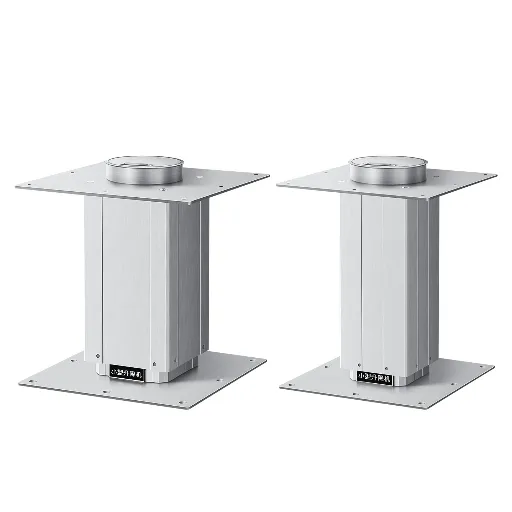
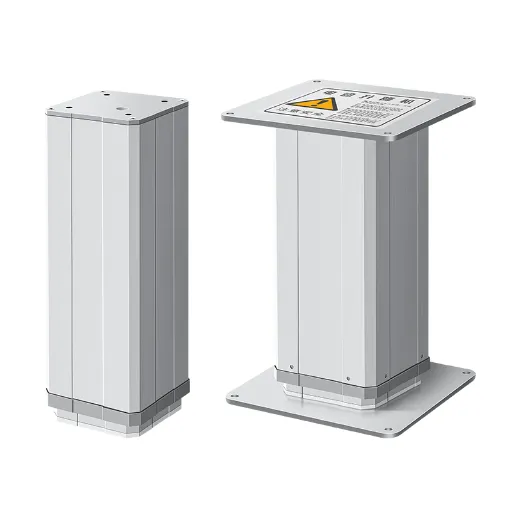
- Synchronization is critical: You need micro-level precision to synchronize multiple heavy-duty lifting columns simultaneously.
Being aware of these limits of operation will ensure that your system will operate as long as it is supposed to.
 English
  Chinese