
The world of industrial equipment procurement is a complicated environment that cannot be navigated with a simple grasp of technical specifications. To engineers, project managers and B2B buyers, choosing the right environmental protection rating can be the difference between a system that works perfectly over a decade and one that fails disastrously in a few months. In the assessment of outdoor installations or rugged equipment, the discussion is almost always reduced to the ip68 vs ip67 comparison.
At first glance, the difference between a “7” and an “8” might seem negligible—a minor technicality on a long datasheet. But in the brutalities of industrial practice, this one figure signifies quite different engineering philosophies, testing procedures and survival possibilities. The common misinterpretation of these ratings is that they are either under-specified, causing catastrophic equipment destruction, water damage, and system failure, or over-specified, which unnecessarily consumes procurement funds.
This is a complete guide to your professional consulting tool to decipher the real meaning of IP67 and IP68. We will strip away the marketing jargon, explore the hidden truths of manufacturer testing, delve into the physics of dynamic water pressure, and provide a clear, actionable framework for selecting the exact level of protection your project demands. Whether you are designing liquid-cooled EV infrastructure, outfitting a modern metal packaging facility, or sourcing linear actuators for agricultural automation, this guide will equip you with the technical clarity needed to make informed, cost-effective decisions.
What Do IP67 and IP68 Actually Mean?
In order to make a sound engineering choice, we have to examine the underlying criteria that underlie these ratings. The International Electrotechnical Commission (IEC) 60529 defines the IP code, also referred to as Ingress Protection. This is an internationally accepted rating system that categorizes the levels of protection offered by electrical enclosures against the ingress of solid objects, dust, accidental contact and water. The rating is usually composed of the letters “IP” and two digits.
The first number at the beginning of the sequence determines the resistance of the enclosure to solid particles and dust. In both IP67 and IP68, this first digit is a “6.” Within the IEC standard, a “6” means the maximum possible level of solid protection, offering complete dust protection: Dust Tight. In order to obtain this rating, the equipment is put in a special testing chamber whereby fine talcum powder is pumped through the equipment. The enclosure is placed in a vacuum to try to attract the dust into the enclosure. When the device has not been penetrated by dust after a maximum of eight hours of testing, it is rated as “6.” Thus, it is important to define that in the case of comparing IP67 and IP68, the line of dust protection is the same. Both will offer complete protection to delicate internal components against blowing sand, dust and manufacturing debris in the air.
The actual difference between the two ratings is all in the second digit, which represents the degree of protection against water ingress. The transition from a “7” to an “8” moves the equipment from surviving temporary, shallow submersion to enduring prolonged, deeper underwater exposure, establishing its true level of water resistance. The first step to making sure that your equipment can survive in the environment that it is supposed to be used in is to understand the exact legal and technical definitions of these levels of liquid protection.
IP67 vs IP68: The Core Differences Explained
When we separate the liquid ingress protection digits, the key differences between IP67 and IP68 are made very clear. These numbers are not random numbers, they are the numbers that represent very specific laboratory testing conditions that simulate the possible real-world water exposure.
An IP67 rating guarantees that the equipment can withstand temporary water immersion. In particular, the IEC standard requires that an IP67 device should be able to withstand being submerged in up to one meter of water (about 3.3 feet) at the longest possible time of 30 minutes. The bottom of the enclosure should be 1 meter below the surface and the top should not be less than 150mm below the surface. When the device is recovered in that half-hour time and works normally without any water penetration, it attains the IP67 status. This renders IP67 to be suitable in equipment like security cameras that are subjected to heavy rain, accidental falls into puddles or temporary flooding.
On the other hand, an IP68 rating means that it is resistant to constant immersion in water in more extreme conditions. The minimum condition is that the depth of the testing should be more than 1 meter and the time should be more than 30 minutes. This rating is intended to be used on equipment that is submerged or is subject to the risk of deep submergence at all times.
In order to give a clear scannable clarity on these differences, refer to the comparison table below, which also incorporates the specialized IP69K rating in a wider industrial environment:
| Feature / Specification | IP67 Rating | IP68 Rating | IP69K Rating (Bonus Context) |
| Water Depth Limit | Up to 1 meter (3.3 feet) | Greater than 1 meter (Manufacturer defined) | Not applicable for deep submersion |
| Immersion Duration | Exactly 30 minutes | Continuous / Extended (Manufacturer defined) | Short duration washdown |
| Primary Defense | Temporary immersion, heavy rain, splashes | Prolonged submersion, deep water applications | High-pressure jets, high-temperature steam |
| Ideal Scenarios | Outdoor control panels, agricultural sensors | Underwater lighting, marine communications | Food processing, heavy industry sanitation |
| Key Limitation | Will fail if left underwater for extended periods | Testing parameters vary wildly between brands | Not designed to sit underwater statically |
It is notable that the IP69K is included in the table. Although IP68 is considered the gold standard of submersion, IP69K is designed to be used in such a setting as food processing, pharmaceuticals, or heavy construction equipment. In these industries, equipment is often exposed to aggressive, high temperature (up to 80°C) and high pressure water jets or steam cleaning to ensure high levels of hygiene. IP69K does not necessarily mean the device can survive deep underwater like an IP68 device; rather, it excels at deflecting violent, direct impacts of water.
The Hidden Truth: How Manufacturers Define IP68
One of the most dangerous traps for a B2B procurement officer or system engineer is assuming that “IP68” represents a single, immutable, and universal standard. The hard truth behind the IEC 60529 standard is that IP67 has strict and non-negotiable test conditions (1 meter in 30 minutes), but IP68 is in a huge grey zone.
The standard merely provides that IP68 should provide protection in conditions that are more extreme than IP67. Importantly, the depth and the specific time of the IP68 test is set by the manufacturer completely. You must read the fine print, as they are grading their homework basically themselves. A manufacturer may test their “IP68” industrial sensor at 1.5 meters in 1 hour, or may test a competing “IP68” sensor at 3 meters in 24 hours. Both are legally allowed to print “IP68” on their datasheet, yet their actual survival capabilities in the field are drastically different.
Thus, in the case of technical specifications, you should never encounter an IP68 label and make a purchase order blindly. You have to be consultative and investigative. We strongly advise engineers and buyers to ask their suppliers three mandatory questions regarding any IP68 claim:
- What is the exact testing depth? Is it a conservative 1.1 meters, or a robust 5 meters?
- What is the precise testing duration? Did it sit in the tank for 45 minutes, or for two weeks continuously?
- What was the testing medium? (This is almost always static fresh water, which leads us to the next critical engineering concept).
By demanding the specific test reports rather than accepting the IP68 badge at face value, you protect your infrastructure from premature failure and hold vendors accountable for their marketing claims.
Static vs Dynamic Water Pressure in Real Applications
The most common misconception about waterproof ratings is, perhaps, the inability to differentiate between the static and dynamic water pressure. This knowledge gap is responsible for millions of dollars in equipment damage annually.
When a manufacturer tests an enclosure for an IP67 or IP68 rating, the device is gently, slowly lowered into a tank of calm, still, fresh laboratory water. This atmosphere produces Static Water Pressure. The pressure on the seals of the device is completely dependent on the depth of the water and is constant.
But the actual industrial world is seldom peaceful, quiet, or clean. In practice, equipment is exposed to Dynamic Water Pressure. When a device is dropped into a body of water, hit by a wave, exposed to heavy storm winds driving rain, or sprayed with a hose, the impact creates an immediate, severe spike in pressure. This shock can increase exponentially the pressure of a 1-meter laboratory tank at rest, and instantly overcome and break the delicate seals of an allegedly waterproof device. That is exactly the reason why a consumer smartwatch with an IP68 rating can be left at the bottom of a drinking glass and last a week, but will immediately get wet and fail as soon as it is put on and the user jumps in a swimming pool or waterski.
Moreover, the medium of testing is of great importance. Pure fresh water is used in laboratory tests. As a matter of fact, the chemical structure of seals and gaskets will be quickly corroded by exposure to salt water (which contains corrosive salt), swimming pool water (which contains chlorine), or chemical solvents.
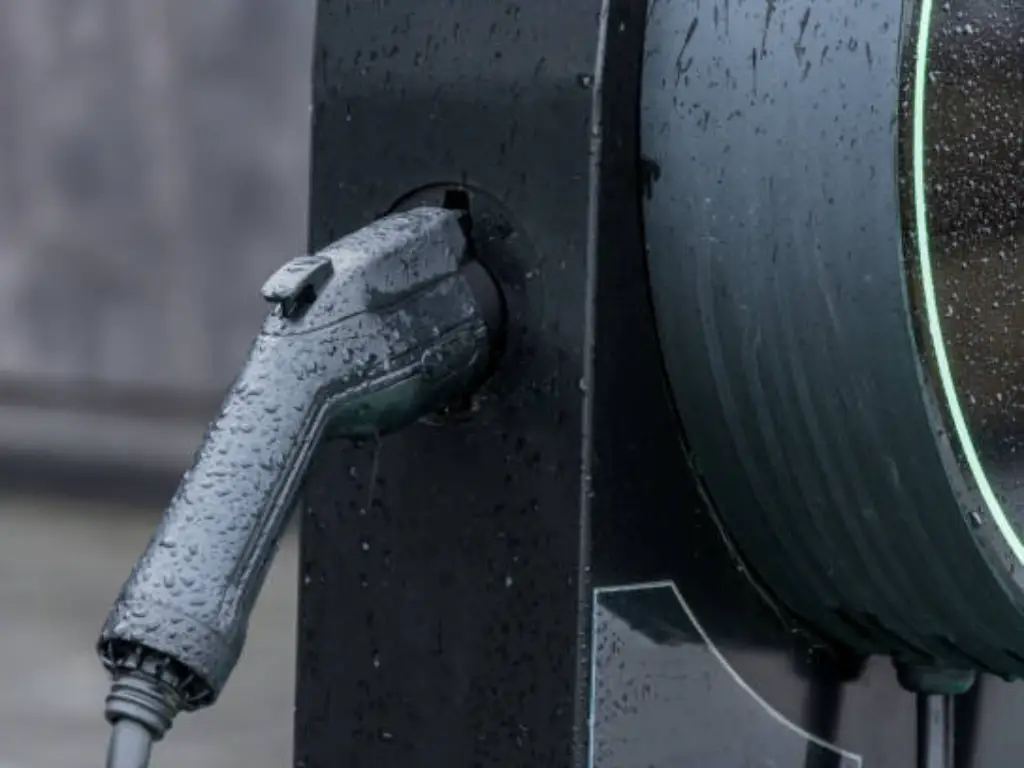
Consider the advanced infrastructure of Electric Vehicle (EV) charging stations, specifically their liquid cooling systems. It is vital to clarify that in modern fast-charging stations, “liquid cooling” refers specifically to the cooling channels running through the external charging guns and the thick charging cables—not the internal charging host unit itself. Since these charging guns and cables are exposed to the elements, dropped on the concrete, and exposed to the physical force of being forcefully plugged and unplugged by users, they experience enormous dynamic pressure.
When rain strikes an open EV charging gun connector, or when the cable drops into a puddle, it is not in a static position. The weather factors and physical manipulation make the environment a dangerous threat. Therefore, the connectors and external liquid-cooling housings must be engineered to an absolute minimum of IP67 as a first line of defense, and preferably higher, to withstand these dynamic forces. Lack of consideration of this dynamic pressure will result in immediate pressure differentials, which may cause the internal cooling liquid to spill or cause disastrous electrical short circuits when water comes in contact with the high-voltage pins.
Extreme Applications: Marine Engineering and Precision Packaging
To further explain why the IP ratings should be very strict, we need to consider the industries where the environment is actively attacking the equipment.
Consider, as an example, the contemporary precision packaging business. Traditionally linked to pure tin of simple type, contemporary metal packaging is a very sophisticated industry that employs Tin-Plated Steel (TPS) and Tin-Free Steel (TFS). The production lines that produce these advanced TPS/TFS coating are automated and work in harsh, very demanding environments. To maintain the structural integrity and hygiene of the metal sheets, the manufacturing process requires frequent, heavy cold-water spraying and the aggressive application of chemical cleaning agents. These TPS/TFS production lines have sensors, motors and control panels that cannot just endure a light splash; they are constantly being hit by liquids.
Similarly, consider marine engineering and naval infrastructure. The proximity sensors and automated locking systems installed on business docks or marine vessels are bombarded with unending environmental risks. They are covered with heavy salt fog, beaten by the tidal waves, and often covered by the high tide.
IP67 is not good enough in both the TPS/TFS metal packaging lines and marine engineering environment. This mixture of constant moisture, temperature variations and chemical or saline exposure forms a phenomenon called capillary action. When there is a slight drop in temperature in an enclosure, the air inside the enclosure contracts forming a small vacuum that actively pulls moisture through weak seals. In these environments, true, rigorously tested IP68 protection—featuring reinforced, chemically resistant sealing technology—is the absolute minimum requirement to prevent moisture from destroying the sensitive internal electronics.
Do Waterproof IP Ratings Degrade Over Time?
One of the most important aspects that B2B engineering and procurement overlooks is the fact that an IP rating is a lifetime warranty. Mechanical engineering is a harsh reality of material degradation. A case that passes an IP68 test proudly on the day it comes off the assembly line will not necessarily provide IP68 protection two, three, or five years later.
Waterproof integrity is purely dependent on the physical characteristics of sealing materials, most often rubber O-rings, silicone gaskets, and special industrial sealants. Over time, these materials undergo a phenomenon known as life-cycle degradation.
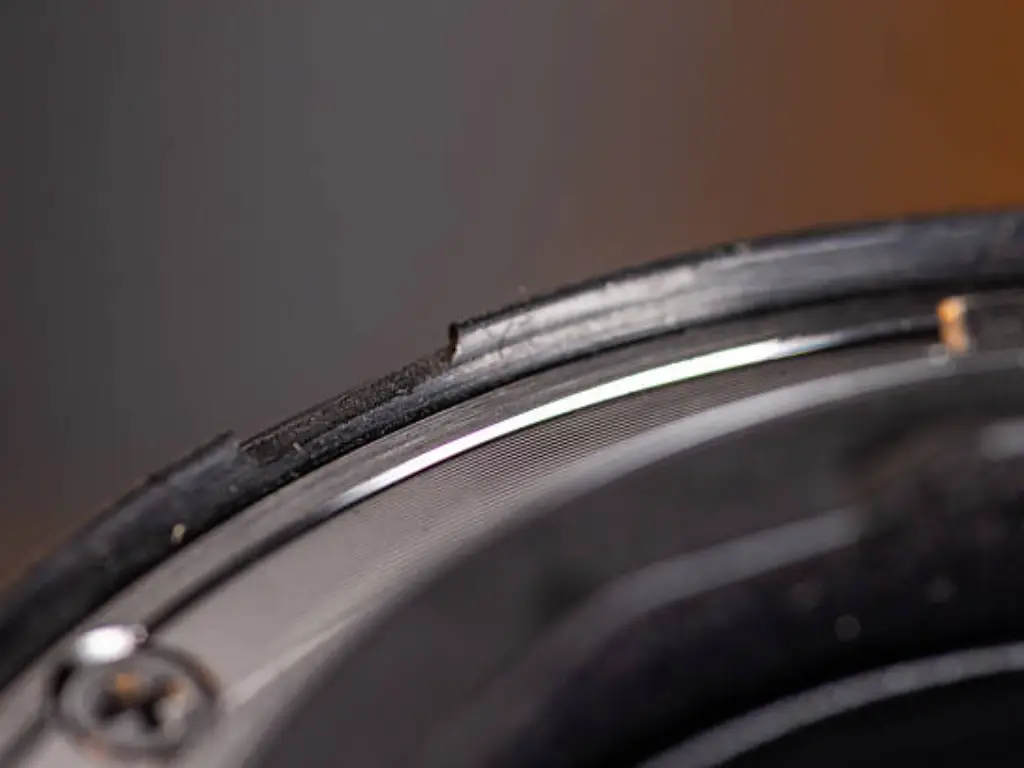
Rubber and plastics crack when they are exposed to the ultraviolet (UV) radiation of the sun all the time when equipment is used outdoors. Moreover, the heating and cooling down process every day under the sun and in the night makes the metal or plastic housing to expand and shrink thermally. This micro-movement continuously compresses and releases the gaskets. Over thousands of cycles, the silicone loses its elasticity, taking on a permanent “compression set.” Once the gasket loses its ability to push back against the enclosure, microscopic gaps form.
Expose to ozone, industrial chemicals or salt and the degradation increases. Thus, engineers cannot just compute the initial capital expenditure (CapEx) of a device by the day-one IP rating. Proper project budgeting must factor in long-term operational expenditures (OpEx), including scheduled maintenance, gasket replacement, and environmental shielding. It is important to realize that an IP rating is not a permanent characteristic, but a transitory condition, to develop robust, durable industrial systems.
IP67 vs IP68 for Industrial Linear Actuators
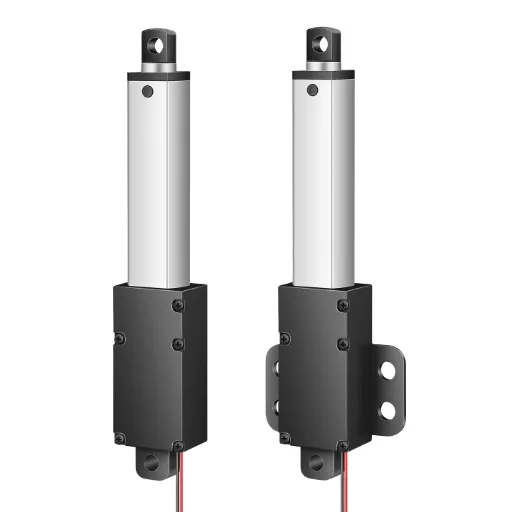
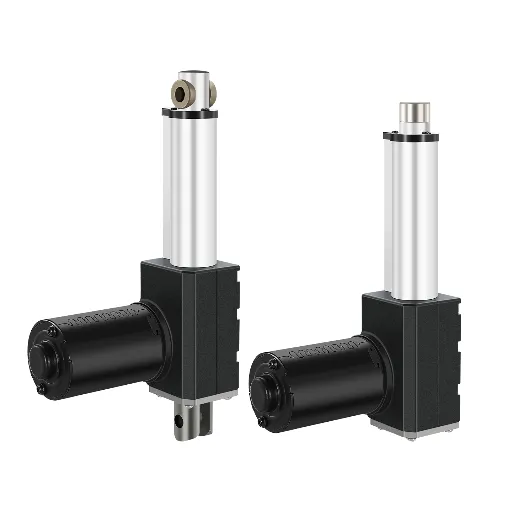
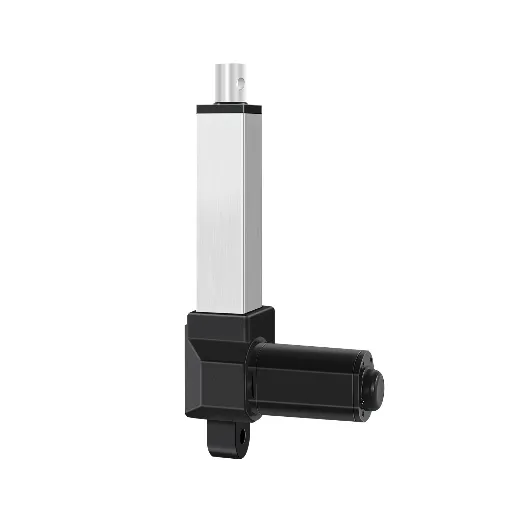
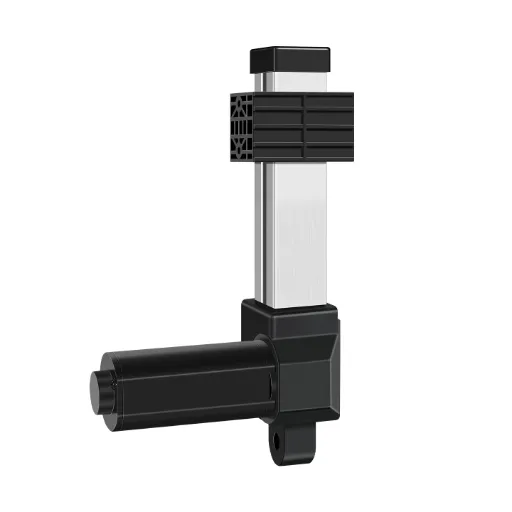
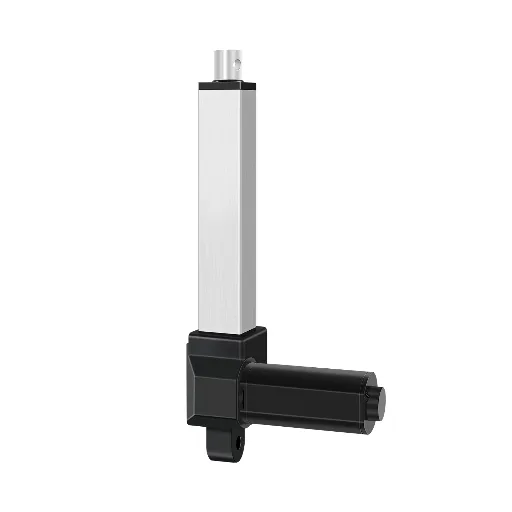
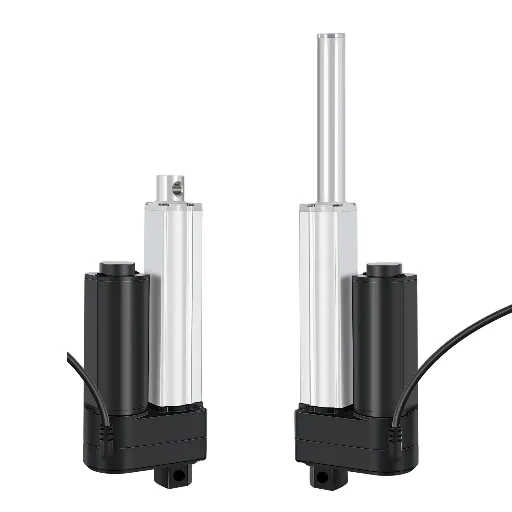
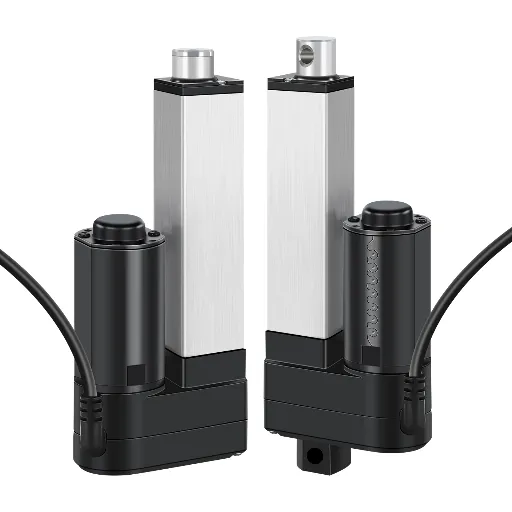
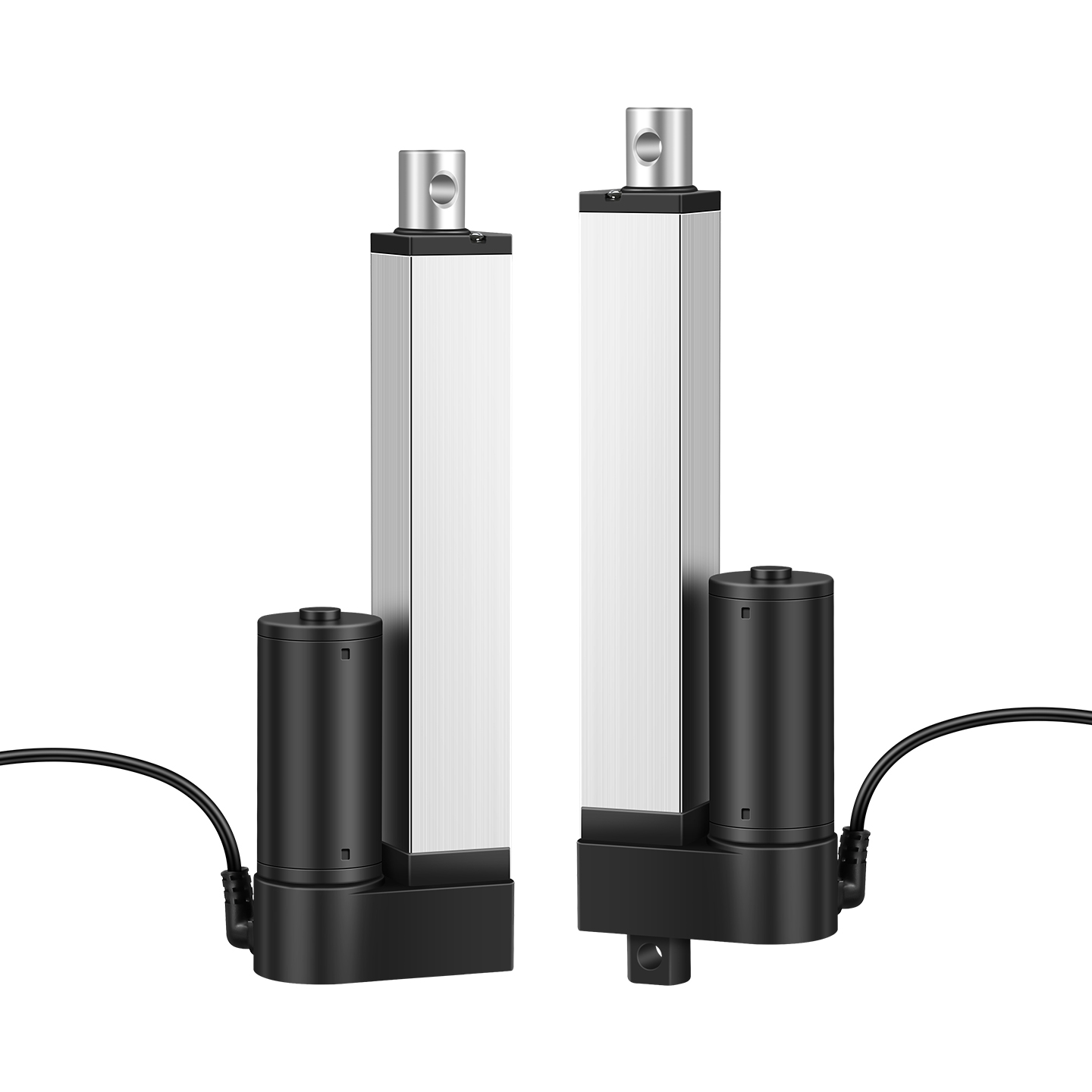
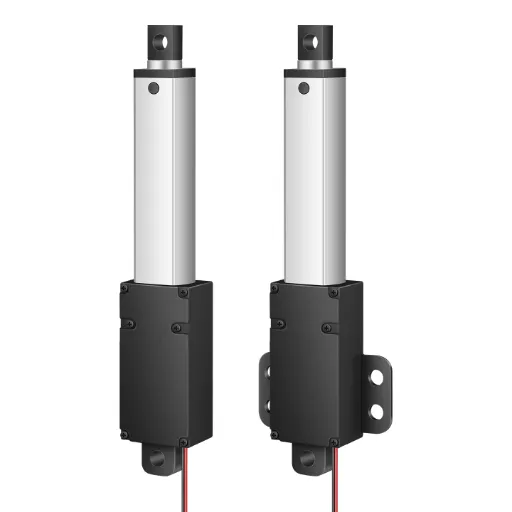
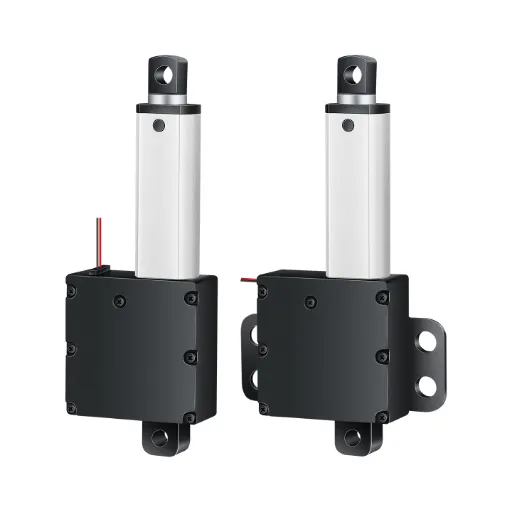
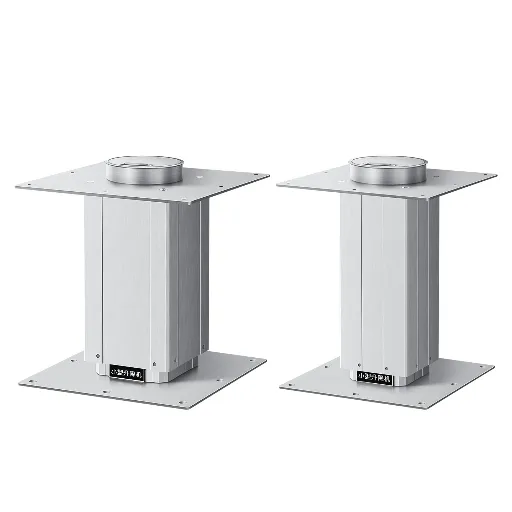
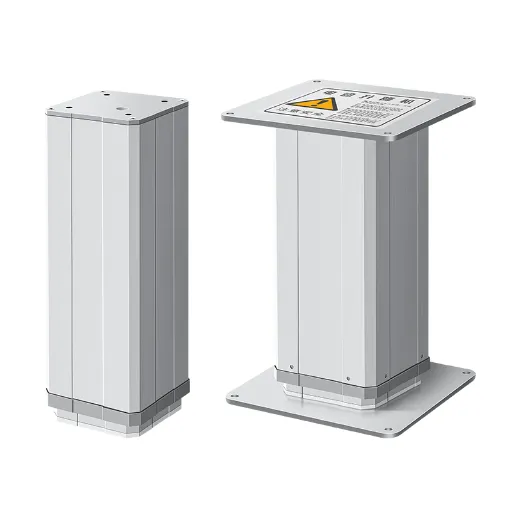
Theoretical principles of IP ratings are most critically applied in special mechanical elements such as industrial linear actuators and lifting columns. These machines offer the necessary push, pull, lift and tilt movements to heavy machinery and their location frequently places them in the direct line of extreme weather and contamination.
Consider the diverse environments where actuators operate. In luxury RV and camper van modifications, actuators are installed beneath the chassis to level the vehicle or extend slide-outs, exposing them to highway speeds, driving rain, and muddy road spray. Actuators used in agricultural machinery regulate the settings of the combine harvesters, which are covered with thick crop dust and sprayed with high-pressure washdowns at the shift end. In the renewable energy sector, robust actuators are the driving force behind on-grid solar tracking systems. It should be noted that the typical on-grid solar systems are directly connected to the utility infrastructure and do not include batteries, so the efficiency of the system is solely dependent on the actuators for optimal performance to ensure that the panels are perfectly aligned with the sun, whether it is raining or not (this is not the case with off-grid systems).
In all these scenarios, selecting between IP67 and IP68 is a high-stakes decision. It is at this point that the collaboration with a manufacturer with a rich engineering background and customization would be invaluable.
Hoodland has grown to be a leading power transmission solution provider in the world since its inception as a precision mold manufacturing workshop in 1989. Since Hoodland has its own internal mold and machining workshops, they do not simply sell off-the-shelf standard products; they offer deep customization.Whether an agricultural client needs a specific 235mm stroke with customized mounting brackets to avoid water pooling, or a solar tracker needs a reinforced housing, the design is tailored to the exact environmental threat.
The product matrix of Hoodland shows that it has a profound knowledge of environmental protection and performance scaling. In heavy-duty industrial applications that need a lot of force, their IP6000 series provides up to 6000N of thrust and strong weatherproofing. For space-constrained precision tasks, the micro IP70 series provides reliable actuation in a compact footprint.
More importantly, Hoodland introduces the reliability of industry to noise-sensitive areas. Their accuracy in gearing meshing is the product of decades of experience in mold-making, which makes them operate at less than 50dB. This allows IP-rated durability to be deployed safely in medical beds or high-end smart home furniture without the disruptive mechanical grinding typical of heavy actuators.
Moreover, Hoodland is dedicated to quality, which means that the IP ratings are not only stated but also checked. Every actuator is designed for a 30,000-cycle lifespan and undergoes a mandatory 2-hour aging test before leaving the 4,901-square-meter facility. Supported by an ISO 9001 certified quality management system, CE and RoHS certification to the European markets, and even the special Ex ib IIA T6 Gb explosion-proof certification to the chemical and mining industries, Hoodland offers the written guarantee that their IP67 and IP68 claims will perform in the harshest of environments.
Decision Tree: Choosing the Right Protection Level
In order to make this technical information useful in a practical procurement tool, we suggest the use of a rational decision-making model. When evaluating your next equipment purchase, run the application through this simplified decision tree:
- Analyze the Dust Environment:
- Will the equipment be subjected to fine particles, sand or manufacturing dust? In case yes, you have to begin with the bottom of an IP6X rating. IP67 and IP68 meet this requirement.
- Evaluate the Water Threat Level:
- Scenario A: Occasional Exposure. Will the equipment primarily face outdoor rain, occasional splashes, or brief, accidental drops into shallow puddles? Does the water drain away quickly?
- Decision: IP67 is entirely sufficient and cost-effective.
- Scenario B: Submersion & Flooding. Will the equipment be installed in water? Is it in a trench that is prone to floods? Will it be under water more than 30 minutes and more than 1 meter deep?
- Decision: You require IP68. (Remember to demand the exact depth/duration test data from the vendor).
- Scenario C: Extreme Cleaning. Will the equipment face high-pressure, high-temperature steam cleaning (common in food, beverage, and medical manufacturing)?
- Decision: You must seek out IP69K, potentially in combination with an IP68 rating.
- Scenario A: Occasional Exposure. Will the equipment primarily face outdoor rain, occasional splashes, or brief, accidental drops into shallow puddles? Does the water drain away quickly?
- Assess the Dynamic Forces:
- Will the equipment be moving at a high rate through the water, or will the water be shot at it hard? If there is dynamic pressure, increase your demand. An IP68 rating may be needed in a dynamic environment where the depth of the water may not actually go beyond a few inches.
How to Balance Procurement Costs and Reliability

Finally, engineering and procurement should agree on a business reality: the maximum IP rating is not necessarily the most suitable one. Over-specification of equipment is a silent killer of budgets in the B2B environment.
Insisting on an IP68 rating on a sensor that will never see anything more than light rain is tantamount to paying a premium on heavy-duty sealing technology, specialized pressure-testing, and heavier enclosures that will not pay off in the least. Furthermore, tighter seals can sometimes lead to thermal management issues, as the heat generated by internal electronics has no avenue to escape.
The smartest, most professional approach is to adopt the principle of “Fit for Purpose.” Analyze the specific environmental threats, account for the difference between static and dynamic pressures, calculate the expected degradation of materials, and consult with authoritative manufacturers. By selecting the right ip rating for the exact reality of the application, you strike the perfect balance between safeguarding operational reliability and optimizing total procurement costs. Make sure that your next project is resistant to the elements by assessing the data, doubting the manufacturer specifications, and designing to the reality of the industrial world.
 English
  Chinese