
The Core Mechanics: How Electric, Hydraulic, and Pneumatic Actuators Work
Fluid Power Systems: Hydraulic and Pneumatic Principles
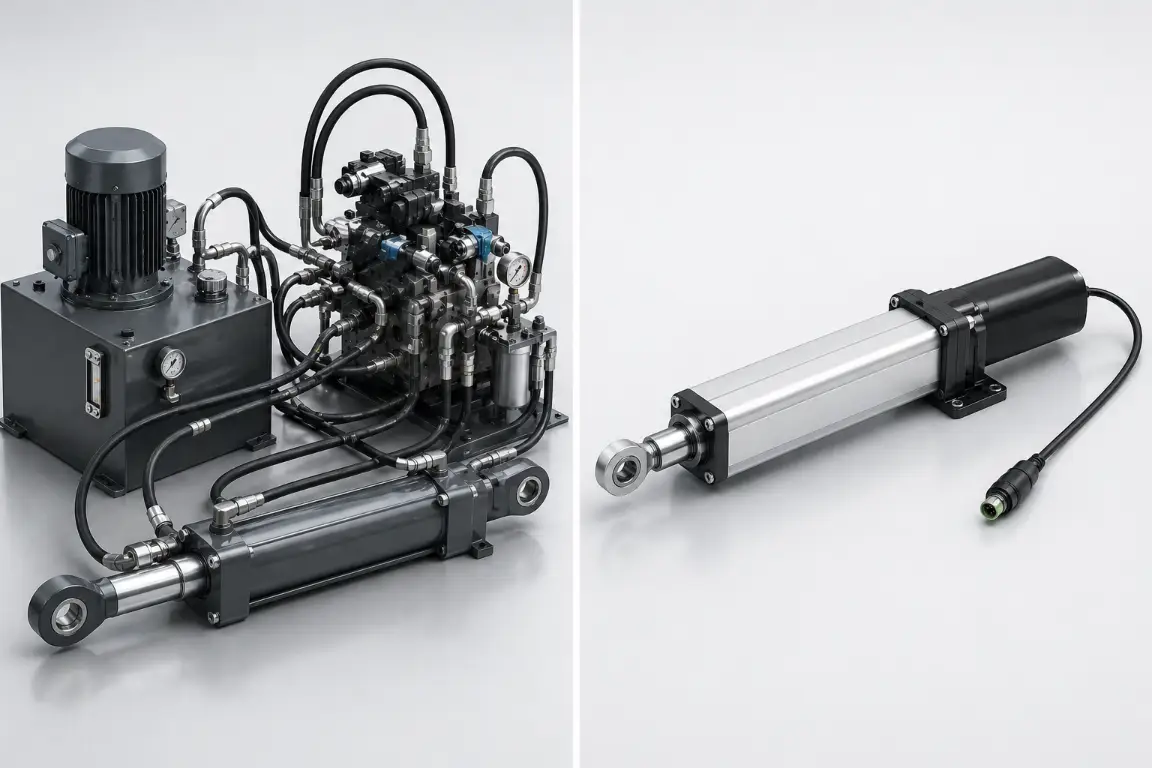
Fluid power relies on directing pressurized media to create linear motion. Hydraulics utilize incompressible fluids (oil) to generate immense force, while pneumatics use compressible air for rapid cycling. However, neither operates in a vacuum. Think of them as a city’s water grid: the cylinder is merely the faucet. To get a single push, you require a massive, centralized infrastructure including Hydraulic Power Units (HPUs), air compressors, directional valves, and a labyrinth of hoses.
Electromechanical Systems: The Electric Actuator Principle
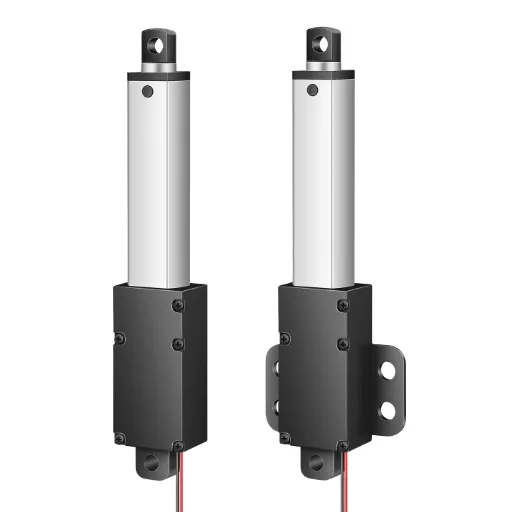
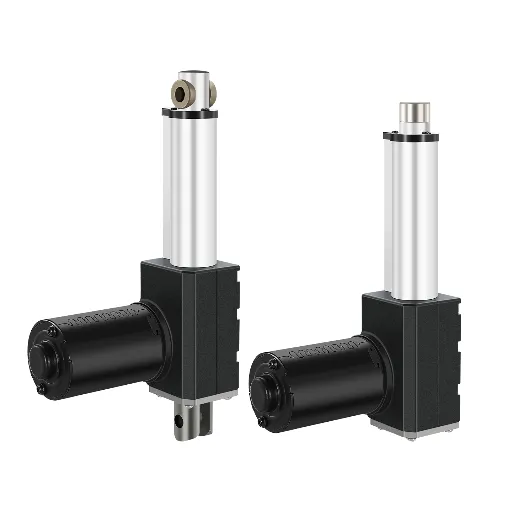
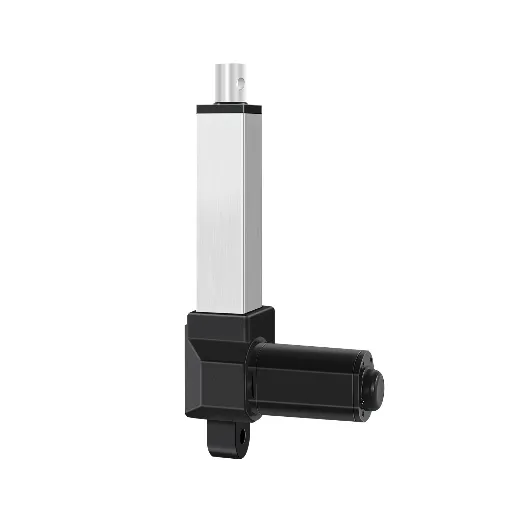
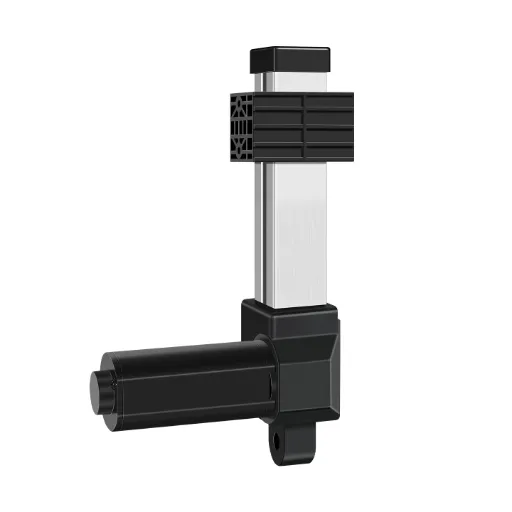
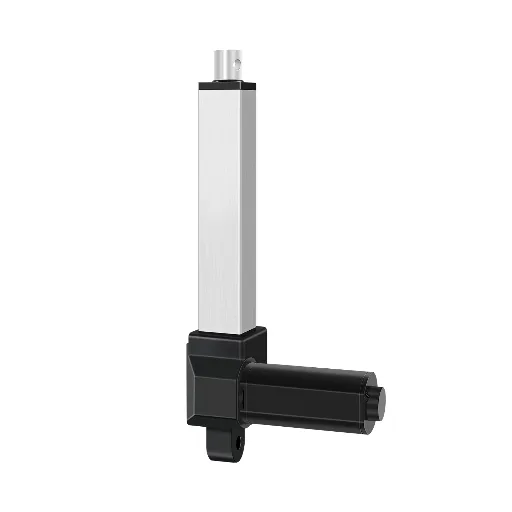
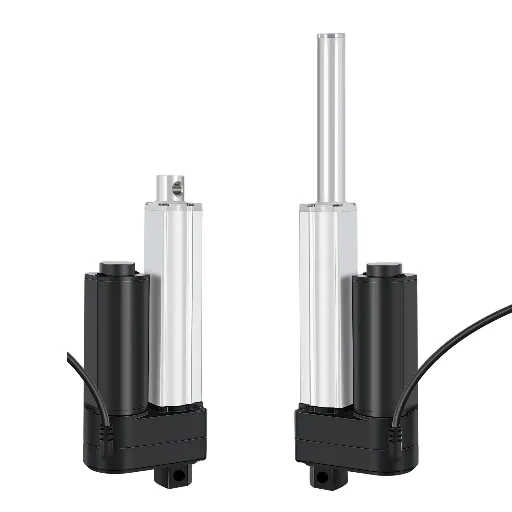
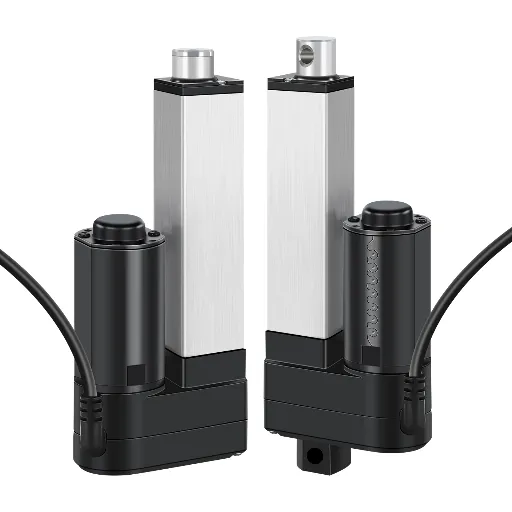
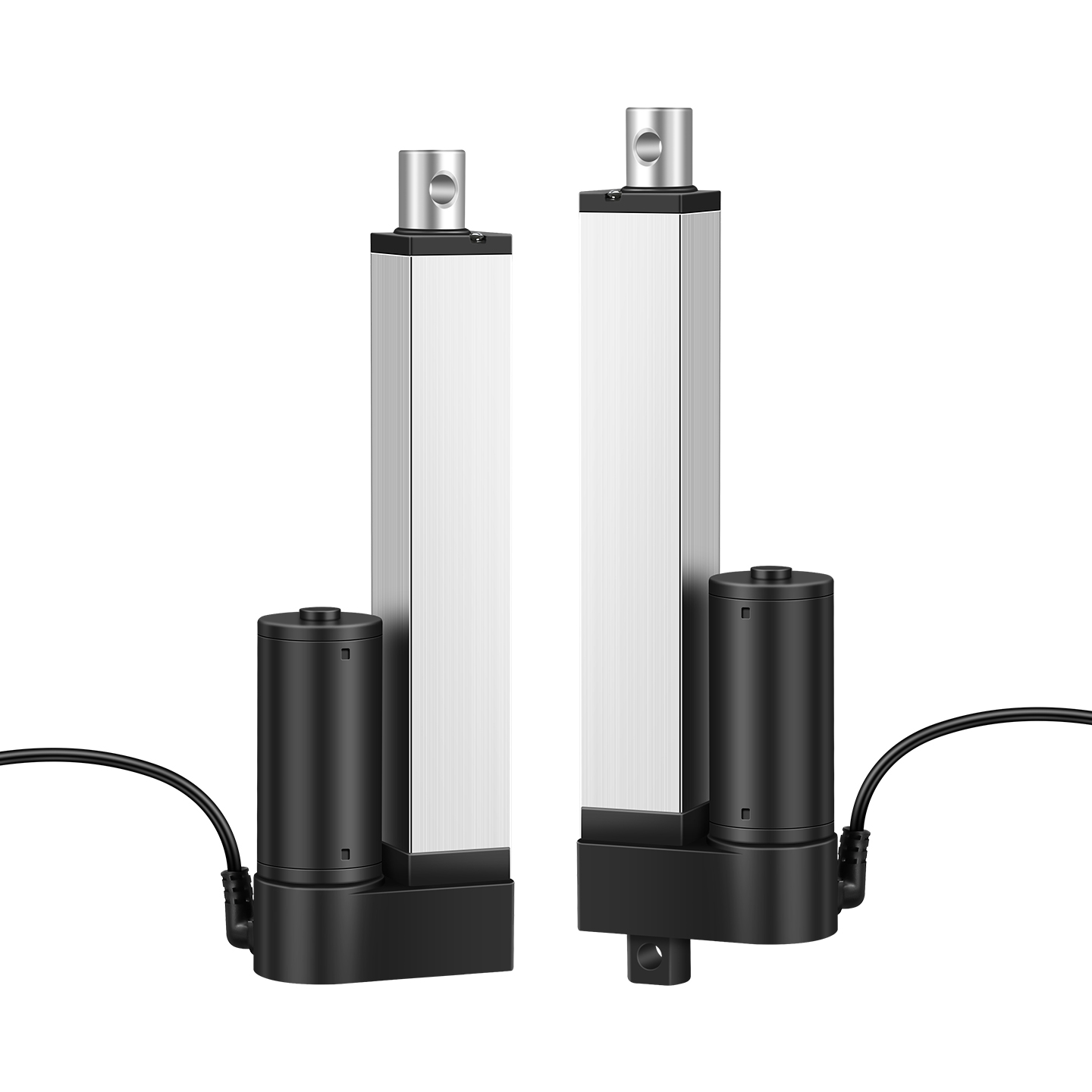
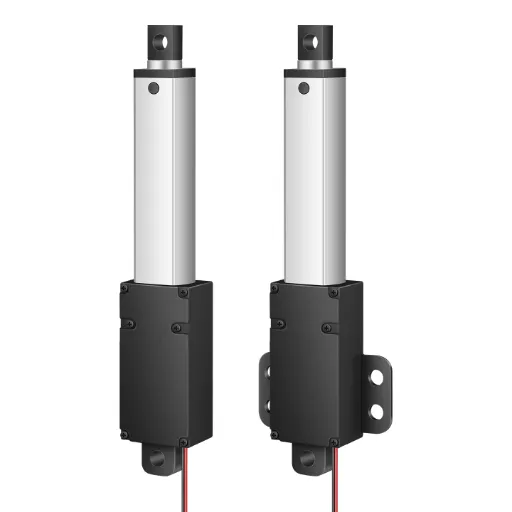
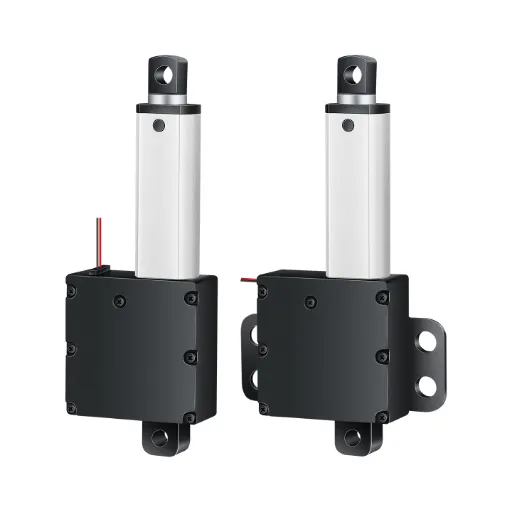
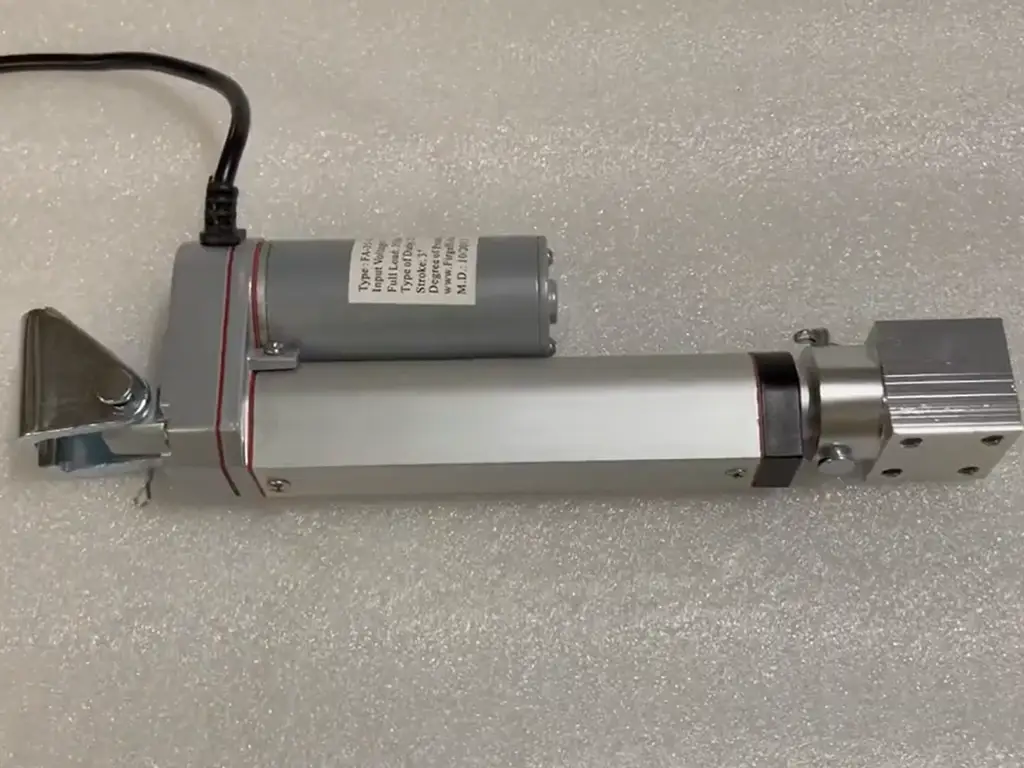
In stark contrast, electric actuators operate on a decentralized, modular philosophy. They convert rotary motion from a servo or stepper motor into linear movement via lead screws or ball screws. Think of an electric actuator as an independent, battery-operated flashlight—it requires no external plumbing. You simply provide power and a control signal, making integration incredibly streamlined and eliminating the need for bulky supporting infrastructure.
The Muscle: Force Density and Shock Load Tolerance
Hydraulic Dominance in Raw Power and High-Impact Scenarios
When it comes to sheer force density, hydraulics have historically held the crown. Operating easily at 3,000 to 5,000 PSI, hydraulic cylinders can move monumental loads. More importantly, fluid acts as a natural shock absorber. In brutal applications like mining crushers or forging presses, hydraulic systems can effortlessly absorb sudden, violent impacts (high shock load tolerance) that would shatter traditional rigid mechanical drives.
The Rise of Heavy-Duty Electric Alternatives in Demanding Environments
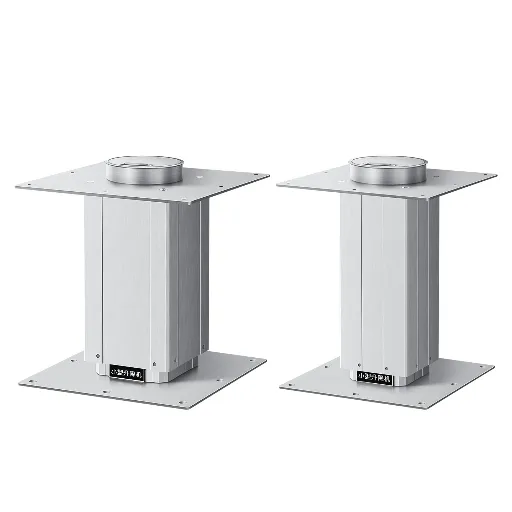
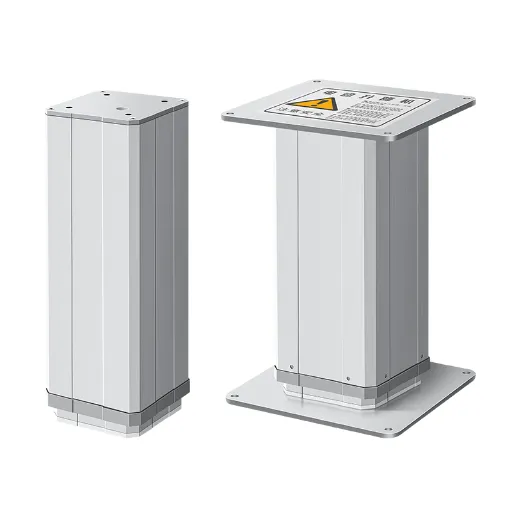
The paradigm that “only hydraulics can handle heavy loads” is obsolete. Advancements in planetary roller screws and precision machining have drastically pushed the boundaries of electromechanical systems.Hoodland’s IP6000 series , for example, delivers up to 6000N (approx. 600 kg) of thrust, easily satisfying the heavy-duty requirements of medical imaging beds and industrial lifting platforms. Furthermore, for hazardous environments where hydraulics were once the only safe bet, Hoodland’s IP60 model has achieved a rare Ex ib IIA T6 Gb explosion-proof certification. This guarantees absolute safety and compliance in volatile petrochemical and dust-heavy zones, offering a plug-and-play solution without the explosive risk of fluid leaks.
The Need for Speed: Acceleration and High-Cycle Operations
Pneumatics for Ultra-Fast, Bang-Bang Applications
If your sole requirement is moving a light load from Point A to Point B as fast as physically possible, pneumatics remain highly cost-effective. Because air compresses, pneumatic cylinders excel at high-cycle, ultra-fast “bang-bang” operations. For applications like sorting reject bins on a high-speed packaging line, a simple pneumatic cylinder can fire in fractions of a second, providing unmatched speed at a very low upfront component cost.
Controlled Velocity Profiles in Electric Actuators
The fatal flaw of pneumatics is a lack of control; they slam into their end-stops. If you are handling delicate semiconductor wafers or liquid-filled test tubes, that “bang” is a disaster. Electric actuators solve this by allowing engineers to program precise velocity profiles. By utilizing S-curve or trapezoidal acceleration and deceleration, electromechanical systems provide rapid transit times combined with incredibly soft, controlled stops, ensuring zero product spillage or damage.
Precision and Control: Achieving Micro-Millimeter Accuracy
The Limitations of Fluid Dynamics in Positioning
Fluid power systems are fundamentally incapable of micro-millimeter positioning. The compressibility of air gives pneumatic systems a inherent “sponginess,” making mid-stroke stopping virtually impossible. Hydraulics suffer from temperature fluctuations altering oil viscosity, along with “stick-slip” friction phenomena. Even when paired with expensive proportional valves, maintaining an absolute, rigid mid-stroke position against a dynamic load is an engineering nightmare.
Servo-Driven Electric Actuators for Infinite Positioning
This is the domain where electric actuators claim total victory. By leveraging closed-loop control systems with high-resolution encoders, servo-driven electric actuators can achieve repeatability tolerances of ±0.01 mm or better. Whether it is 3D printing beds or CNC machining centers, electric systems offer infinite positioning. They can stop exactly where commanded, hold that position rigidly, and repeat the motion millions of times with zero drift.
Industry 4.0 Readiness: Integration, IoT, and Data Analytics
Seamless PLC Integration and Network Protocols
Modern manufacturing requires data. Tying a traditional hydraulic system into a PLC for granular feedback requires external sensors, complex wiring, and analog-to-digital conversions. Smart electric actuators bypass this entirely. Supporting industrial Ethernet protocols like EtherCAT, PROFINET, and Ethernet/IP natively, electric systems connect to your central PLC via a single cable, streaming real-time data on position, speed, and force directly to your dashboard.
Real-Time Monitoring and Predictive Maintenance
Unplanned downtime is the silent killer of factory ROI. Electric actuators provide a built-in defense mechanism: predictive maintenance. By continuously monitoring the current draw of the servo motor, the system can detect micro-variations in mechanical resistance. If a ball screw begins to wear, the motor draws slightly more current. The system flags this anomaly weeks before a catastrophic failure occurs, allowing maintenance teams to replace the unit during scheduled downtime.
The Hidden Nightmare: Maintenance, Contamination, and Compliance
The Real Cost of Fluid Leaks and Contamination
The “durability” of fluid power comes with a severe maintenance tax. Hydraulic seals degrade, O-rings fail, and eventually, they leak. In industries like food processing or pharmaceuticals, a single micro-leak of hydraulic fluid can result in millions of dollars in scrapped products, FDA compliance violations, and severe environmental fines. Furthermore, pneumatic air leaks are the largest hidden “energy thief” in modern facilities, quietly bleeding electricity costs 24/7.
The Clean, Whisper-Quiet, and Zero-Maintenance Electric Paradigm
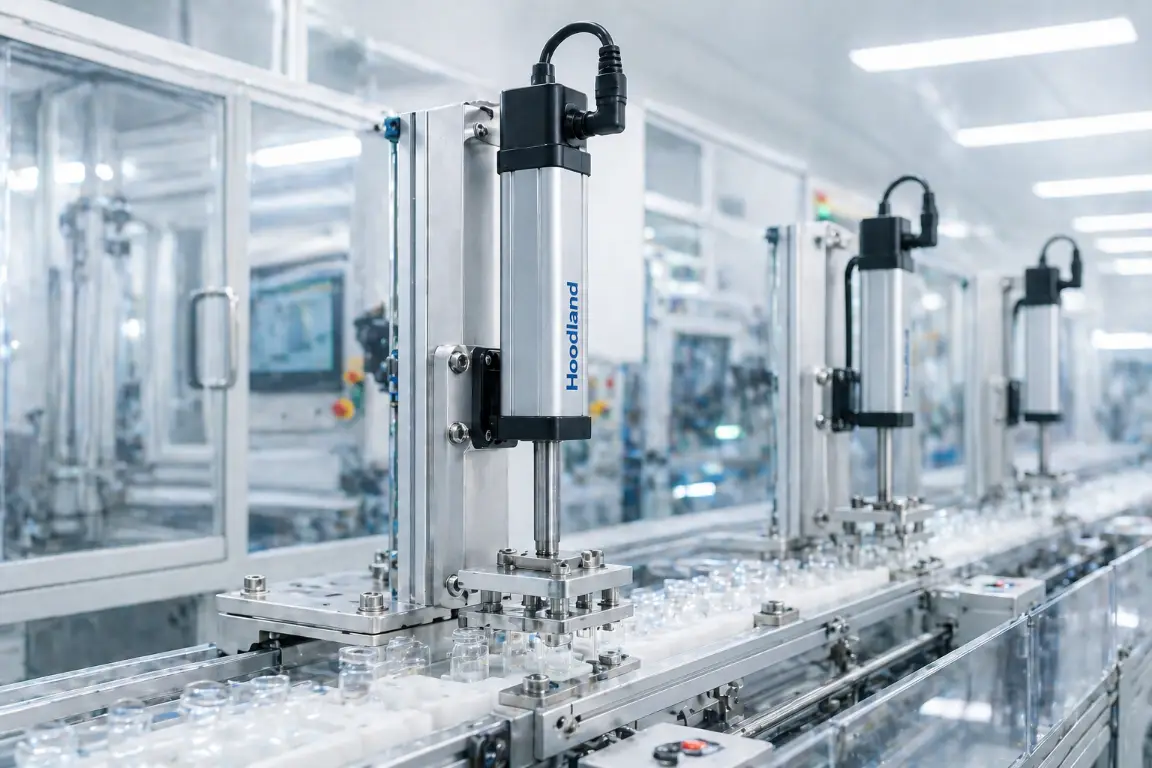
Eliminating fluid eliminates the risk. High-end electric actuators are increasingly lubricated-for-life, establishing a true plug-and-forget paradigm. For noise-sensitive environments like premium dental chairs or smart home furniture, the mechanical clatter of standard actuators is unacceptable. Hoodland solves this through precision-molded gears and customized motors, achieving a whisper-quiet operation of <50dB. Paired with their proprietary controllers that execute flawless soft start/stops, the user experience is transformed. Fully CE and RoHS certified, and rigorously tested to ensure a 30,000-cycle lifespan, these units undergo 2-hour aging tests prior to shipment. If your project faces strict spatial constraints or demands absolute silence, request a custom engineering evaluation to explore a perfectly matched, plug-and-play solution.
Total Cost of Ownership (TCO): Calculating the True Price Tag
Upfront Component Costs vs. Hidden Infrastructure
A procurement manager might balk at an electric actuator costing $1,500 when a hydraulic cylinder is quoted at $300. This is a dangerous miscalculation. That $300 cylinder requires a $3,000 HPU, $500 in valving, days of specialized labor to plumb the hoses, and valuable factory floor space to house the pump station. Electric actuators have a higher upfront component cost but near-zero infrastructure requirements, making the integrated installation cost highly competitive.
Energy Efficiency: The 5-Year Power Consumption Showdown
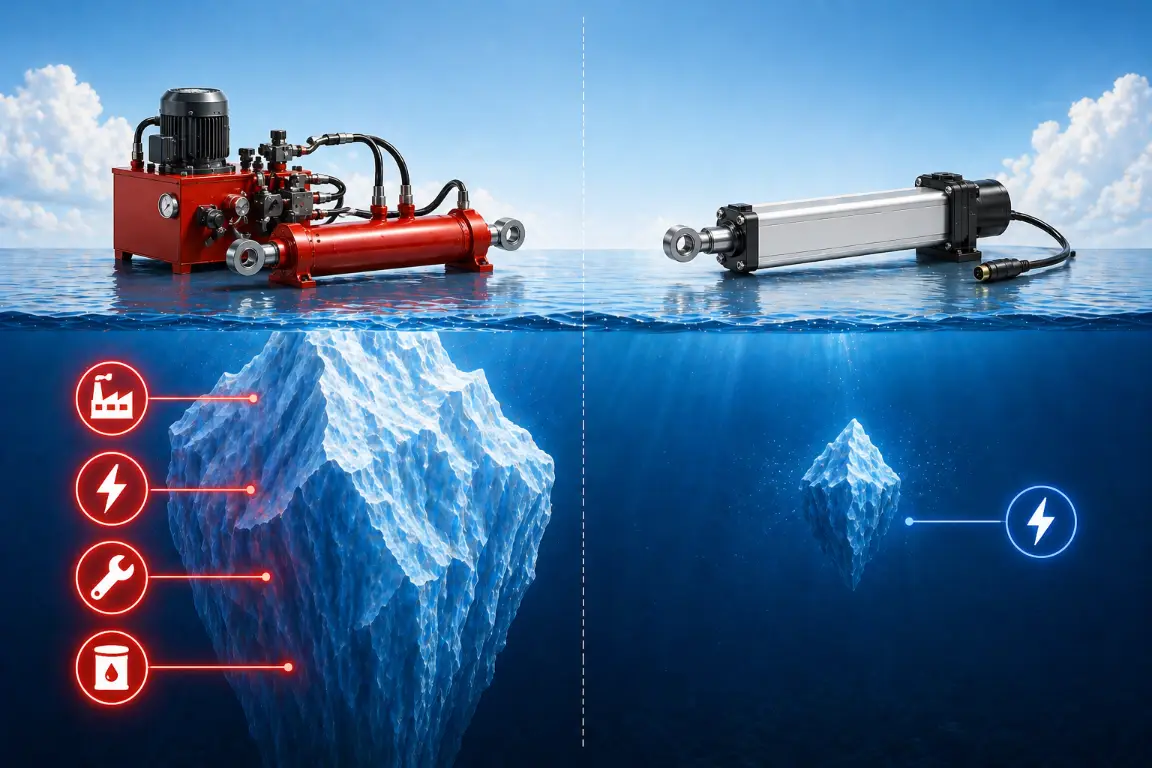
The true financial bleed of fluid power lies in energy consumption. Pneumatic systems typically operate at a dismal 10-20% efficiency. Hydraulic HPUs often idle continuously to maintain pressure, consuming massive amounts of electricity even when the cylinder isn’t moving. Electric actuators operate on a “power-on-demand” basis, boasting efficiencies up to 80% and drawing zero power when idle. Over a 5-year operational cycle, the energy savings alone from an electric system often pay for the actuator multiple times over, typically achieving ROI within 12 to 18 months.
Final Verdict: The Decision Matrix for Your Next Project
| Decision Criteria | Hydraulic | Pneumatic | Electric |
|---|---|---|---|
| Primary Strength | Extreme Force & Shock Tolerance | High Speed & Low Component Cost | Precision, Data & Lowest TCO |
| Energy Efficiency | Moderate (40-50%) | Poor (10-20%) | Excellent (up to 80%) |
| Maintenance & Risk | High (Leaks, Oil Disposal) | High (Air Leaks, Filter changes) | Near Zero (Lubricated for life) |
| Ideal Application | Mining, Heavy Stamping, Ag Tech | Simple Packaging, Sorting, Gripping | Medical, Smart Home, CNC, Cleanrooms |
 English
  Chinese