
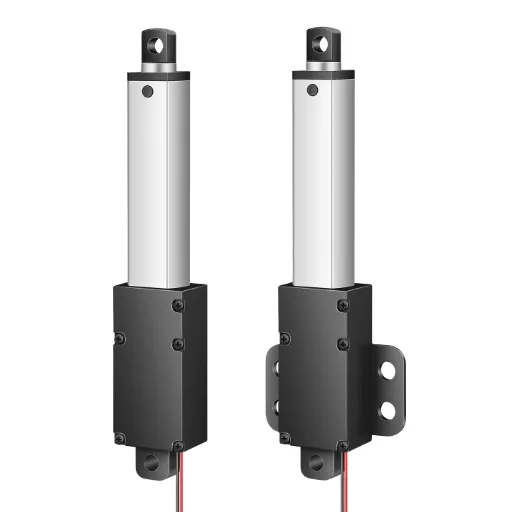
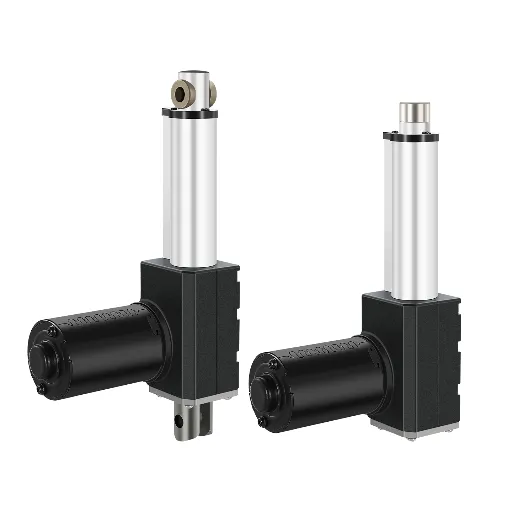
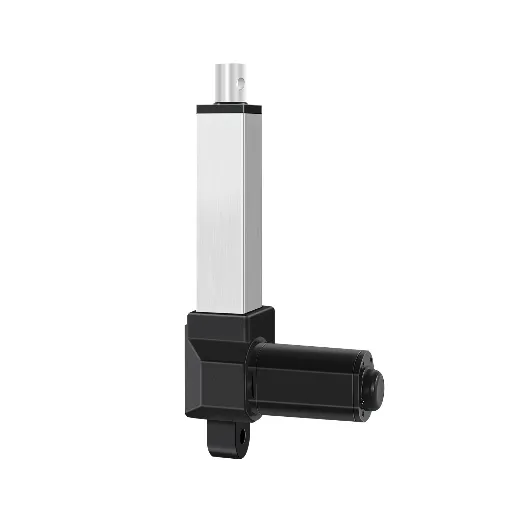
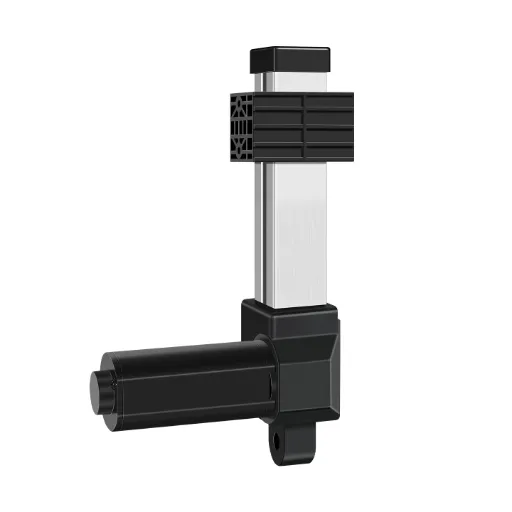
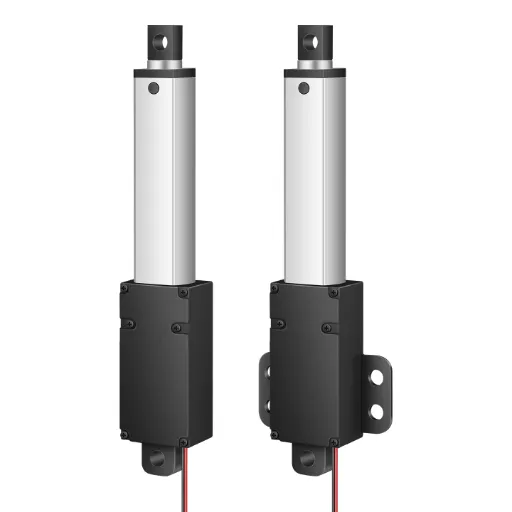
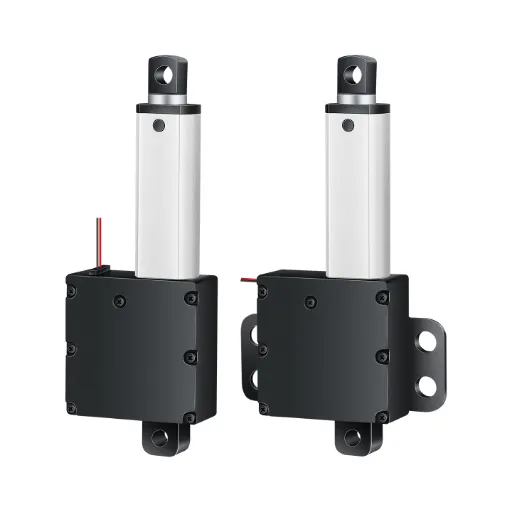
12V Linear Actuator Reviews: An Engineer’s Guide to Reading Between the Specs
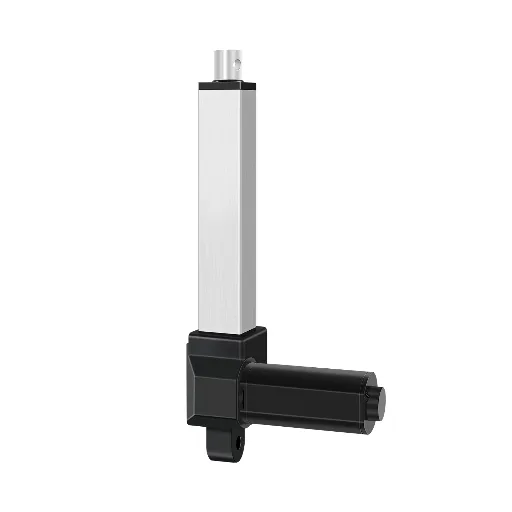
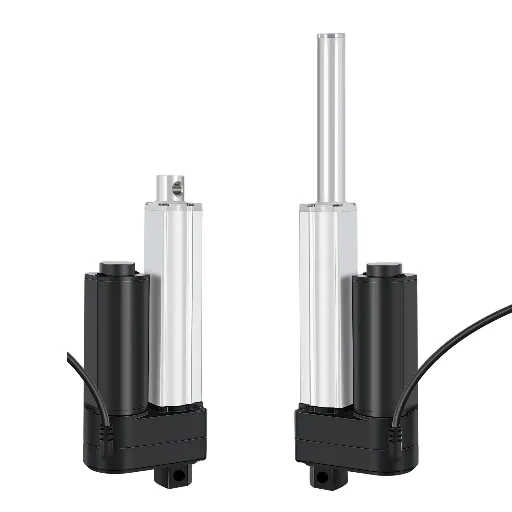
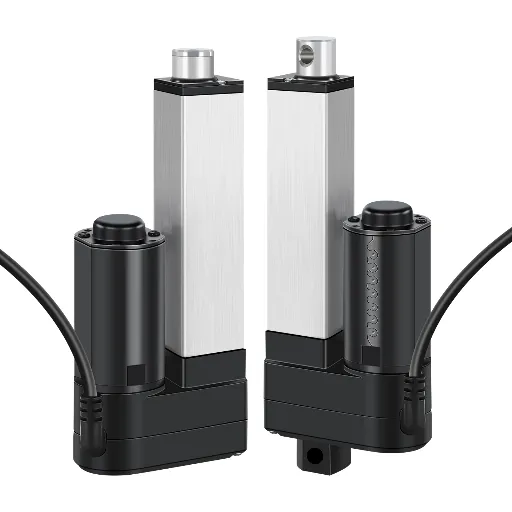
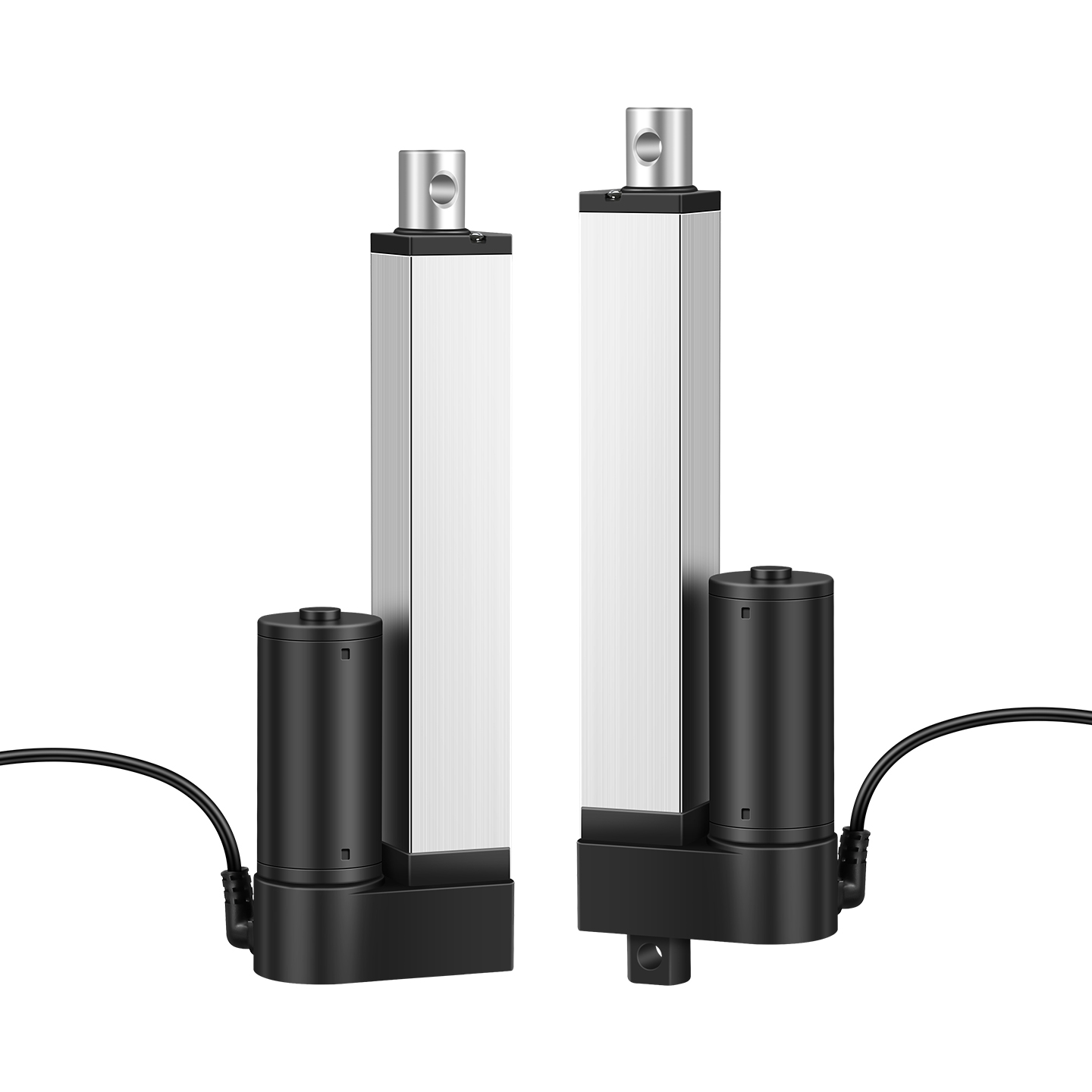
If you’ve spent any time scrolling through Amazon listings or YouTube reviews for 12V linear actuators, you know the pattern. A wall of near-identical silver cylinders. Each one promising “6000N max load” and “IP65 waterproof” and “super quiet.” Star ratings hover between 4.2 and 4.7. The price spread between the cheapest and most expensive option is maybe forty dollars. And after twenty minutes of comparing, you’re no closer to knowing which one will actually hold up — and which one will bend its aluminum shaft three weeks into your project.
That’s because most actuator reviews answer the wrong question. They compare numbers on a product page against other numbers on other product pages. What you need is someone to tell you what those numbers mean in your shop, on your machine, in your weather. That’s what this guide does.
12V Linear Actuator Specs Decoded: What the Numbers Actually Mean
Before we get to which actuator to buy, we need a shared language. Five numbers define every 12V linear actuator — and each one hides a trap for first-time buyers.
Force (rated in Newtons or pounds). This is how much the actuator can push or pull. The trap: some brands quote “max static load” (what the actuator can hold in place without back-driving), others quote “dynamic load” (what it can move). Static ratings are often two to three times higher — a 6000N static rating may only deliver 2000N of actual pushing power. If a listing doesn’t specify which one it’s quoting, assume the bigger number is static — and divide by two.
Speed (mm/s or inches per second). Standard 12V actuators run anywhere from a glacial 5 mm/s (about 0.2 inches per second) to a brisk 45 mm/s (nearly 2 inches per second). The trap: every speed rating you see is measured with zero load. Put weight on the actuator and it slows down — sometimes by half. A “14 mm/s” actuator pushing 150 kg might barely manage 7-8 mm/s in the real world.
Stroke Length (inches or millimeters). The total travel distance from fully retracted to fully extended. Measure twice, order once — but also account for mounting brackets and end-clearance, which can eat 20-30 mm off your usable travel.
IP Rating (Ingress Protection). Two digits: the first (0-6) rates dust protection, the second (0-9) rates water protection. IP54 means “dust-protected and splash-resistant” — fine for a garage. IP65 means “dust-tight and protected against water jets” — the baseline for outdoor use. IP67 means “dust-tight and submersible to 1 meter for 30 minutes.” The trap: IP ratings are tested in a lab with fresh water at room temperature. Real outdoor conditions — freeze-thaw cycles, mud, UV exposure, salt spray — are far more punishing than any IP test simulates.
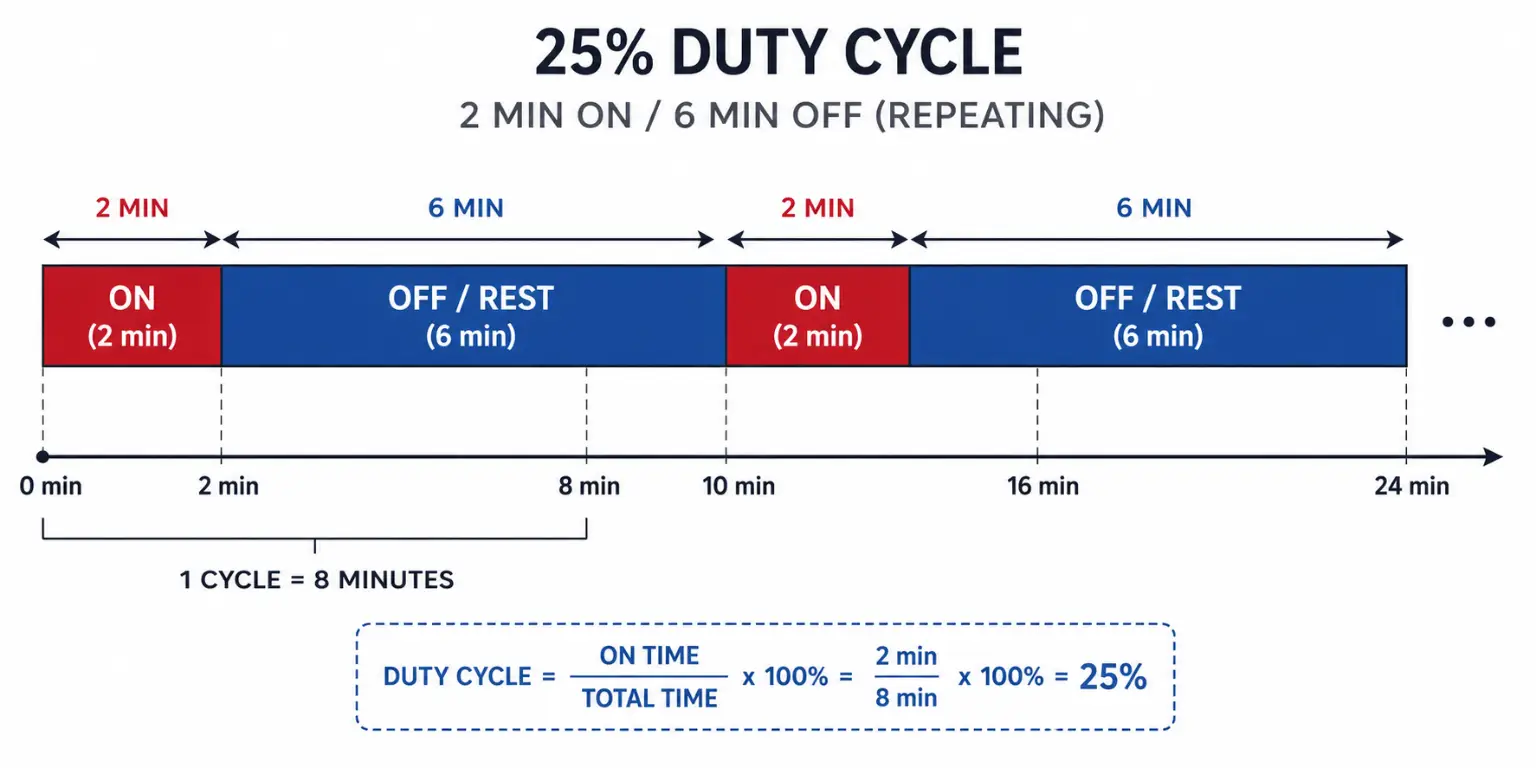
Duty Cycle (%). The percentage of time the actuator can run before it needs to cool down. A 25% duty cycle — typical for most consumer-grade 12V actuators — means 2 minutes of continuous operation followed by at least 6 minutes of rest. Exceed this and the motor overheats. Insulation degrades. The actuator fails. Permanently. This one spec kills more actuators than any manufacturing defect.
Read 12V Actuator Specs Like an Engineer — Not a Shopper
Most actuator reviews treat specs as a menu — bigger numbers are better, and the “winner” is whichever actuator packs the most impressive-looking stats per dollar. An engineer reads specs differently. Behind every number are three questions: How was this measured? Under what conditions does it degrade? And does the supplier have test data to prove it?
If you walk away from this section with nothing else, walk away with those three questions. They’ll serve you better than any five-star rating.
Force Ratings: Static Hold vs. Dynamic Load
The most misleading number in the 12V actuator world is the force rating. Here’s why.
Static hold force is what the actuator can resist without back-driving when fully extended and powered off — like holding a hatch open against gravity. Dynamic load is what it can actually push while the motor is running. Dynamic load is always lower, typically 60-70% of the static rating, because the motor has to overcome both the external load and the internal friction of the gear train.
A 6000N static rating sounds impressive. But if the dynamic load is only 2000N and your application needs 2200N of pushing force, that actuator will stall — regardless of what the headline number says.
How to spot the difference: a proper datasheet lists both rated load (dynamic) and max static load as separate lines. A listing that only gives one force number — especially one that sounds too good for the price — is almost certainly quoting static. Treat it with skepticism.
Speed Numbers: No-Load vs. Real-World Performance
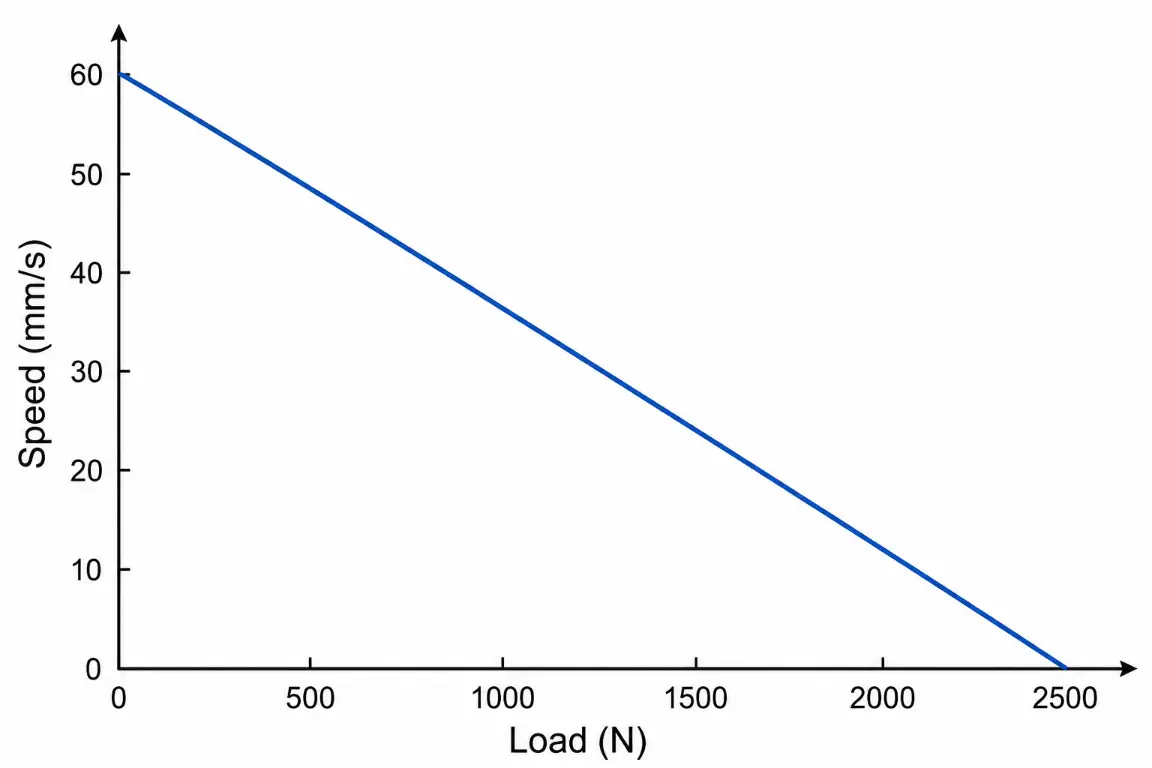
The speed printed on the box is the no-load speed — how fast the actuator extends when it’s pushing nothing. Add a load, and speed drops. Add a heavy load, and it drops a lot.
The relationship is roughly linear: a typical 12V actuator that does 14 mm/s unloaded might do 9-10 mm/s at 50% of its rated load, and 7-8 mm/s at 80% load. A 6-inch stroke that takes 11 seconds unloaded could take 22 seconds under full load. If your application cycles frequently, that difference adds up fast.
The practical takeaway: if speed matters to your project, buy an actuator rated for more force than you need, so you’re operating in the flat part of the speed-load curve. A 3000N actuator pushing 1000N will run much closer to its rated speed than a 1500N actuator pushing the same load.
IP Ratings: Why IP65 on Paper Isn’t Waterproof in Real Life
Browse the user reviews on any outdoor-rated actuator and you’ll find the same complaint: “It says IP65 but water got in and the gears rusted.”
The disconnect is in the testing standard. An IP65 rating means the actuator survived a 6.3 mm nozzle spraying 12.5 liters per minute at 30 kPa from 3 meters away — for 3 minutes. That’s a car-wash-level spray. It is not a month of rain, mud splatter, freeze-thaw cycles, and condensation.
The real weak point on 12V actuators is the rubber bellows boot that seals the piston rod. Every extension and retraction cycle flexes that boot. After 10,000 cycles — or a year of daily outdoor use — micro-cracks form. Water seeps in. The gears corrode. The actuator dies.
The fix is cheap and simple: a plastic or metal shield over the exposed rod (like a miniature awning) extends the effective outdoor life by 2-3x. For critical outdoor applications, budget an extra $15 for a weather shield and inspect the rubber boot every six months.
Duty Cycle: The Silent Killer of Cheap Actuators
If there’s one spec that separates a $40 actuator from a $200 actuator, it’s not the force rating — it’s the duty cycle.
A standard consumer 12V actuator operates at 25% duty cycle: two minutes on, six minutes off. Push it longer and the motor windings overheat. The insulation on the copper wire breaks down. Eventually the motor shorts internally, and the actuator is dead.
This is fine for a chicken coop door that opens once a day for 15 seconds. It’s a disaster for an automated test fixture that cycles every two minutes across an eight-hour shift. In that second scenario, the actuator spends the last six hours of every day in thermal overload — and fails within weeks.
How to check if you’re exceeding duty cycle: run your actuator under load for two minutes, then touch the housing. If it’s uncomfortably hot (above 60°C / 140°F), you’re overworking it. Either give it longer rest periods, or step up to an actuator with a higher rated duty cycle — industrial-grade units can handle 50-100%, though at a proportionally higher price.
1. How was this measured?
2. Under what conditions does it degrade?
3. Does the supplier have test data to prove it?
Who Actually Makes Your 12V Actuator: The Market Landscape
Here’s something no Amazon review will tell you: most of the 12V actuators sold under different brand names come from the same handful of factories in Zhejiang and Guangdong, China. The brand on the box is often just a sticker. The actuator inside is identical to the one sold under six other names at six different prices.
Understanding who actually manufactured your actuator changes how you evaluate it. The market breaks into three tiers:
| Dimension | E-Commerce Reseller Brands | Specialist Actuator Brands | Factory-Direct Manufacturers |
|---|---|---|---|
| Examples | VEVOR, ECO-WORTHY, DC HOUSE | Firgelli Auto, Progressive Automations, Actuonix | Hoodland, Jiecang, Richmat |
| Manufacturing | Outsourced, multiple factories | Partial in-house + contract manufacturing | Full in-house (molds, machining, assembly, QC) |
| Certifications | Few or none independently verified | CE, RoHS (brand-level) | CE, RoHS, ISO 9001 (factory-level) |
| Customization | None (off-the-shelf only) | Limited (select options on certain models) | Full (force, speed, stroke, mounting, wiring, connectors) |
| Quality Docs | None per unit | Batch consistency reports | Per-unit test data reports |
| After-Sales | Platform returns (30-day) | Brand warranty (1-2 years) | Factory-direct warranty + engineering support |
| Typical Price (6-inch, 1500N) | $30–50 | $60–100 | $40–80 |
| Best For | One-off DIY projects, low stakes | Repeat buyers who trust a brand name | Prototypes, small-batch production, custom specs |
The right tier depends on your project. If you’re building a single chicken coop door opener and you don’t mind replacing it in two years, the e-commerce tier works. If you’re prototyping a product you plan to manufacture, the factory-direct tier gives you something the others can’t: a conversation with the people who design and build the actuator, not just the people who ship it.
Best 12V Actuator Picks by Application
There is no “best 12V actuator” in absolute terms — only the best actuator for your specific application. A high-speed, low-force actuator that’s perfect for a TV lift is useless on a solar tracker. A heavy-duty, IP67-rated unit that survives outdoor winters is overkill — and painfully slow — for a standing desk.
The right question isn’t “which actuator is best?” It’s “which actuator matches what I’m actually building?”
Home Automation and DIY Projects
What you’re building: TV lifts, standing desk conversions, chicken coop doors, cabinet lifts, hidden compartments, cosplay props.
What matters: Moderate force (100–330 lbs / 500–1500N is plenty for 90% of projects), reasonable speed (you don’t want to wait 30 seconds for your TV to rise), low noise (below 55 dB — you’ll hear it in a living room), and a price that doesn’t hurt.
What to look for: 12V DC actuators in the 1000N–1500N range with 6–12 inch stroke. The high-speed variants (0.6 in/s, ~14 mm/s) are worth the small premium for anything that moves in front of people. Built-in limit switches are a must — they prevent over-extension and protect the motor.
A 1500N, 6-inch unit at 14 mm/s with IP54 protection covers most home projects comfortably. If noise is critical (bedroom, home theater), verify the dB spec — ideally below 50 dB — rather than trusting “quiet” marketing language.
Outdoor, Agricultural, and Automotive
What you’re building: Solar panel trackers, snowblower chute controls, UTV dump bed lifts, greenhouse vent openers, livestock feeder gates, boat hatches.
What matters: Weatherproofing above everything. IP65 minimum, IP66 or IP67 strongly preferred. Force requirements are higher (typically 3000N / 675 lbs or more). Speed is secondary — reliability is everything. Nobody wants to swap actuators in February.
What to look for: 3000N+ rated actuators with honest IP66+ ratings. Stainless steel mounting brackets rather than zinc-plated. A rubber boot that looks thick — not the tissue-thin bellows on budget units. And critically: add a simple weather shield over the exposed rod. Even IP67 actuators benefit from not having rain land directly on the rod seal.
Real-world tip from the forums: users who spray their outdoor actuators with a corrosion-protection coating (like Boeshield T-9 or ACF-50) and inspect the rubber boot every six months report multi-year reliability. Users who install and forget report failures within 12-18 months. The difference is ten minutes of maintenance twice a year.
Light Industrial and Equipment Integration
What you’re building: Automated test fixtures, packaging machine assists, conveyor diverters, adjustable workstations, prototyping jigs for a product you plan to manufacture.
What matters: This is where you stop thinking like a consumer and start thinking like a buyer. You need predictable cycle life data, not star ratings. You need to know whether the actuator you test today will be identical to the one you order in six months. And you probably need a spec that isn’t on the standard menu — a non-standard stroke length, a different mounting hole pattern, a specific feedback signal.
What to look for: A supplier who can give you three things: a datasheet with load-life curves (not just a product page with bullet points), a sample for testing within two weeks, and the ability to customize. Ask pointed questions: “What happens when this actuator stalls — does it have current limiting?” “Can I get a different connector or cable length?” “Who answers technical questions — a sales rep or an engineer?”
This is also the tier where factory-direct sourcing makes more sense than buying off Amazon. When you’re ordering 50 or 500 units, you want to talk to the people who own the molds and the assembly line — not a brand that drop-ships from a different factory every quarter. A manufacturer with in-house machining, injection molding, and controller development can adjust specs without sourcing from third parties — which means shorter lead times, consistent batch quality, and real customization rather than “pick from our catalog.”
Need a spec that isn’t on the standard menu?
Quiet and Precision Applications
What you’re building: Medical beds, massage chairs, photo/video sliders, conference room display lifts, ergonomic workstations in noise-sensitive environments.
What matters: Noise — measured, not claimed — is the #1 spec. Anything above 55 dB is audible and annoying in a quiet room. Smooth, jitter-free motion is #2: a jerky actuator on a camera slider ruins the shot. For multi-actuator setups (like a four-leg lifting desk), synchronized control is #3.
What to look for: Actuators with verified noise ratings below 50 dB at full load — not just “quiet operation” in the marketing copy. Hall-effect sensor feedback enables precise position synchronization across multiple actuators (accuracy within ±0.5 mm). The housing should be sealed well enough to handle cleaning products if the application is medical (alcohol-based disinfectants can degrade certain plastics and rubber seals).
The premium for true silence and smooth motion is real — expect to pay 50-100% more than a standard consumer actuator. For medical and professional applications, it’s worth it. For a garage workbench that lifts once a week, it’s not.
What Real Users Report: The Good, the Bad, and the Fixable
After reading hundreds of user reviews across Amazon, forums, and YouTube, a clear pattern emerges: most actuator failures are not random manufacturing defects. They’re predictable — and preventable.
The success pattern. Users who size their actuator with a comfortable margin (buying 3000N when they need 2000N), align the load properly (no side-loading), protect the unit from direct weather exposure, and respect the duty cycle report years of trouble-free operation. Multiple users have actuators running after 2-3 years of outdoor use on snowblower chutes, UTV beds, and solar trackers — with nothing more than occasional spray-coating and boot inspection.
The failure pattern has four recurring themes:
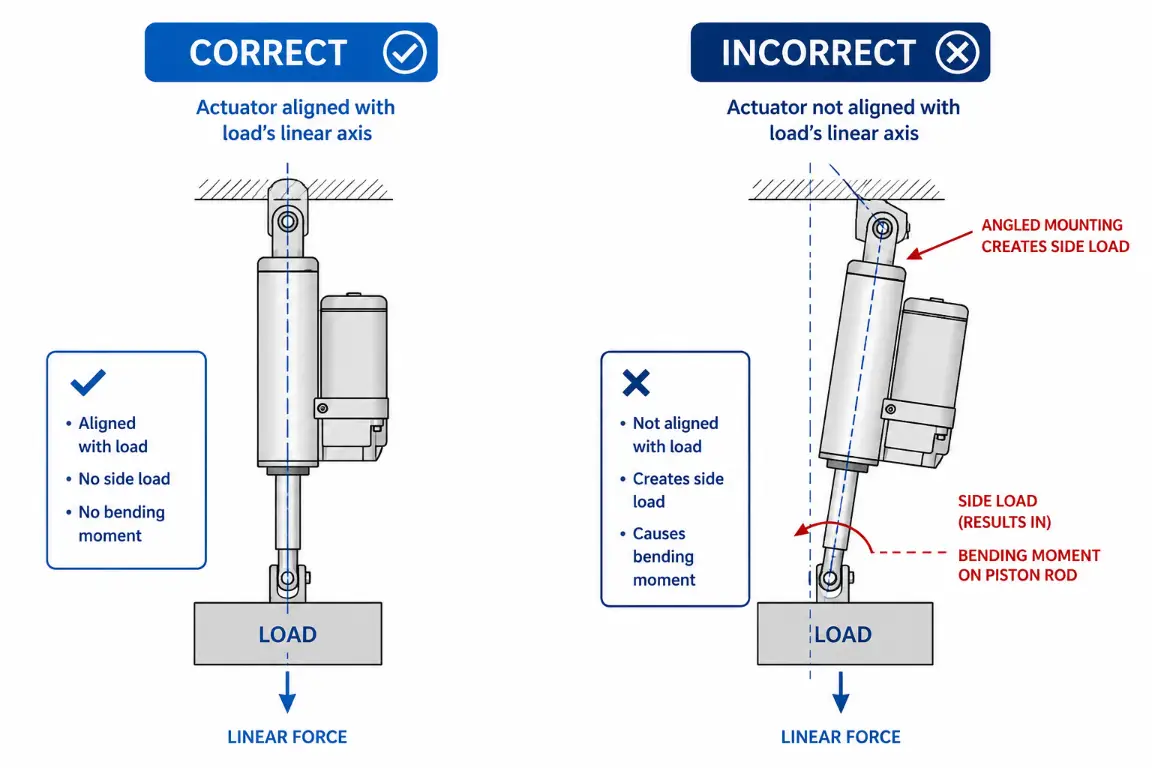
- Bent aluminum shafts. Root cause in 90% of cases: side-loading. The actuator wasn’t mounted in line with the load path, so the rod took a bending moment it was never designed for. Fix it by aligning both mounting points on the same axis, and using a guide rail if the load isn’t perfectly linear.
- Water ingress despite IP ratings. Root cause: micro-tears in the rubber bellows boot after thousands of extension cycles. This isn’t a defect — it’s a known wear mechanism that good maintenance catches before it becomes a failure. Fix it with a weather shield plus a boot inspection every six months.
- “Too slow” complaints on standard-speed models. Root cause: buyers didn’t account for the speed drop under load. A 5 mm/s actuator pushing near its rated capacity can take 30 seconds to extend 6 inches. Fine for a chicken door. Maddening for a TV lift. Fix it by buying high-speed variants and oversizing the force rating if speed matters.
- Broken mounting brackets. Root cause: user-fabricated brackets that are too thin, poorly welded, or don’t distribute the actuator’s force into the structure. The actuator is stronger than the bracket — and when the bracket fails, it looks like the actuator failed. Fix it by matching bracket material thickness to the actuator’s force rating, and bolting into structure, not sheet metal.
- Size your actuator with a comfortable margin — buy 3000N when you need 2000N
- Align the load properly — no side-loading, both mounting points on the same axis
- Protect from direct weather exposure and respect the duty cycle — years of trouble-free operation reported
- Bent shafts from side-loading — the #1 cause of premature actuator failure
- Water ingress through micro-tears in the rubber bellows boot — a known wear mechanism, not a defect
- Speed disappointment from not accounting for speed drop under load — oversize the force rating if speed matters
Your 12V Actuator Selection Checklist
You’ve made it through the specs, the market landscape, and the real-world failure patterns. Here’s the one-page checklist that turns all of that into a decision:
- Load: What’s the actual force you need to push or pull? Multiply by 1.5 (indoor/intermittent) or 2.0 (outdoor/frequent). Then verify whether the actuator’s rating is dynamic or static — if static only, divide by 1.5 before comparing.
- Stroke: Measured travel distance + 20 mm margin for mounting tolerance. Remember: the actuator’s retracted length must fit your available space.
- Speed: If your application cycles frequently or faces people, can you tolerate 5 mm/s? If not, filter for high-speed variants and oversize the force rating to keep speed under load.
- Environment: Indoor/clean → IP54 is fine. Outdoor/covered → IP65 minimum. Outdoor/exposed → IP66+ plus a weather shield. Medical/washdown → IP67+ plus chemical-resistant seals.
- Duty Cycle: Will this run more than 2 minutes continuously? If yes, you need more than the standard 25% — budget for an industrial-grade unit with higher duty cycle, or add active cooling.
- Power Supply: Your 12V DC power source must deliver at least the actuator’s stall current × 1.3, per actuator. Two actuators = double the current capacity. Undersized power supplies cause undervoltage, which causes overheating, which causes failure.
- Mounting Alignment: Both mounting points must be on the same load axis. More than 5° of misalignment dramatically shortens bearing and rod seal life. If you can’t achieve alignment, add a clevis mount or rod-end bearing to decouple angular movement.
- Supplier Check: Are you buying from a reseller or a manufacturer? If you need a spec that isn’t on the standard menu, skip the Amazon listing and go factory-direct. Ask for a datasheet with actual test data, not just marketing bullet points.
The right 12V linear actuator isn’t the one with the highest star rating or the lowest price. It’s the one that matches your load, your environment, and your duty cycle — and comes from a supplier who can back up their spec sheet with documentation, not just promises.
Where you buy matters as much as what you buy. If you’re working on a project that needs a specific stroke length, a custom mounting pattern, or the confidence that the actuator you test today will be the same one you receive in six months, a factory-direct supplier with in-house engineering and a 2-year warranty is worth the conversation. In many cases, the per-unit cost difference between Amazon and factory-direct is smaller than the cost of one failed actuator in the field.
Get a Specification That Matches Your Project
Our application engineers review your requirements and respond with a detailed proposal within 12 hours.
Start Your ProjectReferences
- Actuonix. “How Long Do Linear Actuators Last?” https://www.actuonix.com/how-long-do-actuators-last
- Firgelli Automations (Robbie Dickson). “Linear Actuator Questions OEM Engineers Ask Before Choosing a Supplier.” 2026. https://www.firgelliauto.com/en-nz/blogs/actuators/linear-actuator-questions-oem-engineers-ask-before-choosing-a-supplier
- Hoodland — Linear Motion Solutions. https://www.thehoodland.com/
- Hoodland — About Us (Manufacturing & Certifications). https://www.thehoodland.com/about-us/
- Hoodland — Contact & Support. https://www.thehoodland.com/contact-us/

 English
  Chinese