
A powered patient lift that stalls mid-transfer turns an ordinary morning into an emergency. The caregiver is holding the sling strap, the person being lifted hangs a foot above the bed, and the machine goes quiet. Most of those moments trace back to one small component: a tired battery, a worn hand control, or an actuator that finally quit. Knowing which part failed, and what to order, is the difference between a repair worth doing and a machine worth replacing. The sequence below follows how failures actually happen, from battery to sling, so you can stop at the right layer instead of replacing parts at random.

Start With the Failure, Not the Catalog
One clarification before anything else. This article is about patient lifts: the floor-standing machines that move a person between a bed, a chair and a toilet using a sling. It is not about elevators, and not about lift chairs, the recliners that tilt a seated person up. The parts, prices and checks below belong to the first category only.
When a lift refuses to raise, the failure lives somewhere in a short chain: battery, charger, hand control, controller, actuator. Search results tend to answer this with “contact your dealer”. What you actually need is an order of checks, because the chain fails unevenly. Batteries fail first and most often. Actuators are the expensive failure. Controllers and hand controls sit in between, and they mimic each other’s symptoms.
Run the checks in this order:
Five checks, from battery to actuator
- 1
Battery
Confirm charge level and terminals. Pass looks like a solid charge indicator and clean terminals. Fail looks like a light that dies the moment you press rise, which points to a battery that no longer holds load.
- 2
Charger
Confirm the charger delivers output. Pass looks like a charge lamp that stays lit for hours. Fail looks like a lamp that never turns green or a pack that drains overnight despite charging.
- 3
Hand control (pendant)
Press each button and watch the indicator. Pass looks like a lit indicator and a response at the motor. Fail looks like dead buttons with the lift otherwise powered, which points at the pendant or its cable.
- 4
Connectors and wiring
Unseat and reseat every plug between pendant, controller and actuator. Pass looks like restored motion after reseating. Fail looks like intermittent response that changes when you wiggle a connector.
- 5
Actuator or pump
Listen. A hum with no movement means the motor receives power but the drive has failed. Silence with a lit pendant means the fault sits upstream in the controller.
One safety note belongs here, not in a footnote. If a lift stops while a person is in the sling, do not keep pressing buttons. Many electric lifts include a manual emergency lowering function; learn where yours is before you need it, and get a second person to the scene. Controlled descent beats a stalled transfer every time.
Six Assemblies, Two Lifespans
Every electric patient lift, whatever the brand printed on the mast, is built from six assemblies. The actuator converts battery power into the pushing force that raises the boom. A hand control, usually called a pendant, sends your commands, and the controller behind it interprets them and drives the actuator. Power comes from the battery and charger, which store and deliver the 24-volt supply almost every electric lift runs on. The person rides on the sling, its straps and the pivot pins on the boom. Mast, boom, base and casters carry the load and let you position the machine.
These six assemblies age at two very different speeds. Batteries, slings, chargers and pendants are consumables: they wear out on a schedule measured in months and are designed to be swapped. The mast, boom and base are structural: they should last the life of the machine, and a failure there is rare and serious.
Patient lift assemblies: consumable or structural
| Assembly | What it does | Consumable or structural | Typical first sign of wear |
|---|---|---|---|
| Actuator | Converts battery power into lifting force | Consumable (expensive tier) | Slower rise, hum without movement |
| Pendant (hand control) | Sends commands | Consumable | Dead buttons, damaged cable |
| Controller | Interprets commands, drives actuator | Consumable | Lights on, no motion |
| Battery | Stores the 24V supply | Consumable (highest frequency) | Charge drains fast, weak lift |
| Charger | Recharges the battery | Consumable | Lamp never green, overnight drain |
| Sling, straps, pivot pins | Holds the person | Safety consumable | Fraying, torn stitching, deformed buckles |
| Mast, boom, base, casters | Carry and position the load | Structural | Cracked welds, bent mast (rare) |
Hydraulic lifts break this pattern in one way. A manual hydraulic lift has no battery, pendant or actuator; its working parts are a hydraulic pump and a release valve. Everything from here on concerns the electric chain, because that is what the replacement-parts market actually stocks.
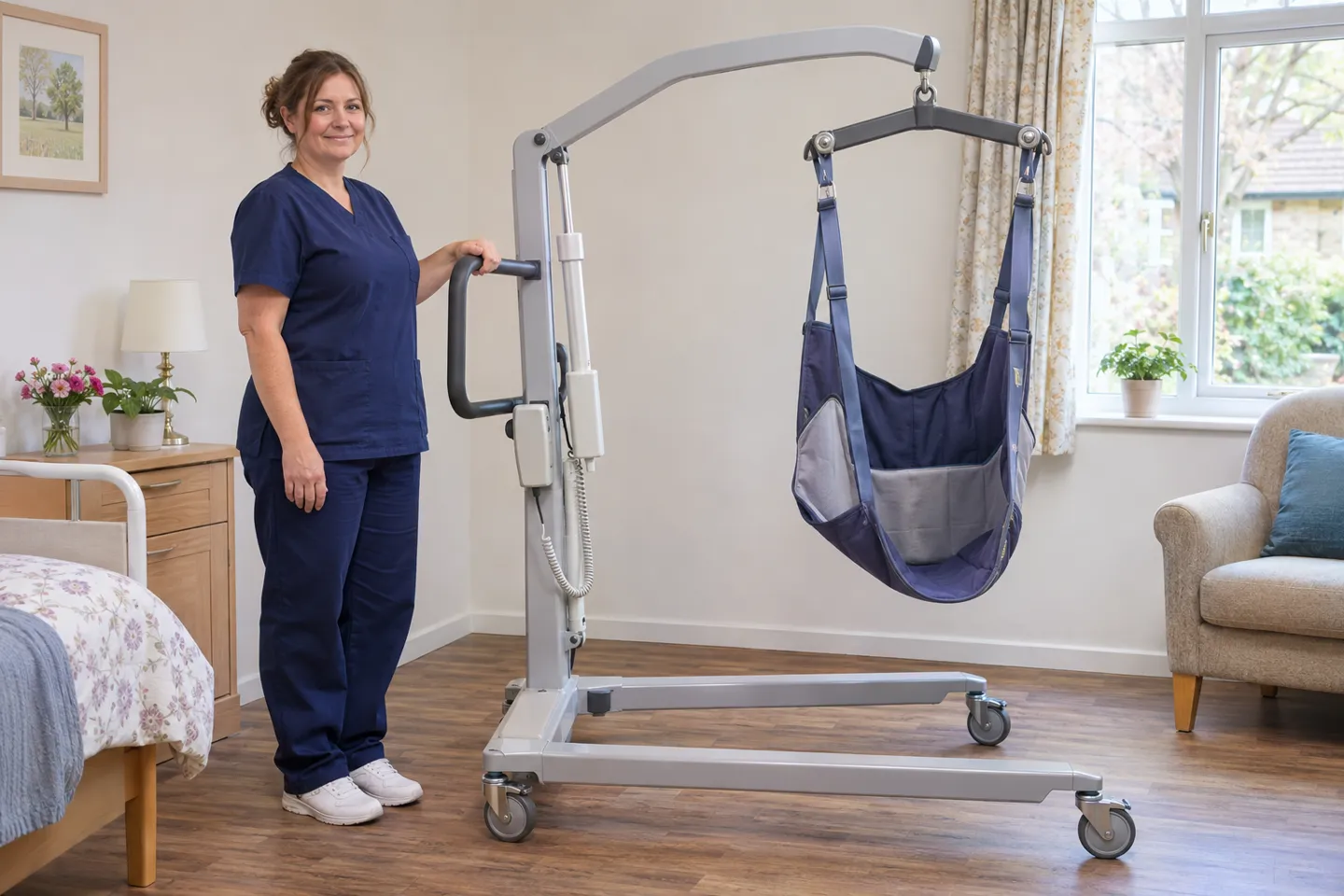
Where Lifts Actually Fail: The Chain, Layer by Layer
The four layers below cover nearly every “my lift stopped working” call. Each layer lists what failure looks like, how to confirm it, and what a replacement must match.
Layer 1: Battery and Charger
The battery is the most frequent failure in the chain, and the cheapest to fix. Most electric lifts run a 24-volt pack; a common example is the Invacare Reliant pack listed at 24V 2.9Ah, with a full charge taking roughly six hours (Dansons Medical, 2026). The classic dying-battery symptom is reduced lifting power: the lift struggles to raise a load it used to handle easily. That is why dealer service guides list weak lifting as the first sign of battery failure (Reliable Ramps, 2026).
Confirm it by elimination. If the charge lamp behaves but the lift dies under load, the pack has lost capacity. If a fully charged pack still runs weak, test the charger’s output or swap in a known-good pack before ordering anything.
One layer of this problem is design, not wear. Biomedical technicians replacing batteries in Arjo Sara 3000 and Maxi lifts describe battery cases with no visible screws that resist opening. The swap they describe had to happen with a patient already on the lift (r/BMET, 2025). Same battery size, very different service experience. When you buy a machine, check that the battery swaps with no tools; when you buy a battery, match voltage and terminal layout first.
Layer 2: Pendant and Controller
The pendant and the controller fail in ways that look identical from the outside: the lift has power but ignores you. Split them with the indicator light. A dark pendant on a powered lift points at the pendant, its cable or the main fuse. A lit pendant that triggers nothing points at the controller or the wiring between the boxes.
Check the cheap thing first. Unseat and reseat every connector in the chain; corrosion and loose pins cause a meaningful share of dead-pendant calls. When the board itself burns, the lift is usually old and the fix is real money. One home user repairing an Invacare Reliant 250 documented a failed control board on an otherwise mechanically sound machine (r/AskElectronics, 2021). Dealers list Reliant controller replacements around $330 and pendants around $125 (Dansons Medical, 2026), which is exactly why the connector check comes before the board order.
Layer 3: The Actuator (or the Pump)
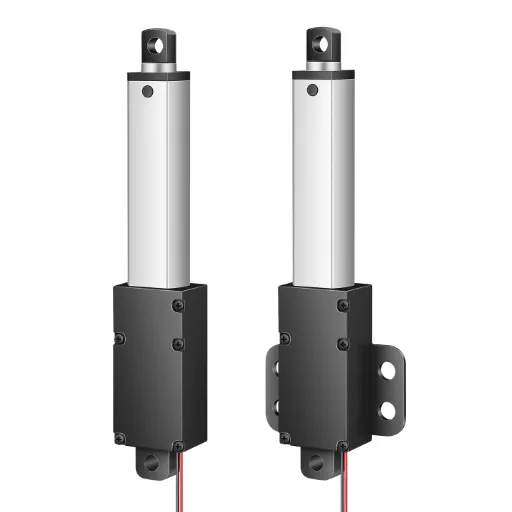
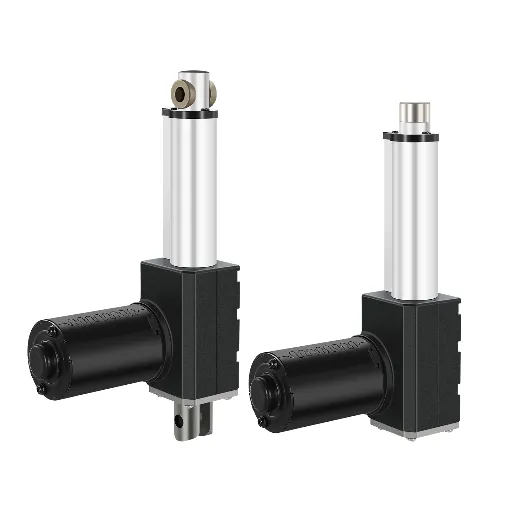
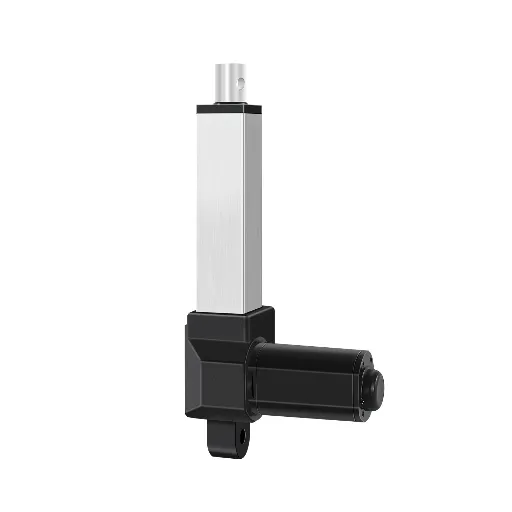
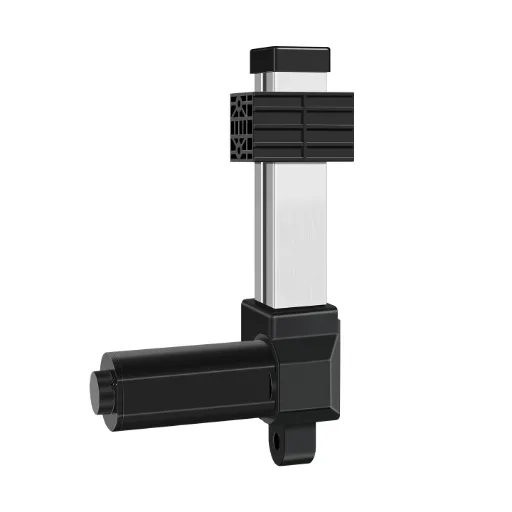
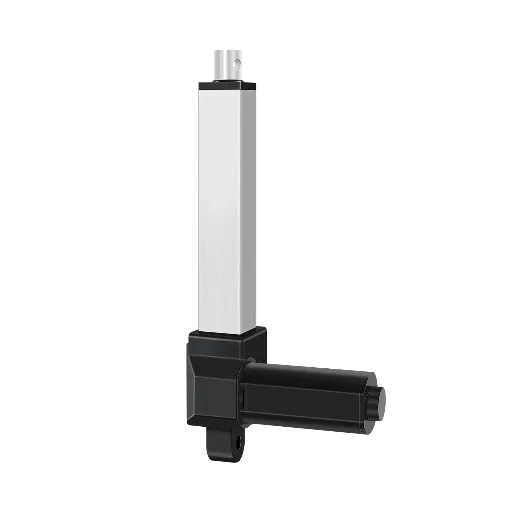
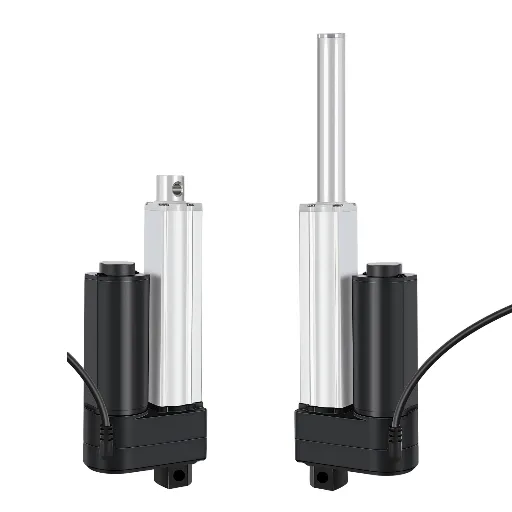
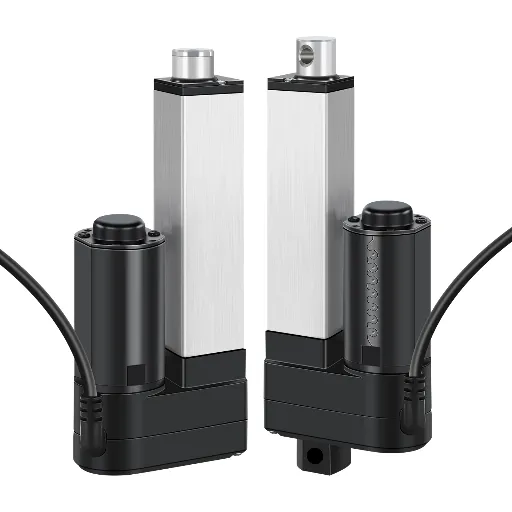
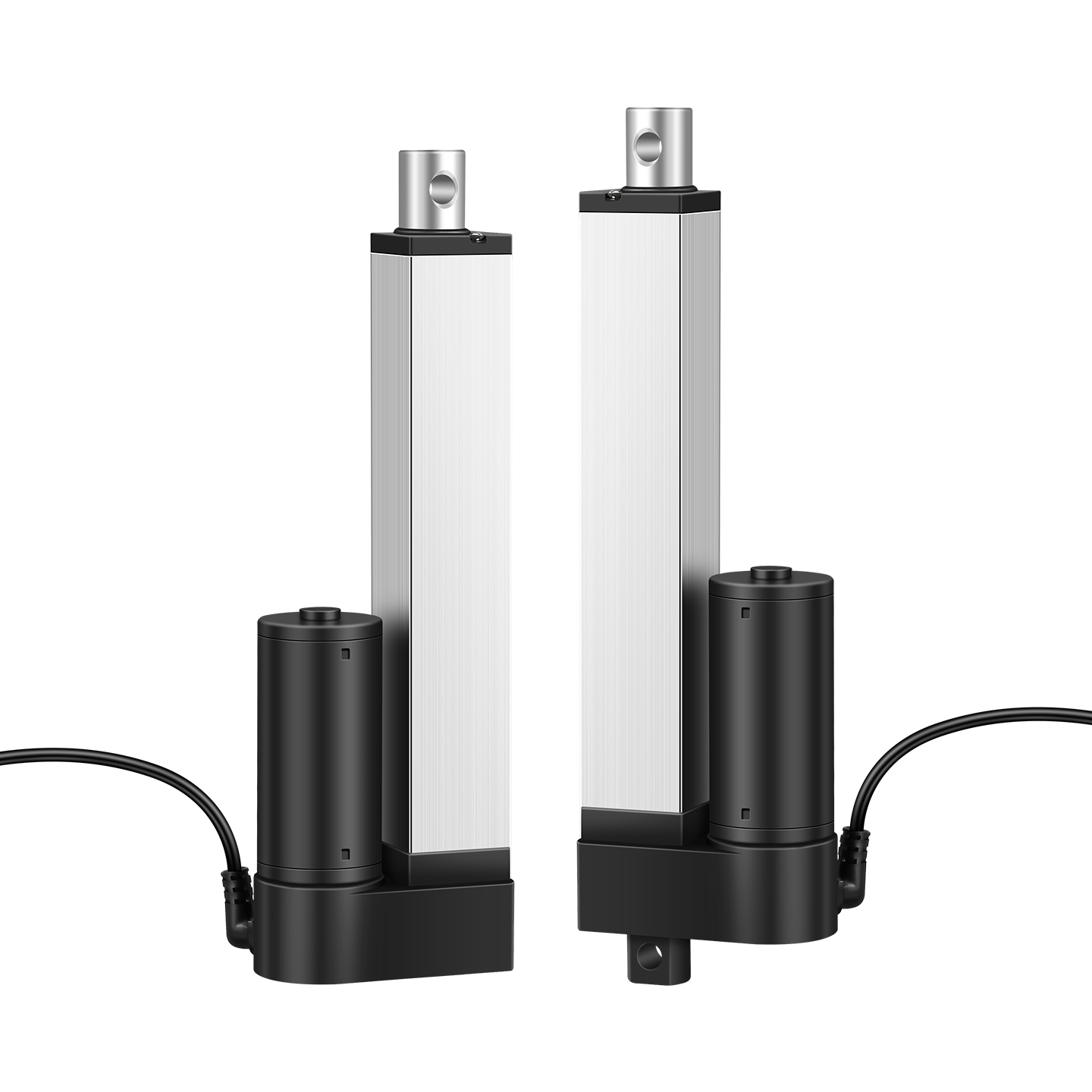
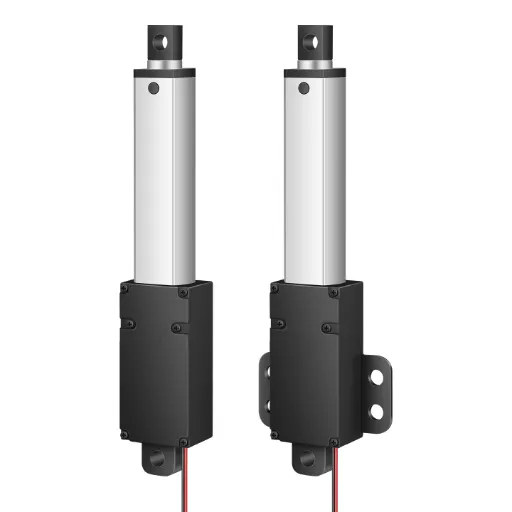
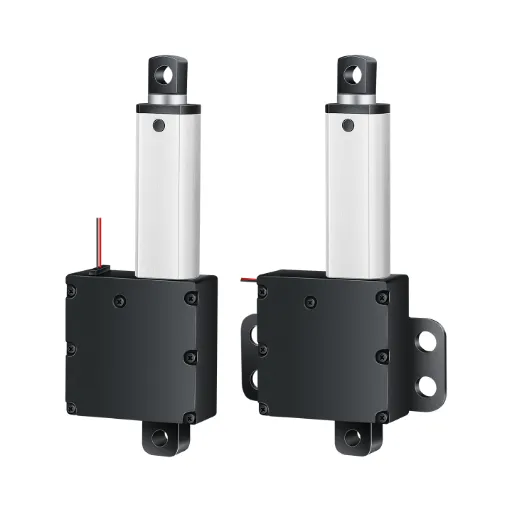
The actuator is the chain’s expensive wear part: it converts 24V electricity into the linear push that raises the boom. Its failure signatures are distinct. A hum with no movement means the motor spins but the drive has failed. A rise that stops halfway points to thermal protection or a failing drive. A noticeably slower rise with normal sound usually means the battery sagging under load, not the actuator, which is why Layer 1 comes first.
Replacing an actuator is not a one-number decision. Actuators in this class push in the 1,200 to 2,500 newton range for common weight classes. Generic replacements for specific lift models list around $438.99 for a ProHeal 33350 (ProHeal Products, 2026) and $442.50 for a Bestcare PL350CT (All Points Medical, 2026). A part with the right thrust but the wrong stroke or pin spacing simply does not fit, and the hole spacing is the detail catalogs most often leave out.
The actuator fit contract
Thrust
Match the rating plate value.
Stroke
Measure the travel, end to end.
Voltage
Match the 24V rail.
Interface
Measure pin spacing, hole to hole.
Hydraulic lifts have no actuator. Their equivalent failure lives in the pump and release valve, a mechanical repair rather than a parts swap.
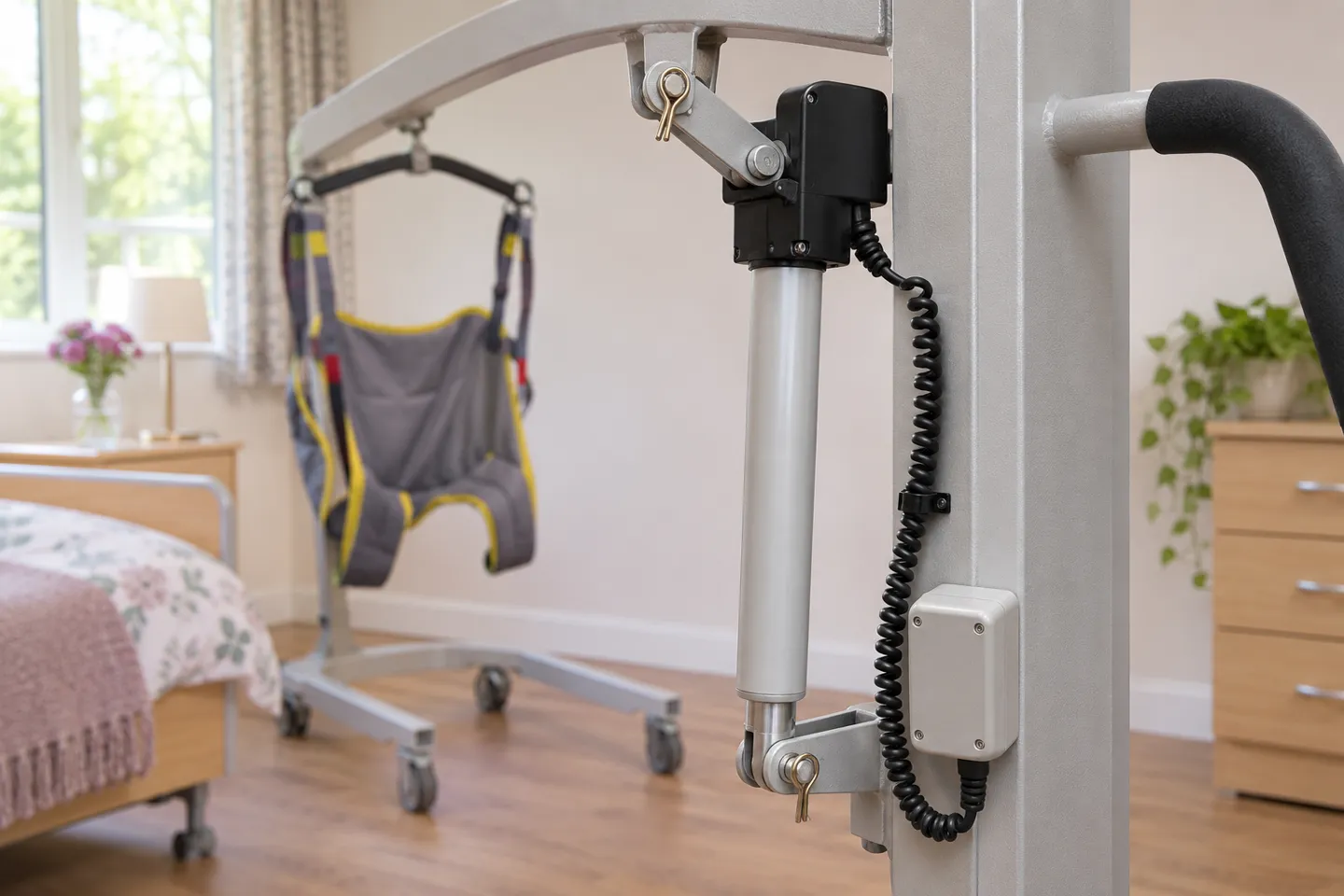
Layer 4: Sling, Straps and Pivot Pins
This layer fails least often and matters most. Slings, their straps and the boom’s pivot pins are the parts that hold the human being. They are also wear parts: fabric frays, stitching tears, buckles deform. The inspection standard is visual and unforgiving: any cut, tear, broken stitch or deformed hardware retires the part immediately. Injury litigation around defective lifts consistently names design flaws and missed maintenance together as the causes (Justice4You, 2026). That is why this layer has no repair option anywhere in this guide.

Structural parts, the mast and boom, sit at the end of this layer’s spectrum. Failure there is rare, but a cracked weld or bent mast takes the whole machine out of service on the spot.
Symptom to layer: quick confirmation map
| Symptom | Likely layer | Confirm by | Replacement must match |
|---|---|---|---|
| Lift dies under load, charges normally | Battery | Swap known-good pack | Voltage, capacity, terminals |
| Charge lamp never turns green | Charger | Measure output or test with second charger | Output voltage, connector |
| Pendant dark, lift powered | Pendant or cable | Reseat connectors, inspect cable | Pendant model or pin-compatible unit |
| Pendant lit, no response | Controller or wiring | Reseat connectors; swap pendant if available | Controller, matching protocol |
| Hum, no movement | Actuator | Check load not jammed; test actuator | Thrust, stroke, voltage, interface |
| Rise stops halfway | Actuator or battery | Battery test first | Thrust, stroke, voltage, interface |
| Visible sling damage | Sling and hardware | Retire immediately | Certified sling, same attachment style |
Generic vs OEM Parts, and the Repair-or-Replace Line
Dealers sell certified manufacturer parts, and their listing language says so (New Leaf Home Medical, 2026). At the same time, a generic replacement market thrives on model-specific fitment, selling third-party actuators and batteries built for particular lift models. Both facts are true, and neither answers the question you actually have: when can a generic part go into your machine, and when should it not?
Where Generic Parts Work, and Where They Do Not
A generic part is safe when its electrical and mechanical interface matches the original, and the machine is out of warranty. It is the wrong call when the machine is under warranty. It is also the wrong call when the part communicates with other components through a proprietary protocol, or when the part is on the lifting path. The matrix below turns that line into checks you can make before ordering.
Generic vs OEM: the boundary matrix by assembly
| Assembly | Generic works when | Stay OEM when | Check before ordering |
|---|---|---|---|
| Battery | Voltage, capacity and terminal layout match; machine out of warranty | Machine under warranty | Measure terminal spacing and polarity; verify Ah rating |
| Charger | Output voltage and connector match | Charger uses a branded recognition protocol | Test open-circuit output voltage |
| Pendant | Pin definition and button matrix match | Model uses proprietary protocol or weighing/memory features | Match pin diagram or part number |
| Controller | Sold as a set matched to actuator and pendant | Board is model-locked | Replace controller, pendant, actuator as a matched set |
| Actuator | Thrust, stroke, voltage and interface all align | Machine under warranty; model has reworked structure | Measure pin spacing and stroke; verify thrust rating plate |
| Sling, straps, pivot pins | Never generic; use certified parts only | Always | Visual inspection; certification marking |
Two compliance facts back this matrix. Powered patient lifts are regulated medical devices. AC-powered lifts fall under 21 CFR 880.5500 as Class II devices, and hydraulic or battery-powered lifts under 21 CFR 880.5510 (eCFR, 2026; Cornell LII, 2026). The FDA’s product classification for AC-powered lifts lists ISO 10535, hoists for the transfer of disabled persons, as the recognized consensus standard (FDA, 2026). Practically, that means a replacement part is not an ordinary consumer purchase: it inherits the machine’s standard, so buying against specifications is part of the job.
Sling, straps and pivot pins have no generic-vs-OEM decision and no repair-vs-replace decision. They are load-bearing safety parts: any visible damage retires them, and replacements come certified or not at all.
The Repair-or-Replace Line
Public dealer listings let you put numbers on the decision. Right now, US listings show a replacement battery around $300, a charger around $342, a controller around $330 and a pendant around $125 for common Invacare Reliant machines (Dansons Medical, 2026). Replacement actuators list at $438.99 to $442.50 for specific models (ProHeal Products, 2026; All Points Medical, 2026). Set against complete electric lifts listed between $897 and $1,534 (Dansons Medical, 2026), a single actuator or battery is a 20% to 50% purchase relative to the machine.
Two rules complete the line. First, when repair quotes for multiple failing parts start approaching half the price of a comparable new machine, price the machine before ordering the second part. Two consumables plus a controller already cross that mark on the listings above. Second, a machine under warranty takes OEM parts, because a non-original component can hand the manufacturer a reason to decline the claim. Facilities that keep lifts in fleets add a third consideration: documented maintenance. Litigation after lift injuries routinely examines service records, so a repair you cannot document is a repair that did not happen.
The line, in US dealer listings
~$300
Replacement battery
$440-590
Replacement actuator
$897-1,534
New electric lift
Sample prices, US dealer listings, 2026.
How to Order the Right Part the First Time
Wrong-part orders waste weeks, because most returns rest on the model number alone. Machines in the same family but different revisions take different parts. Invacare Reliant 450 listings split controller stock into RPL450-1 and RPL450-2, which are not interchangeable (Dansons Medical, 2026). The suffix is not decoration.
Work down this list before you pay:
The pre-order checklist
Find the full model number and serial number. The plate sits on the mast or base; the serial is more precise than the model.
Note every suffix and revision code on the plate and in the manual.
For actuators, measure stroke and pin spacing with a ruler or calipers, and photograph the thrust rating plate.
Match the four elements in writing: thrust, stroke, voltage, interface.
Confirm the return policy and get the part number confirmed in writing before shipment.
Channels break down the same way the matrix above does. The manufacturer or its authorized dealer covers warranty machines and model-locked parts. Parts specialists and hospital-equipment suppliers stock the broadest model coverage for out-of-warranty machines. Generic-fitment sellers fill the battery and actuator space where interfaces are standardized. After any part goes in, run one empty lift cycle through full rise and lower, and put eyes on the sling before the first transfer.
Ordering an actuator, or speccing one into a machine you build? Send Hoodland your thrust, stroke, voltage and interface targets and get them checked against a real data sheet before you pay.
Get a spec checkWhat Parts Demand Tells Lift Manufacturers
Read the demand side for a moment instead of the repair side. The failure records above cluster in two layers: power (batteries, chargers) and drive (actuators). The public price sample puts single parts at 20% to 50% of a complete machine, which is why a parts market shadows every lift sold and outlives it. The component market is growing on its own. The U.S. patient lift pendant market alone, the hand control that costs $125 at retail, was sized at $178.02 million in 2024 (Grand View Research, 2024). It is projected to reach $435.19 million by 2033, a 9.76% CAGR.
For the companies that build lifts, and the component suppliers behind them, those facts push one conclusion to the front: serviceability is a design input, not an afterthought. A sealed battery case locks the service revenue in and hands the frustration to the facility technician, the same technician who will write the next fleet purchase. A standard 24V rail, a tool-free battery swap and published actuator specs against thrust, stroke, voltage and interface all show up in the spare-parts price list within five years. The same goes for low-noise, soft-start actuation that procurement can specify. The component checklist follows directly from the chain in this article: voltage, thrust, stroke, noise, cycle life, certification. Buyers who hold suppliers to those six items are buying their future service costs down. The FDA’s ISO 10535 recognized standard gives them a baseline to hold suppliers to.
If you build lifting equipment and spec components rather than shop for them, Hoodland builds electric actuators against the same checks this article runs. Our custom actuator specification service takes your voltage, thrust, stroke and noise targets directly, with single-piece orders and no MOQ. Thrust runs from 20N to 6,000N across 6/12/18/24V. Strokes run from 50 to 1,000mm, or up to 2,000mm for special builds, with standard delivery in 3 to 7 days. The electric actuator range lists current specifications openly, the same four-element logic this article recommends for replacements.
Put the four elements into your next actuator spec
Hoodland builds electric actuators against thrust, stroke, voltage and interface targets: 20N to 6,000N thrust, 50 to 1,000mm stroke (2,000mm special builds), standard delivery in 3 to 7 days, single-piece orders with no MOQ.
Request an actuator specificationReferences
- eCFR. “21 CFR 880.5500: AC-powered patient lift.” 2026. ecfr.gov/current/title-21/chapter-I/subchapter-H/part-880/subpart-F/section-880.5500
- Cornell Legal Information Institute. “21 CFR 880.5510: Non-AC-powered patient lift.” 2026. law.cornell.edu/cfr/text/21/880.5510
- U.S. Food and Drug Administration. “Product Classification: AC-powered patient lift (FNG).” 2026. accessdata.fda.gov/scripts/cdrh/cfdocs/cfpcd/classification.cfm?ID=FNG
- U.S. Food and Drug Administration. “Patient Lifts.” 2018. fda.gov/medical-devices/general-hospital-devices-and-supplies/patient-lifts
- Grand View Research. “U.S. Patient Lift Pendant Market Size & Outlook, 2033.” 2024. grandviewresearch.com/industry-analysis/us-patient-lift-pendant-market-report
- r/AskElectronics. “Patient Lift Repair (Invacare Reliant 250 control board failure).” 2021. reddit.com/r/AskElectronics/comments/qa2p7m/patient_lift_repair
- r/BMET. “Arjo Sara 3000 & Maxi Battery replacement.” 2025. reddit.com/r/BMET/comments/1ldqzan/arjo_sara_3000_maxi_battery_replacement
- Justice4You (Brown & Crouppen). “Defective Hoyer Lifts and How They Cause Injuries.” 2026. justice4you.com/defective-hoyer-lifts-and-how-they-cause-injuries
- Reliable Ramps. “7 Signs It’s Time to Replace Your Hoyer Lift Battery.” 2026. reliableramps.com/blogs/resources/hoyer-lift-battery-replacement-signs

 English
 Chinese
 German
 Spanish
 French