
Trusted Linear Actuator Manufacturers: Complete Guide
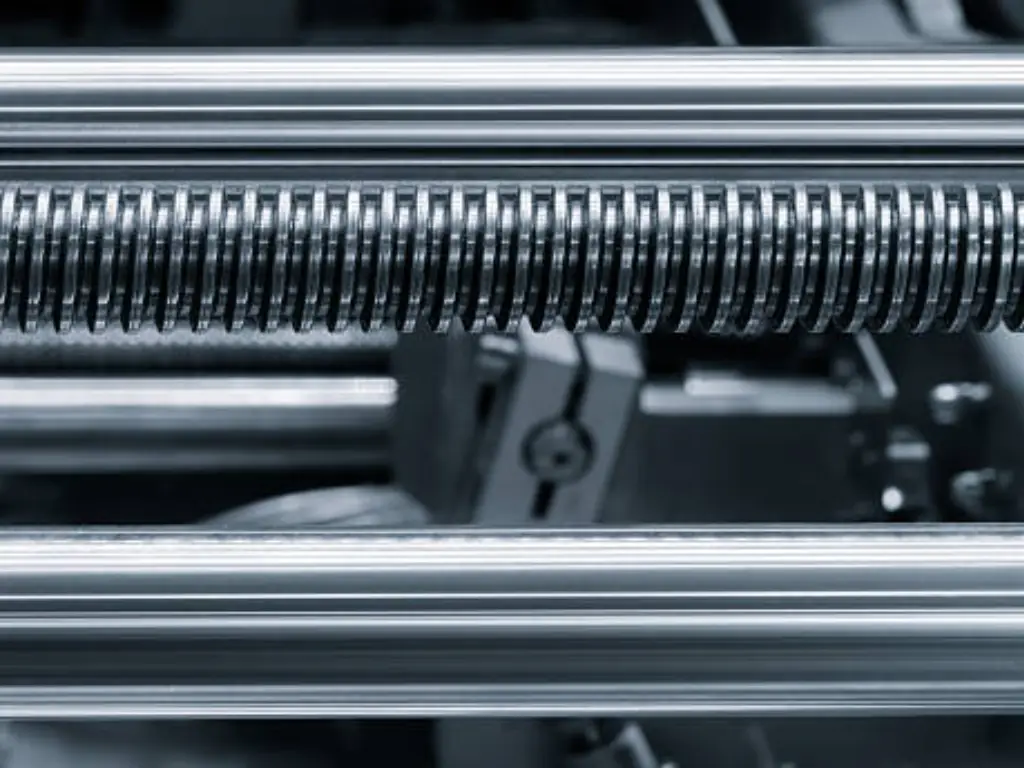
The necessity to possess a more precise, dependable, and effective motion control has never been as great in the era of Industry 4.0 and the scorching advancement of smart home applications. Linear actuators serve as the fundamental “muscles” of automation, converting electrical energy into linear motion across a staggering variety of applications—from the delicate movements of a robotic surgical arm to the brute force required to tilt industrial solar arrays.
Hall Effect vs Potentiometer in Linear Actuators: Which is Better?
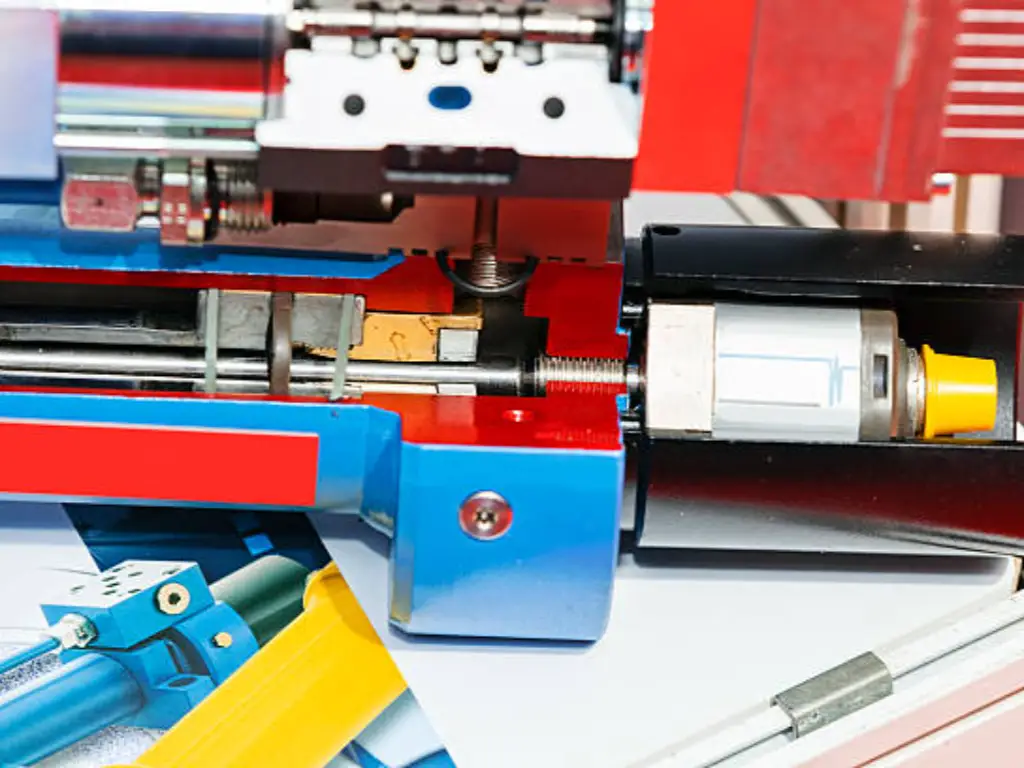
Hall effect is a term that has dominated the recent discussions in the event that you follow consumer electronics. The popularity of the hall effect joystick as a gaming upgrade has been driven by the universal discontent with “stick drift” in PlayStation, Xbox, and Nintendo Switch controllers, which gamers in consumer environments are fed up with due to their unreliable hardware. Nevertheless, this sensor technology controversy goes way beyond the gaming peripheral world.
Rotational to Linear Motion: The Ultimate Guide for Industrial Automation
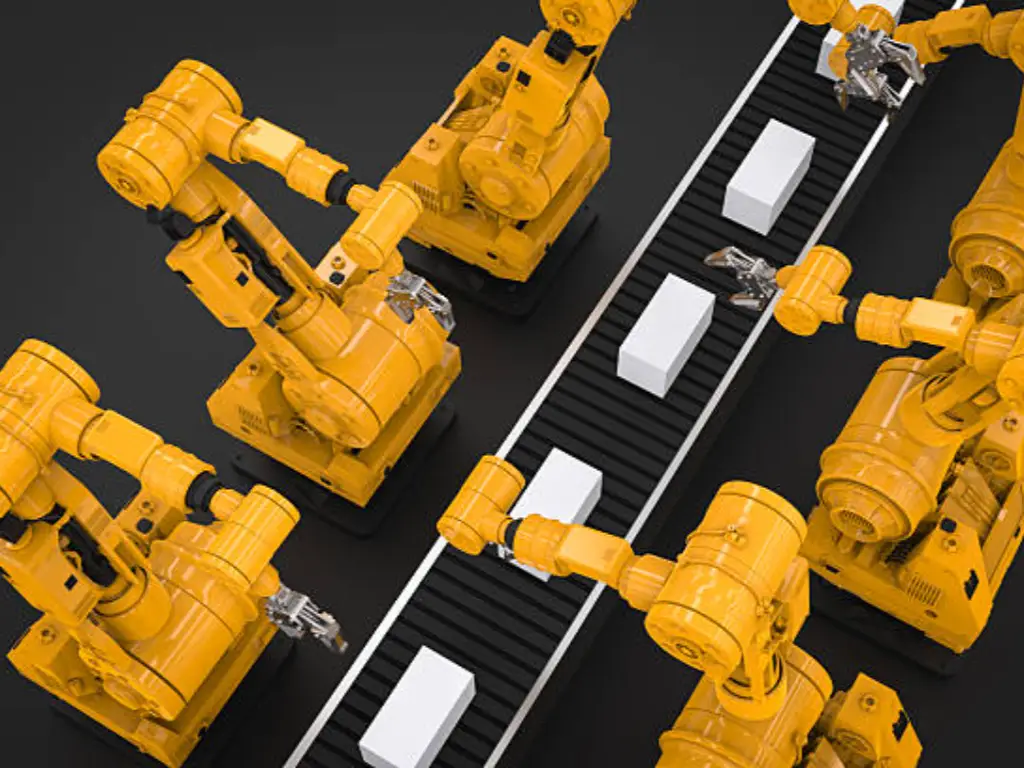
In the modern industrial automation world, a motor forms the basic backbone of virtually all machines. It does not matter whether you are working with a standard AC induction motor, a very fine stepper motor or a high-performance servo drive, the mechanical output is always the same: rotary motion. The real physical work on a factory floor, pushing, pulling, lifting, pressing, cutting and positioning payloads, however, overwhelmingly requires controllable linear motion.
Dynamic Load vs Static Load: Linear Actuator Selection Guide

In the design of a mechanical system, the choice of the appropriate linear actuator is a very important choice that determines the reliability, safety, and durability of the whole machine. It does not matter whether you are developing solar tracking arrays, heavy-duty packaging equipment, or high-precision medical equipment, the forces that are going to act on your parts need to be carefully calculated. The load ratings are among the most important parameters that should be known.
IP67 vs IP68: The Ultimate Waterproof Guide for Linear Actuators & Motion Control
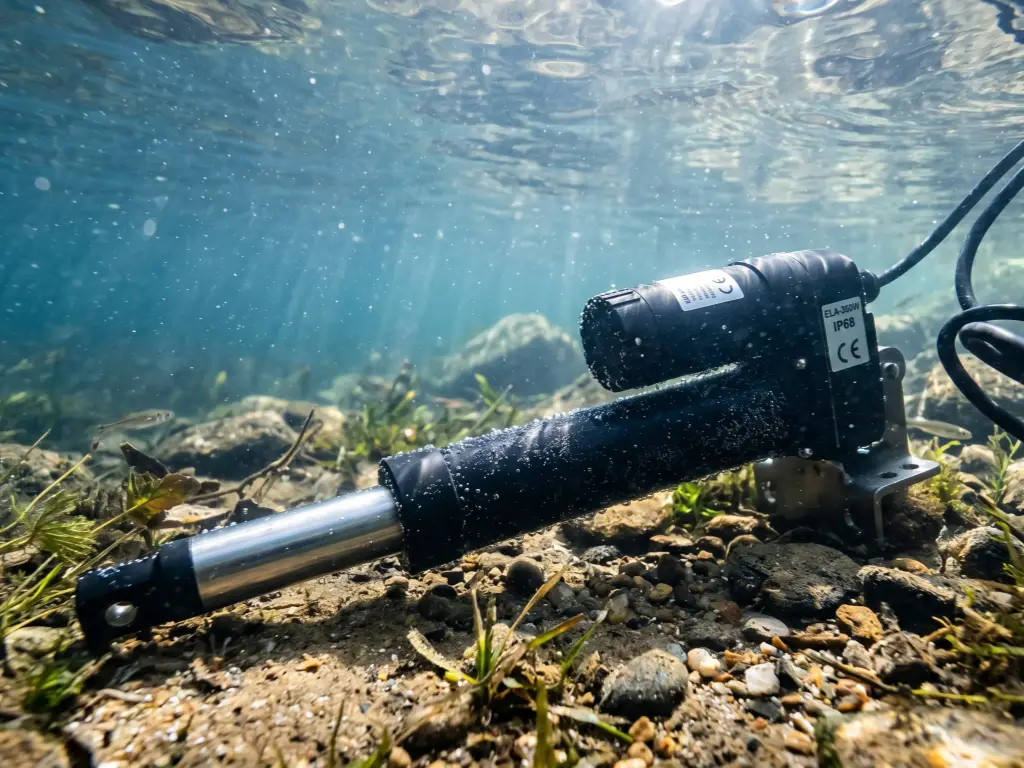
The world of industrial equipment procurement is a complicated environment that cannot be navigated with a simple grasp of technical specifications. To engineers, project managers and B2B buyers, choosing the right environmental protection rating can be the difference between a system that works perfectly over a decade and one that fails disastrously in a few months. In the assessment of outdoor installations or rugged equipment, the discussion is almost always reduced to the ip68 vs ip67 comparison.
Brushless vs Brushed Motor: Ultimate Comparison for Tools, RC & Automation
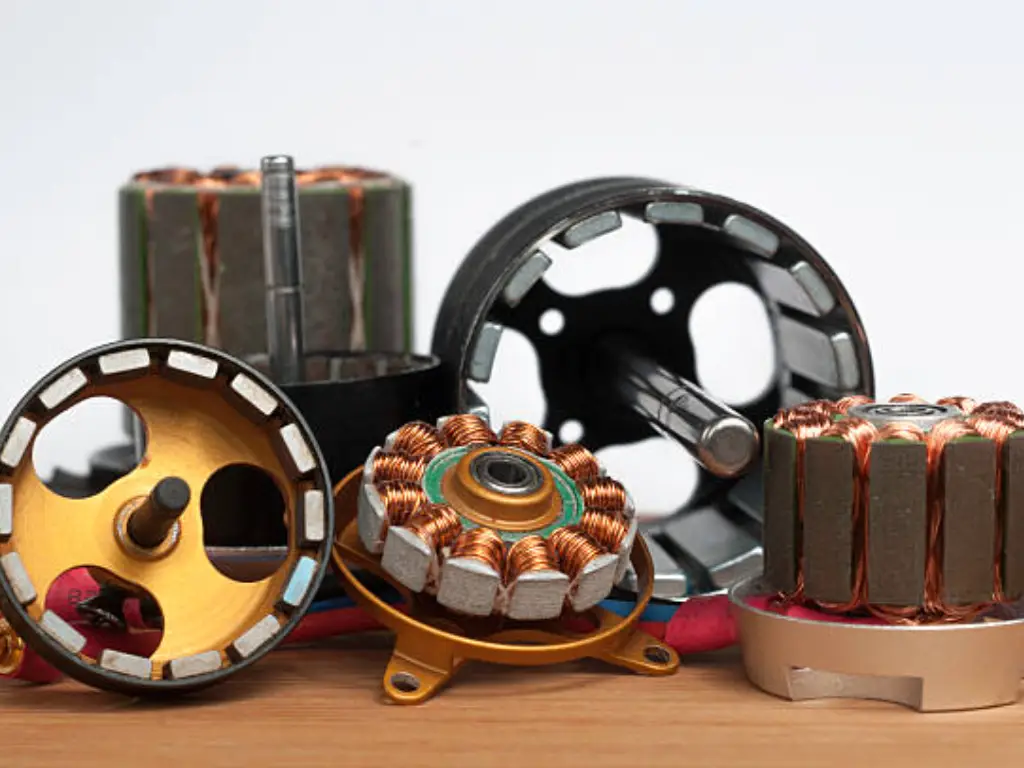
You are probably at a crossroads, in case you are reading this. You are either a professional contractor who wants to upgrade your power tools, an RC hobbyist who is adjusting a drone, or an engineer who is developing the next generation of automated medical beds, one question always comes up in the brushless vs brushed motor debate: Should I use a brushed or a brushless motor?
Overcurrent Protection: The Ultimate Guide for Electromechanical & Automation Systems
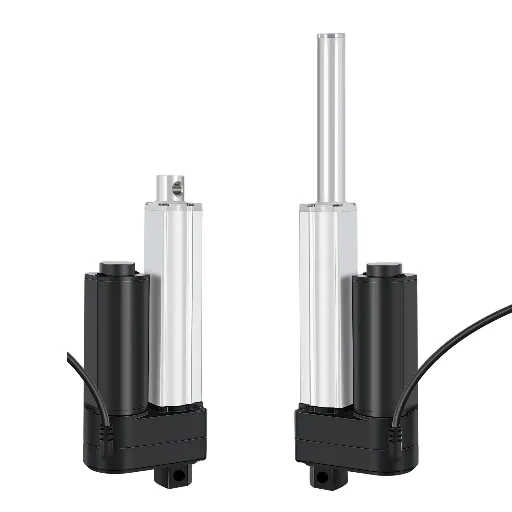
In the complex and risk-stake electrical engineering environment, the protection of systems against abnormal electrical operation is not only a best practice issue, but a mandatory regulatory provision and a cornerstone of system design. Whether you are engineering a high-voltage industrial distribution panel, designing a compact printed circuit board (PCB) for consumer electronics, or architecting the power matrix for a next-generation electric vehicle (EV) charging station, understanding the precise mechanics of overcurrent is non-negotiable.
 English
  Chinese