
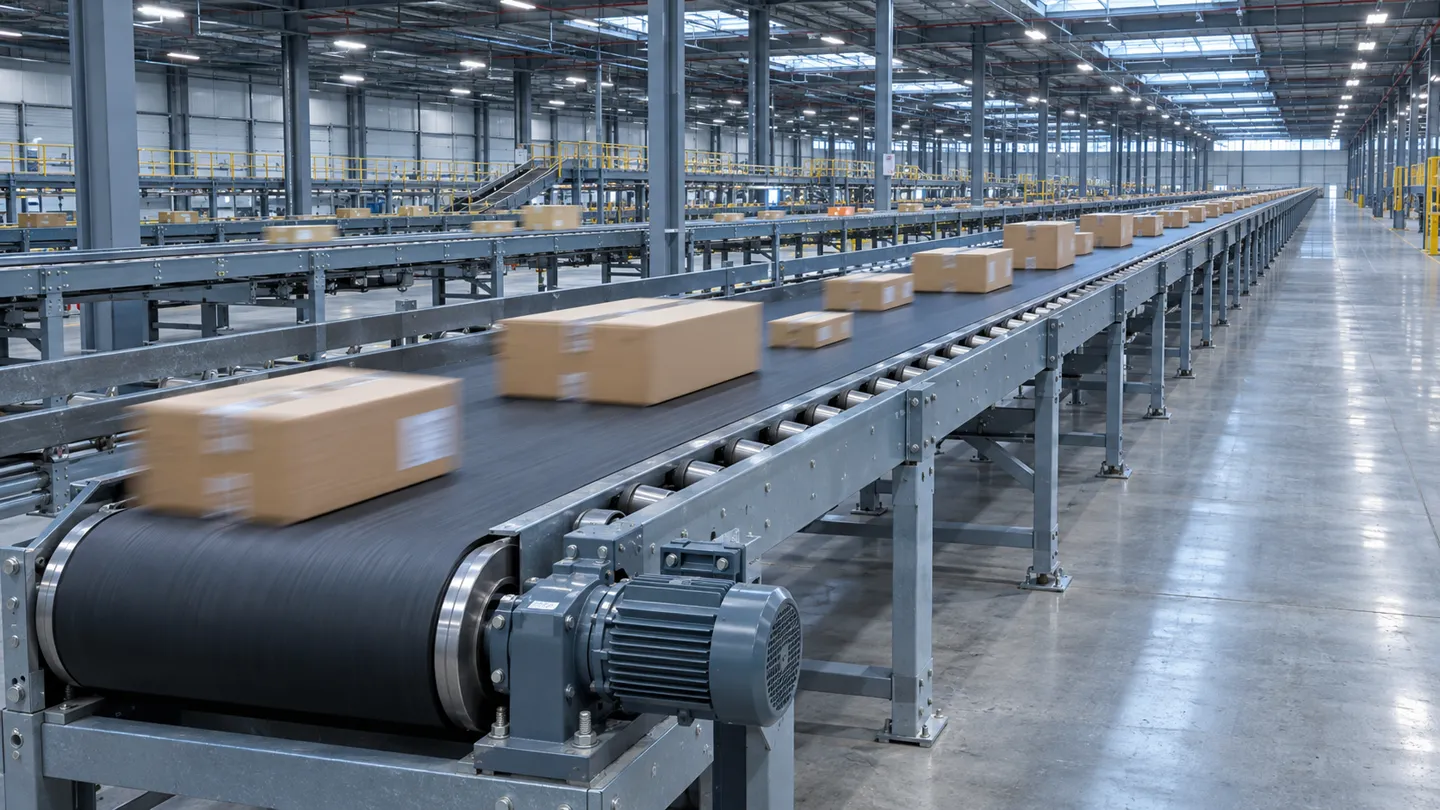
At 8,000 packages an hour, a distribution center sortation line goes down because one idler seized. Nothing looks broken: the belt is intact, the motor still spins, and the line still bleeds thousands of dollars for every hour it stands still. Conveyor systems almost never fail as a whole. They fail at one component, and the size of the bill depends on how well that component was specified long before the failure. Below, the layers follow the order a component decision actually happens: structure first, then drive, then control, then the actuators that sort.
What a Conveyor System Is Made Of: The Five Component Layers
Strip any conveyor down to its functions and you get the same five layers, whether it moves feathers or iron ore. Each layer has its own part families, its own failure habits, and its own buying questions.
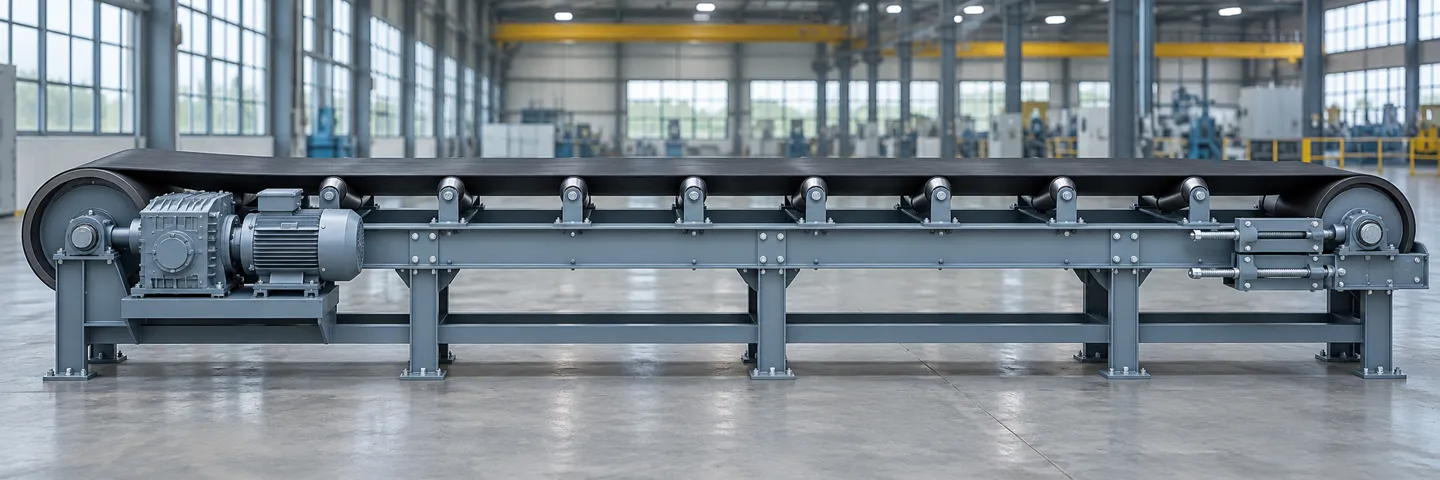
Layer one is structure and load support. Frames carry everything. On a belt conveyor the belt itself is the carrying medium, riding on rollers and idlers that keep it spaced and supported. Everything turns on pulleys at the head and tail, with bearings inside every rotating part. Machine type only changes the carrying medium: a belt, loose rollers, a chain, or slats. Every machine type shares the same basic skeleton. Safety accessories such as pull cords and guards live on this layer too.
Layer two is drive and transmission. A motor produces torque, a gearbox adapts that torque to the speed and force the load needs, and a coupling joins them to the driven shaft. Layer three is tension and tracking: take-up units that keep the belt tight enough to grip, and crowned pulleys that keep it centered without anyone watching.
Layer four is sensing and control. Photo eyes detect presence, encoders report position, scanners read labels, and zone controllers or a PLC decide what happens next. Layer five is sorting and actuation: diverters, pushers, gates, and singulators that physically divide the flow. Everything upstream exists so this layer can act at the right millisecond.
The Five Component Layers of a Conveyor System
| Layer | Typical components | Job in one line |
|---|---|---|
| Structure & load support | frame, belt, rollers, idlers, pulleys, bearings, guards | carries the product and holds every geometry constant |
| Drive & transmission | motor, gearbox, coupling | converts power into the speed and force the load needs |
| Tension & tracking | take-up unit, crowned pulley, lagging | keeps the belt gripping and running centered |
| Sensing & control | photo eyes, encoders, scanners, PLC/zone controllers | tells the system what is where, in real time |
| Sorting & actuation | diverters, pushers, gates, singulators | divides the flow into its destinations |
Read the layers in order and the dependencies become obvious. The sorting layer is only as good as the sensing feeding it. And the sensing is only as reliable as the mechanics holding it steady. The rest of this article walks the same path, from the parts that fail visibly to the ones that decide your uptime economics.
Load-Bearing Components: Where Conveyors Actually Fail
Ask maintenance people where conveyors actually break, and the answers cluster on the load-support layer, not the exotic parts. Three failure chains cover most of the territory.
Belt and Lacing: The Wear You Can See
A belt almost never fails without warning. Warnings show up at the edges first. Fraying and uneven wear mean the belt has been tracking off-center for weeks, rubbing against the structure on every pass. By the time the tracking problem reaches the lacing, the belt material itself is often gone. Maintenance threads describe belts so deteriorated that a freshly installed lace pulls out within days, on a machine still expected to run (r/IndustrialMaintenance, 2025). At that point you are no longer repairing a belt. You are excavating weeks of neglect.
Prevention here is boring and specific: inspect belt material and lacing weekly, and treat edge wear as a tracking symptom, not a belt quality complaint. Lacing choice matters too. Mechanical fasteners suit quick field repair; vulcanized splices suit long runs where a protruding clip would damage product or downstream sensors. Switching types mid-life without re-checking pulley crowning just relocates the problem.
Rollers, Idlers and Bearings: Small Parts, Big Stoppages
Idlers and rollers are the cheapest parts on the machine and the most common source of unplanned stops. A seized roller flattens a spot on the belt, the flat spot sheds material onto the structure, and the debris migrates into the next bearing. A weekly spin test catches the dead rollers in seconds: any roller that does not turn freely under light pressure gets flagged and swapped (OxMaint, 2026).
Bearings fail slower and more expensively. One classic field incident starts with a tail pulley bearing whose set screws loosened. The pulley drifted, and the drift pushed the whole conveyor frame out of line. Repairs cost several times what a torque check would have (r/IndustrialMaintenance, 2026). Set screws and locking collars are tiny items on a procurement list, but they carry real estate-level consequences.
Failure chain to memorize
Cost of prevention: a torque check on locking hardware during installation and every major service.
Cost of skipping it: a frame realignment and days of downtime.
On fish-processing decks and other abuse-prone environments, the failure mode changes shape entirely. Fibrous debris wraps around idler shafts until the roller stops turning. Millwrights document this mode after buying machines that previous owners never maintained (r/millwrights, 2025). Same lesson, different mechanism: every load-support layer needs an inspection routine matched to the debris it actually faces.
Pulleys and Tracking: Why There Is No Magic Torque Number
Crowned pulleys are the oldest tracking trick in the industry. A slight crown in the pulley face makes a drifting belt climb back to center automatically. One catch: the mechanism only works while the rubber lagging on the pulley face is intact. So lagging wear belongs on the preventive checklist, not in the “run to failure” pile (Martin Engineering, 2024).
Tensioning is where online advice gets contradictory. Suppliers publish recommended torque values for take-up units. Experienced technicians answer that too many variables affect tracking to trust any single number: bearing placement, lacing quality, belt cut, load placement (r/IndustrialMaintenance, 2024). Both are right, which is the point: treat the supplier torque as a starting datum, then tune by observing the belt, and log the final value per machine. Component choice here is less about which take-up to buy, more about buying ones with scales and lockable positions. That way the tuned value survives the next maintenance round.
All of this condenses into the form that actually travels well: what breaks, when it breaks, and the check that catches it early.
Load-Support Components: Failure Edges and Early Checks
| Component | Fails when | Early field check | Environment that shortens life |
|---|---|---|---|
| Belt & lacing | edge wear from chronic mistracking; lace pulls out of degraded material | weekly edge and splice inspection | abrasive or fibrous debris |
| Rollers | bearing seizure; flat spot wears the belt | weekly spin test under light pressure | dust washdown debris wrap |
| Idlers | spacing wrong for load, belt sags between supports | check sag against load rating after any product change | overloading point loads |
| Pulleys | lagging wears off, crowning stops self-centering | visual lagging check at every belt change | abrasive tailings high tension |
| Bearings | set screws loosen, shafts drift | torque check on locking hardware at install and service | vibration washdown |
| Take-up unit | tension drifts with temperature and wear | log tension per machine, recheck monthly | wide temperature swings |
One boundary worth stating: light-duty sortation and heavy mining do not share an idler spacing chart, and a washdown line needs sealed bearings specified, not hoped for. Failure edges are universal; the numerical limits that trigger them are not.
Drive Components: Specifying for Duty, Not Just for Power
The drive layer has three links, and each one broadcasts its own failure signature. Motors announce trouble through current draw: amperage drifting above baseline means mechanical loading or electrical degradation is building. Gearboxes announce through oil: level drops, leaks appear, and the oil itself carries wear particles worth sampling on critical units. Couplings announce through vibration and misalignment readings. A weekly amperage check and a monthly oil and coupling inspection catch most drive failures while they are still cheap (OxMaint, 2026).
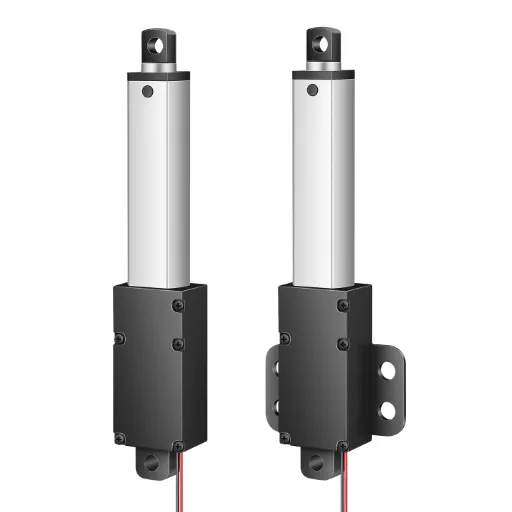
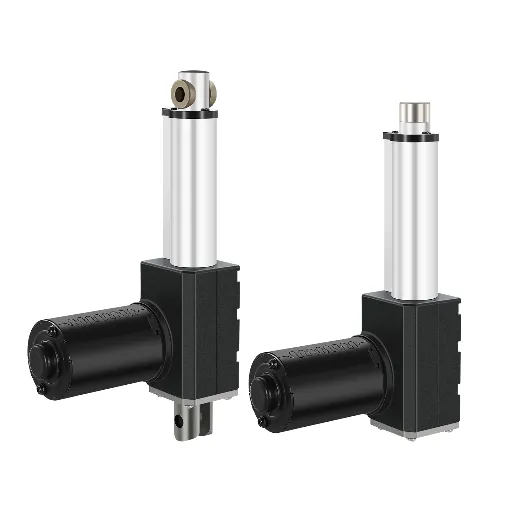
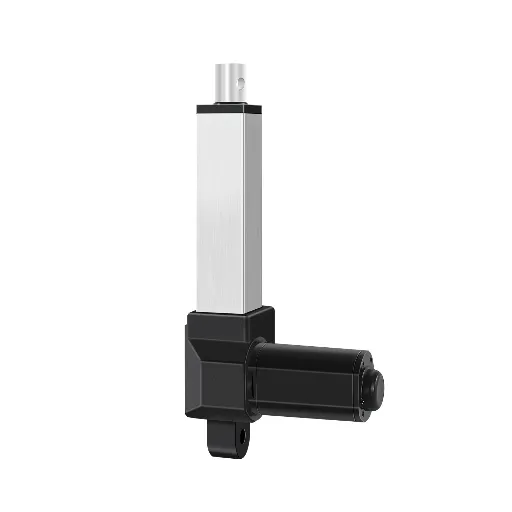
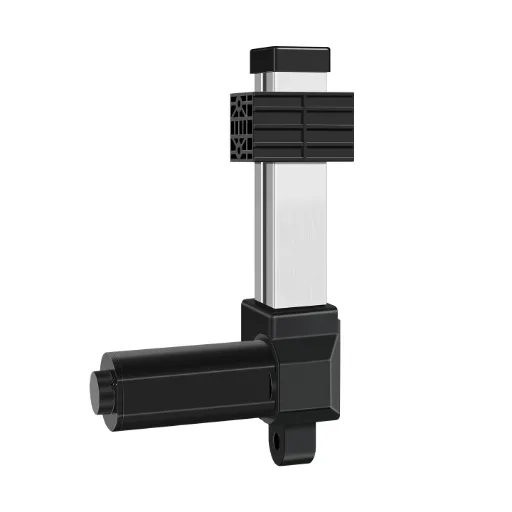
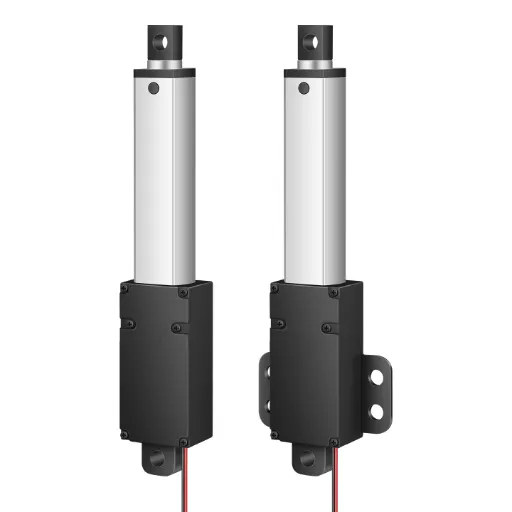
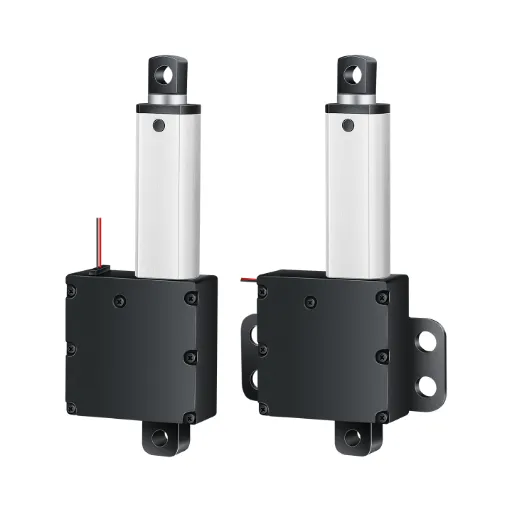
Duty cycle is the parameter most buyers under-read. A duty rating says how often a component can work relative to how long it rests. Spec sheets make this concrete. A compact 24V actuator rated for 10% duty and 2 minutes continuous use (Hoodland, 2026) will cook itself in an application that strokes every few seconds. Its force and speed numbers can look perfect on the page while the duty rating quietly disqualifies it. Duty ratings are not fine print. Read them wrong and you buy a component that dies at a fraction of its catalog life.
Here is the contradiction every operator eventually meets: you buy components rated for continuous duty, and you still cannot maintain a running conveyor. Experienced maintainers answer the contradiction with scheduling, not procurement. Some run rolling shutdown windows where sections stop for 15 to 20 minutes each. Others run two alternating lines so one is always up (r/IndustrialMaintenance, 2024). A duty rating buys you a machine that survives until its maintenance window. What it cannot buy is exemption from the window.
For procurement, three items convert this section into contract language. Demand the duty cycle rating and its test basis, rather than the bare phrase “suitable for continuous operation”. Demand MTBF data and documented service intervals; serious suppliers have both on file (r/IndustrialMaintenance, 2024). And match gearbox expectations to value: oil analysis programs pay for themselves on critical drives, while on a low-value gearmotor the faster path is swap-and-rebuild offsite.
When a quote request needs a duty-cycle rating with its test basis, Hoodland answers with rated numbers and the testing behind them.
Send Your Duty-Cycle QuestionSensing and Control: The Parts That Fail Silently
Every component described so far fails loudly: a seized roller squeals, a slipping belt wanders, a leaking gearbox drips. The sensing layer fails differently. A dust-filmed photo eye still shows a green LED. A drifting encoder still reports numbers. A scanner whose read rate has slipped from 99% to 91% still scans. Everything looks operational while the data quietly rots. That is why facilities walk the line daily to clean lenses and log scanner read rates, instead of waiting for alarms that never come (OxMaint, 2026).

Downstream, the cost mechanism is disproportionate. One misread at high speed triggers a divert decision on wrong data. That package loops back through recirculation, consuming capacity from every other package behind it. Sortation timing tolerances are brutal: a timing drift of 50 milliseconds is enough to push a diverter into mis-sorts (OxMaint, 2026). Sensing health is not a utilities expense. It is a throughput parameter.
Environment, not brand, decides how fast this layer degrades. An identical photo eye lasts a season in a clean e-commerce tunnel but can fail within days in a dusty recycling application. Dust and vibration compress every maintenance interval (OxMaint, 2026). That reframes cleaning frequency as an engineering parameter set by environment class, and it means two identical conveyors in different buildings deserve different PM calendars.
For buyers, the acceptance question changes shape. Do not accept “sensors installed and functional” as a deliverable. Write the maintenance surface into acceptance: lens access without disassembly, documented calibration cycles, error-log export your team can actually pull, and read-rate reporting from day one. A sensor you cannot inspect is a sensor you will replace under duress.
Sorting Actuators: Electric vs Pneumatic and What to Demand from Suppliers
Sorting is the layer where product flows get divided, and OEMs re-decide it every machine generation. Diverters, pushers, gates, and singulators all reduce to one question: what moves them, and how repeatable is that movement at line speed.
The Electric vs Pneumatic Decision
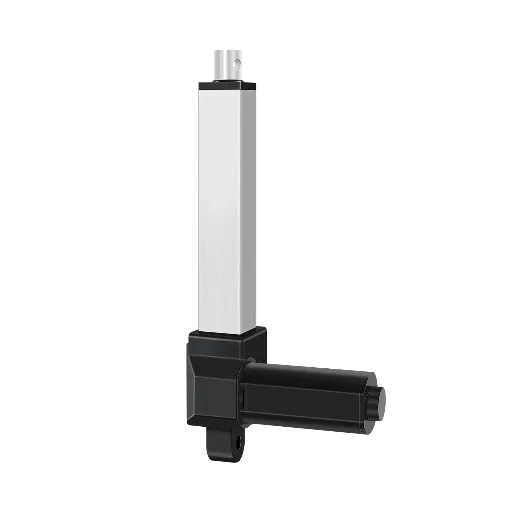
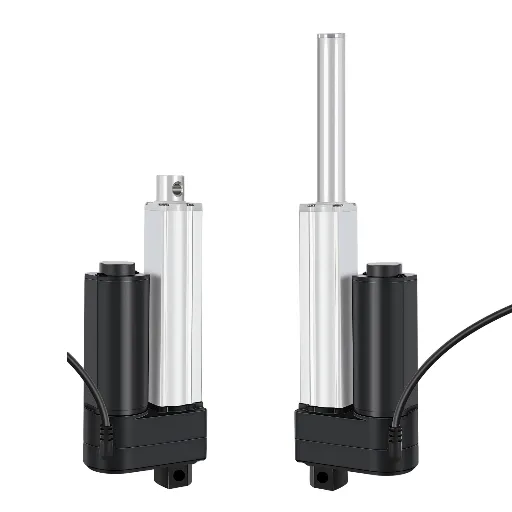
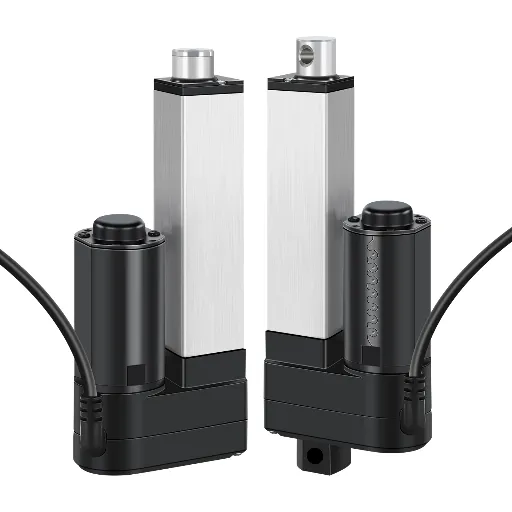
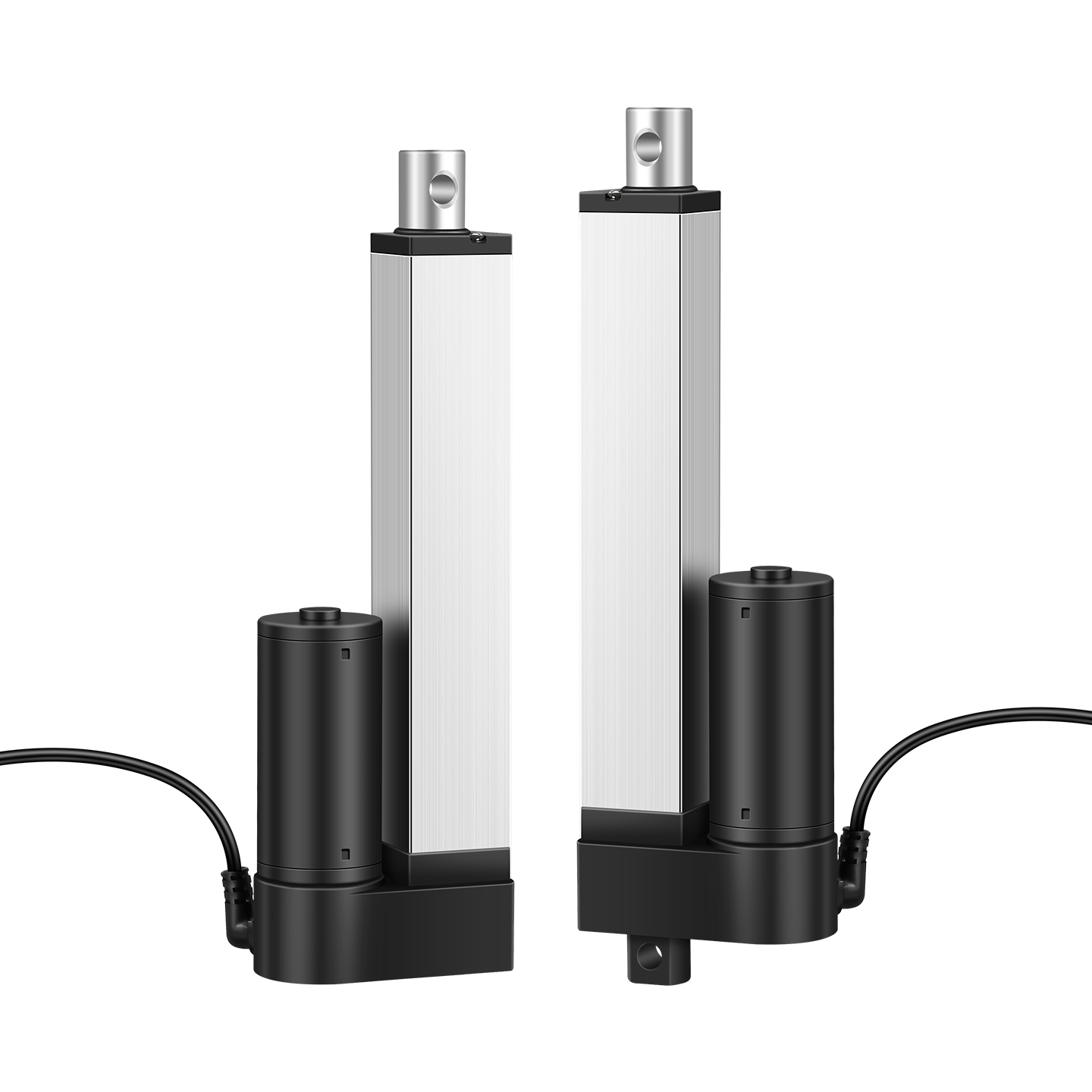
Pneumatic cylinders won this layer historically on cost, speed, and simplicity. Electric linear actuators have spent two decades closing the gap, and the market has tipped. Electric actuators led the actuation segment of the robotics and automation market with 53.3% share in 2024 (Market.us, 2024). Shifts like that reflect what changed in the engineering math.
Electric vs Pneumatic for Sorting and Diverting
| Dimension | Electric linear actuator | Pneumatic cylinder + valve |
|---|---|---|
| Timing & repeatability | position feedback holds timing tight; drift is detectable in feedback data | valve response degrades with wear; drift shows up as mis-sorts, not alarms |
| Control & integration | reports position to PLC; multi-actuator sync and soft start/stop available; overload protection stops on jams | open-loop by default; stroke fixed by cylinder; feedback needs add-on sensors |
| Infrastructure | a power line and a control signal | compressor, air lines, FRL units, valve manifold, and their maintenance |
| Energy | consumes power only while moving | compressor runs continuously and leaks are endemic |
| Acoustics | whisper-class operation, under 50 dB on quiet designs | exhaust hiss every cycle unless mufflered |
| Environment & sealing | IP rating chosen per application, sealed to IP65 and beyond on demand | tolerates washdown well; air quality is the hidden maintenance item |
Where the four dimensions compound, the electric case wins outright. Picture a fulfillment diverter that must time to within milliseconds and run near-silently next to workers. And it reports position to the zone controller while skipping the compressor entirely. That is most modern sortation and packaging machinery, which is why the share trend keeps moving one direction.
Electric has real boundaries. Pneumatics still owns ultra-high-speed diverting on many lines. The simplest stop gates with no feedback requirement gain nothing from a feedback-capable actuator. And a facility already plumbed for compressed air across a hundred machines may reasonably keep pneumatic on the next machine too, because the infrastructure cost is sunk. Honest answers are per-line, not per-facility.
Matching the Actuator to the Duty
Once electric is on the table, four parameters sort the catalog fast. Load comes first, and sorting duties are gentler than they look. Diverter and pusher actuators on light package flows work in the tens to hundreds of newtons. Gates and stop plates on heavier totes climb toward the 1,000 N class and beyond. Overspecifying load wastes envelope and money on every axis of the machine.
Stroke and mounting distance come second, and they are integration constraints, not performance specs. An actuator only works if it fits the envelope between machine frame members. That is why mounting distance is a custom order item at any serious supplier, not a catalog afterthought.

Speed interacts with force through the motor’s force-speed curve, and the interaction is steep. An actuator that pushes 1,200 N at 5 mm/s delivers only a small fraction of that at 66 mm/s (Hoodland, 2026). Read catalogs at the speed your cycle actually runs, not at the headline force. Then check the duty rating against strokes per hour, because a fast machine is also a machine that cycles its actuators relentlessly.
Environment finishes the filter. Indoor dry sortation runs happily at IP43 class sealing. Washdown food lines need IP66 and above plus appropriate materials. Ambient extremes from cold rooms to hot contraction lines push the operating temperature window, commonly -20 to +65 °C on industrial units, into a selection criterion. An actuator specified for the wrong environment fails on schedule no matter whose name is on it.
The Supplier Interrogation List
Whatever drive method you pick, the supplier questions are the same, and they convert directly into a quote request. Here is the working version.
Demand cycle-life evidence: a rated cycle count, the test behind it, and ideally per-unit aging records rather than batch sampling. Ask for measured thrust alongside rated thrust; the industry norm of underrating means honest suppliers publish or verify actual force curves. Specify feedback explicitly: hall sensor or potentiometer position reporting, signal feedback types, and whether multi-unit synchronization is supported by the supplier’s own controllers. Get the customization boundary in writing: stroke and mounting distance ranges, cable lengths, connector types, coating options for corrosive or washdown service. Close with the commercial evidence: standard lead times, sample policy, minimum order terms, and batch traceability for warranty claims. Suppliers who ship one-piece custom orders with per-unit test reports exist; the interrogation reveals them cheaply.
Calibrate the list to component value. Demanding MTBF documentation for commodity rollers wastes everyone’s time. But a supplier who volunteers per-unit test data for a hundred-dollar actuator is telling you where their quality system actually lives.
The Component Decision That Shows Up in Your P&L
Everything above compresses into three accounts that appear on your side of the ledger, not the supplier’s.
Three Accounts Worth Running
First, the downtime account prices reliability directly. A stopped sortation line costs $4,000 to $8,000 per hour (OxMaint, 2026). Against that number, an actuator or idler upgrade that prevents a handful of unplanned stops per year pays for itself in the first incident it avoids. Reliability is not a spec-sheet adjective; it is the difference between two quotes for the same function.
Second, the aftermarket account prices component life gaps. Ordinary and premium load-support components differ by multiples, not percentages, and the gap surfaces as warranty claims, retrofit orders, and customers who quietly stop reordering. For an OEM, the component life you ship is the service load you signed up for.
Third, the iteration account prices inertia. Sorting actuators get re-decided every machine generation, and the electric share trend rewards the OEMs who actually re-run the evaluation instead of carrying the last generation’s pneumatic spec forward. Carrying it forward feels free. It costs you the timing, noise, and integration arguments on every competitive bid.
Downtime account
Line stops cost $4K to $8K per hour; reliability deltas pay back on the first avoided incident
Aftermarket account
Component life gaps surface as warranty claims and lost reorders; shipped life is signed service load
Iteration account
Drive method is a per-generation decision; the electric share trend rewards re-evaluation, not inertia
Choose Suppliers by Evidence, Not by Brochure
Brand names are a lagging indicator. Maintenance communities document the drift. One drive brand praised for decades gets described as “noisy out of the box” in recent years, while its competitor earns the opposite shift (r/IndustrialMaintenance, 2024). Quality systems move. Evidence, gathered the same way every time, does not.
Component Decision Table: What to Demand per Layer
| Layer | Demand this parameter | Require this evidence |
|---|---|---|
| Load support | load rating, sealing class, debris tolerance | load ratings with test basis; environment-specific sealing spec |
| Drive | duty cycle rating, MTBF, service intervals | test basis for ratings; MTBF data on file; documented PM intervals |
| Tension & tracking | take-up range, scale and locking | installation spec with torque datum and logging method |
| Sensing & control | calibration cycle, error-log access, read-rate reporting | acceptance criteria including maintenance surface |
| Sorting actuation | measured thrust at running speed, per-unit aging test, feedback and sync support, customization range, MOQ and lead time | per-unit test reports; written customization boundary; sample policy |
Run that table on your next quote request and the supplier field sorts itself quickly. Suppliers who answer with documents win. Suppliers who answer with adjectives have told you what to expect in year two of the warranty.
For the sorting and diverting layer specifically, here is the standard we hold ourselves to at Hoodland. Every actuator runs a two-hour loaded burn-in before it leaves the factory. Then it passes a 100% final inspection against the drawing: stroke, mounting, current, speed and wiring. Each unit ships with its own data report. You can see the full in-house burn-in and inspection process (https://www.thehoodland.com/in-house-manufacturing/) described step by step. We apply the same per-unit policy to custom work, with no minimum order and prototype lead times as fast as 72 hours.
Run the interrogation list on your next RFQ. How a supplier responds to specific questions about ratings, test records and traceability is the cheapest due diligence you will ever conduct.
Send the Interrogation List to Hoodland
Custom stroke and mounting distance, per-unit test reports, no minimum order, 72-hour prototype lead times.
Start Your RFQReferences
- Market.us. “Robotics and Automation Actuators Market Report.” 2024. https://market.us/report/robotics-and-automation-actuators-market/
- OxMaint. “Conveyor & Sortation System Maintenance for Warehouses.” 2026. https://oxmaint.com/blog/post/conveyor-sortation-system-maintenance-warehouse
- Martin Engineering. “Components of a Standard Belt Conveyor.” Foundations Knowledge Base. https://foundations.martin-eng.com/knowledge/components-of-a-standard-belt-conveyor
- r/IndustrialMaintenance. “Belt Conveyors! Who makes the best one?” 2024. https://www.reddit.com/r/IndustrialMaintenance/comments/190bznq/belt_conveyors_who_makes_the_best_one_this_should/
- r/IndustrialMaintenance. “Conveyor-new bearings install question.” 2026. https://www.reddit.com/r/IndustrialMaintenance/comments/1whh3si/conveyornew_bearings_install_question/
- r/millwrights. “Conveyor Repair.” 2025. https://www.reddit.com/r/millwrights/comments/1hsfcc2/conveyor_repair/
- r/IndustrialMaintenance. “Conveyor belt too loose, can’t tighten.” 2025. https://www.reddit.com/r/IndustrialMaintenance/comments/1iv910c/conveyor_belt_too_loose_cant_tighten/

 English
 Chinese
 German
 Spanish
 French