
What Is an Actuator?
When an elevator door slides shut, when a car locks itself with a soft clunk, when a dentist’s chair lowers you into position, a component has just converted energy into controlled movement. That component is an actuator. Every machine that moves something on command carries at least one, and most carry several.
An actuator is a device for moving or controlling a mechanism or system. It takes in energy, typically electric current, hydraulic pressure, or pneumatic pressure, and turns that energy into motion (NIST CSRC, NIST SP 800-82r3). The division of labor in an automated system is easy to remember: sensors watch, controllers decide, and actuators move. The actuator is the muscle of the loop, the only part that touches the physical world directly.
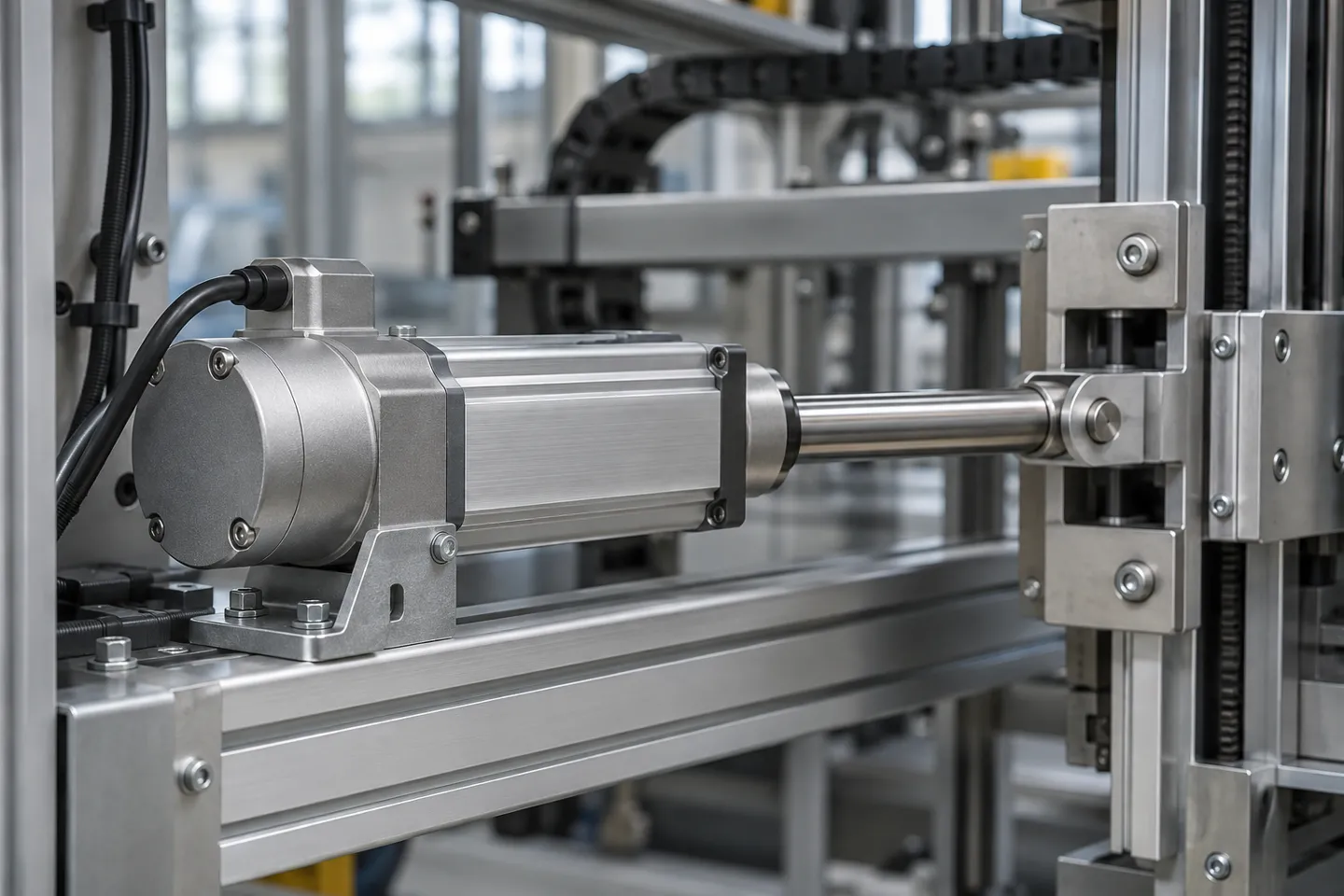
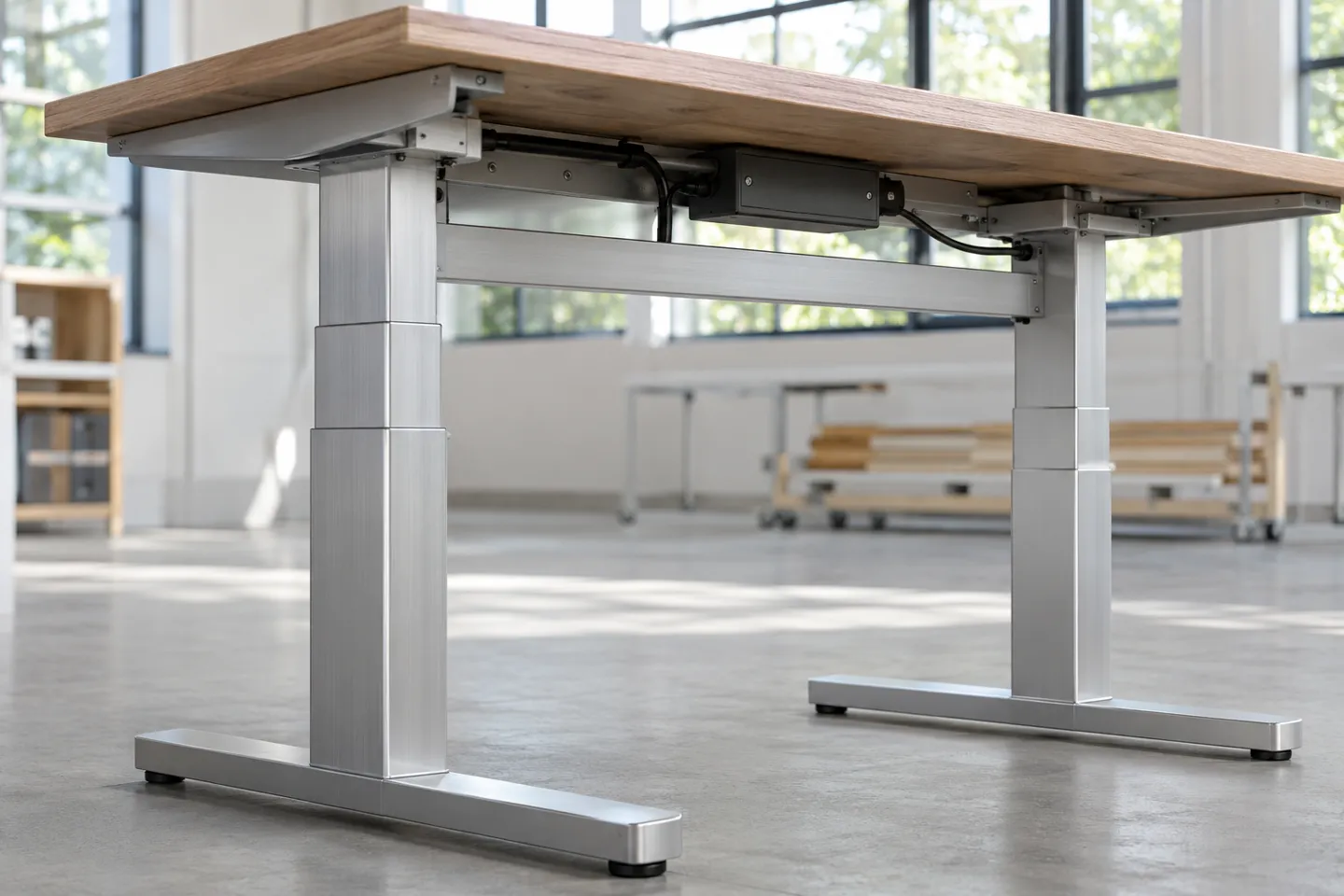
You own more actuators than you probably count. A printer’s paper feed, a washing machine’s dispenser flap, the adjusting column under a standing desk, the tiny motor that throws a car door’s lock: each is a device that took a signal and made something move. What they all share is the same job description, converting energy into motion, on command.
One cleanup before going further, because the word travels across a few unrelated worlds. If you came from a car forum, the part humming behind your door panel is a door lock actuator, and it genuinely belongs to this family: electricity in, pushing motion out. Two other namesakes do not belong. AS-i, short for Actuator Sensor Interface, is a factory network protocol, a way to cable sensors and actuators together, not a device itself. And in software, an “actuator” is a monitoring endpoint, like the one built into Spring Boot applications, which moves nothing physical. This article is about the mechanical kind: the parts that turn energy into movement, the types they come in, and how to tell which one your project actually needs.
Actuator Types: Power Sources and Motion Paths
Ask how many types of actuators exist and you will get different answers from different sources. One says three. Another says four, counting mechanical and piezoelectric alongside the classics. A third lists five and adds thermal and magnetic variants. The disagreement is not sloppiness. Each source is counting a different axis: the source of energy, the mechanism inside, or the shape of the motion that comes out. Once you hold all three axes, the argument dissolves and the whole category fits on one map.
Electric actuators
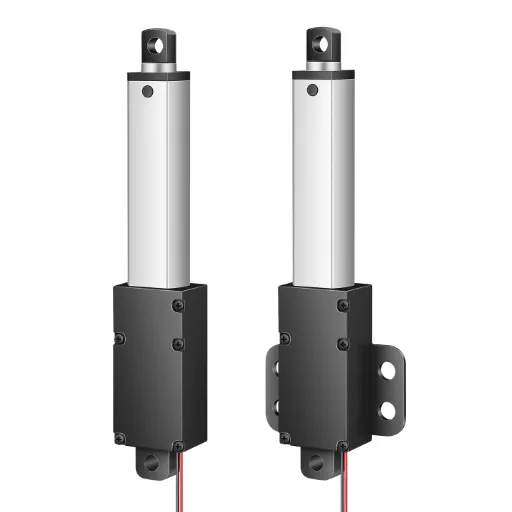
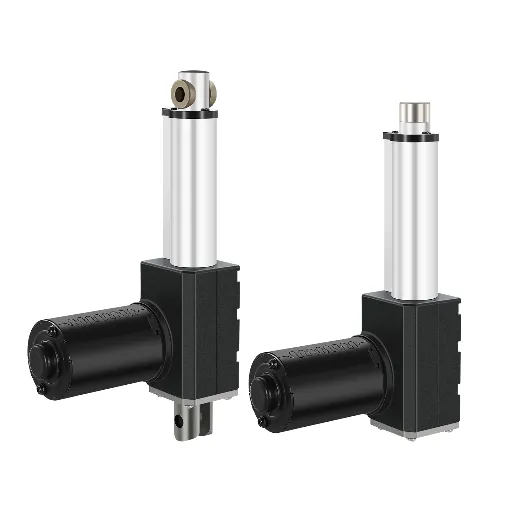
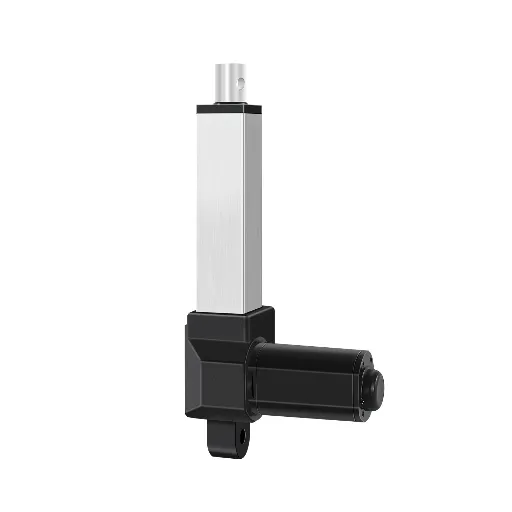
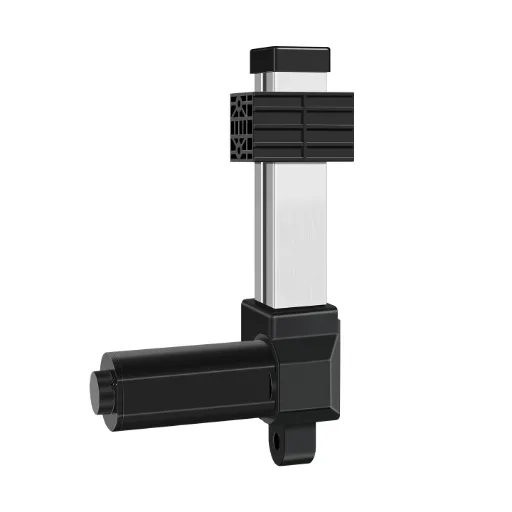
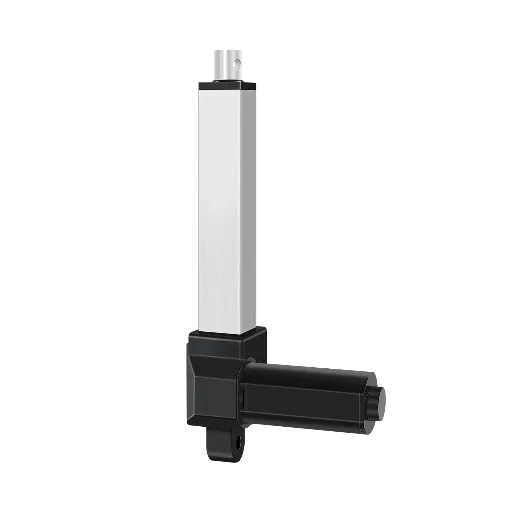
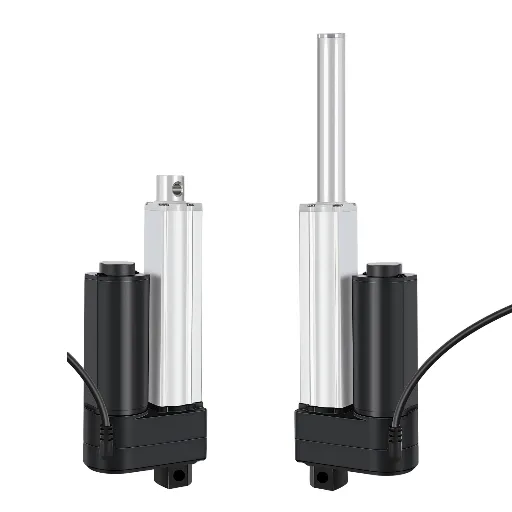
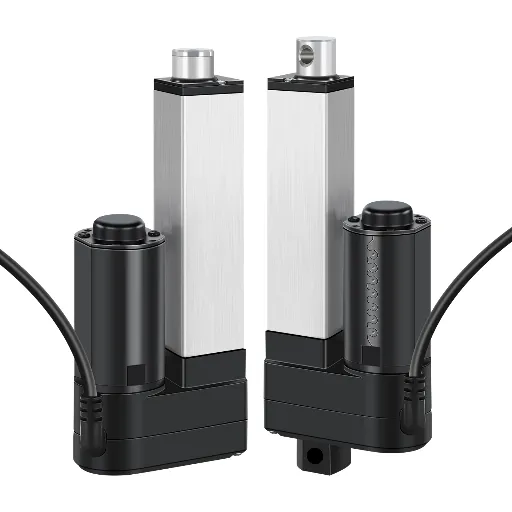
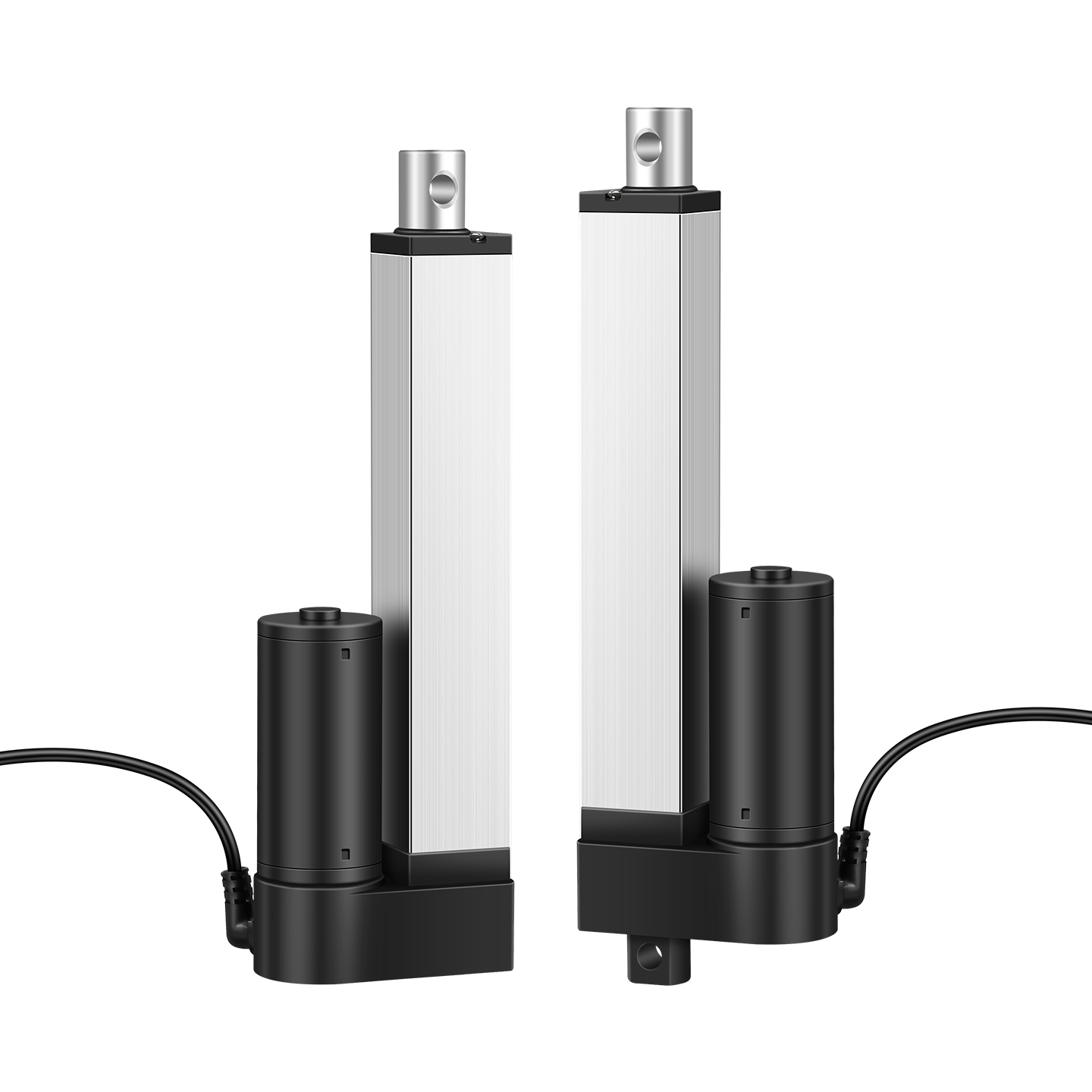
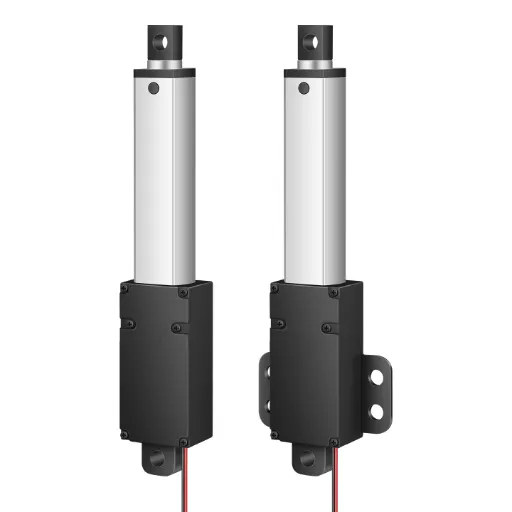
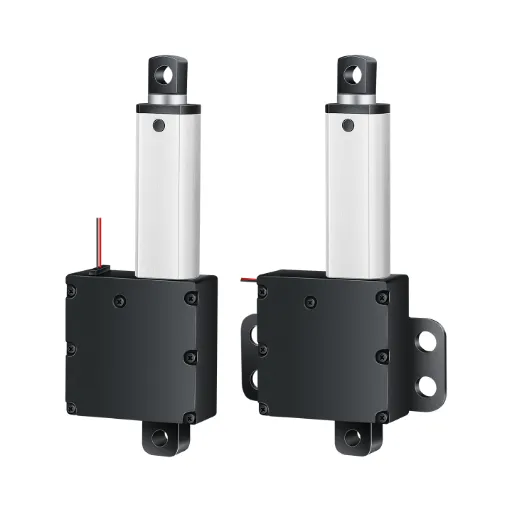
Electric actuators draw energy from current and drive motion with a motor, usually through gears and a screw or a linkage. Their strengths follow directly from their power source: electricity is clean, quiet, precise, and already available wherever the device is. Motion can be programmed, stopped at exact positions, and paired with position feedback. That is why medical chairs, laboratory automation, standing desks, and warehouse lifting modules run electric. The trade-offs are thermal and structural: a small motor working continuously overheats, and force per unit of size stays below what hydraulics achieve. If your application needs silence, exact repeatable positions, and moderate force, this is the family to examine first, and the duty cycle on the spec sheet deserves your attention before anything else.
Hydraulic actuators
Hydraulic actuators convert pressurized oil into force, most visibly in cylinders. Oil barely compresses, so a hydraulic cylinder holds enormous, steady load: excavator arms, injection molding clamping, presses measured in tons. Nothing else packs this force density into a given volume. The costs sit around the device rather than inside it: a pump and reservoir to buy, hoses and seals to maintain, fluid that eventually leaks or contaminates a clean room. Slow, sustained, massive force is hydraulic territory. Fast, delicate positioning is not.
Pneumatic actuators
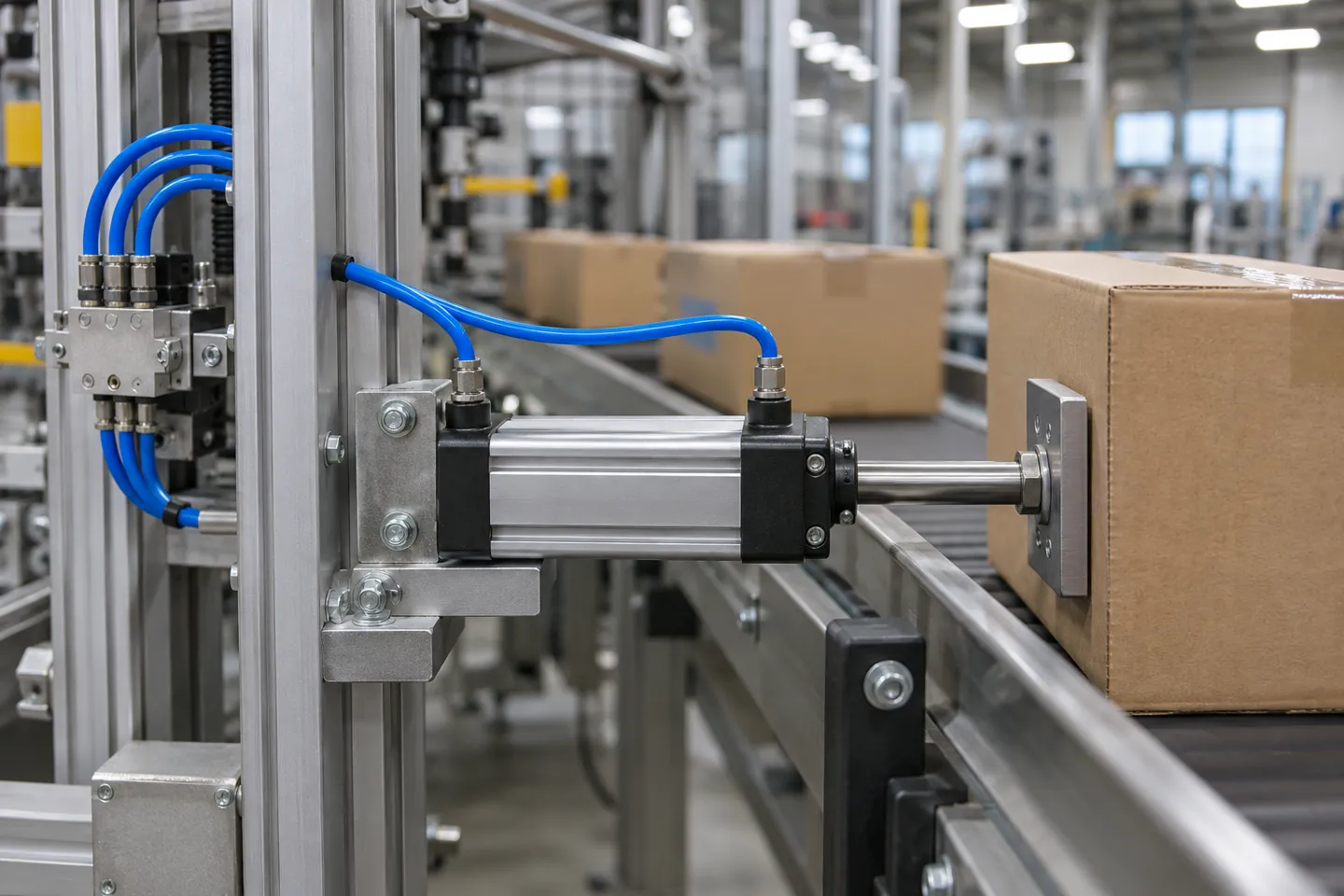
Pneumatic actuators run on compressed air. Air is cheap, the hardware is simple, and cylinders can cycle all day at high frequency, which is why packaging lines and pick-and-place stations are full of them. Air also fails safe in many hazardous environments, since a leak carries no spark. The same air gives the family its weakness: gas compresses, so mid-stroke positioning is approximate. A pneumatic cylinder is excellent at the two ends of its stroke and vague in between. You also inherit an air compressor, dryers, and the constant hiss of exhaust.
The remaining names on the map
Four smaller entries complete the picture, and one sentence each is enough. Mechanical actuators store energy in springs or levers and release it on trigger, no power line required. Piezoelectric actuators flex a crystal with voltage and move things by micrometers, which makes them the choice for optics and precision stages, with strokes too small to see. Thermal actuators exploit expansion from heat change, slow but simple, common in older thermostatic valves. Magnetic actuators split into two useful members: the solenoid, which slams a plunger forward with a click, and the voice coil, the speaker’s motor, which sweeps short arcs almost silently.
Two more ways to sort them
Motion path gives the second axis. Linear actuators push and pull in a straight line: door locks, desk columns, valve stems. Rotary actuators turn: damper motors, valve quarter-turners, robot joints. Limited-arc actuators swing through a fixed angle and stop, which is the speaker’s voice coil territory again. Now the map can hold everyday objects: the car door lock is a small electric linear unit with a few centimeters of stroke; the air-conditioning blend door is a small electric rotary unit; the speaker is a magnetic arc actuator; the microscope stage uses piezoelectric linear steps.
The third sorting question, is a motor an actuator, resolves the same way. A motor converts current into rotation, so it belongs to the actuator family as the rotary electric member. Suppliers still label catalogs differently, reserving “actuator” for finished motion units that bundle a motor with transmission and housing. Both habits are right; they differ in where they draw the box.
Actuator families at a glance
| Family | Energy in | Motion out | Typical territory | Watch out for |
|---|---|---|---|---|
| Electric linear | Current | Straight-line push | Medical and lab devices, furniture, robotics, storage cabinets | Duty cycle limits, force below hydraulic levels |
| Electric rotary | Current | Rotation | Dampers, valves, robot joints | Gear backlash at fine angles |
| Hydraulic | Pressurized oil | Linear force, huge and steady | Presses, molding clamps, heavy mobile equipment | Pump infrastructure, leaks, slow cycles |
| Pneumatic | Compressed air | Fast linear cycling | Packaging, pick-and-place, hazardous areas | Compressible air, vague mid-stroke positioning |
| Solenoid | Current pulse | Short push with a click | Locks, valves, relays | Impact noise, limited stroke |
| Piezoelectric | Voltage | Micrometer steps | Optics, precision stages | Microscopic stroke, delicate load limits |
Every family here can push, pull, or turn. What separates the three big ones is the infrastructure each demands and the physics each is married to: electricity rewards precision, oil rewards mass, air rewards speed.
How an Electric Linear Actuator Works
The electric linear actuator is the type most readers end up specifying, so it is worth opening up. Its chain has three links, and each link trades one property for another.
First link: a small DC motor spins. That is all it knows how to do, and left alone it spins fast with almost no torque.
Second link: a gearbox slows the rotation down and multiplies the torque. The gears decide the fundamental bargain of the unit: more force means less speed, and the ratio is fixed at the factory.
Third link: a screw converts the rotation into a straight line. A nut rides along a threaded shaft, and as the shaft turns, the nut travels. The screw’s lead, how far the nut advances per revolution, sets the speed; the thread angle gives most designs a bonus called self-locking, meaning the load cannot back-drive the motor when power is cut. A raised platform stays raised with the electricity off because a screw refuses to spin backwards under load.
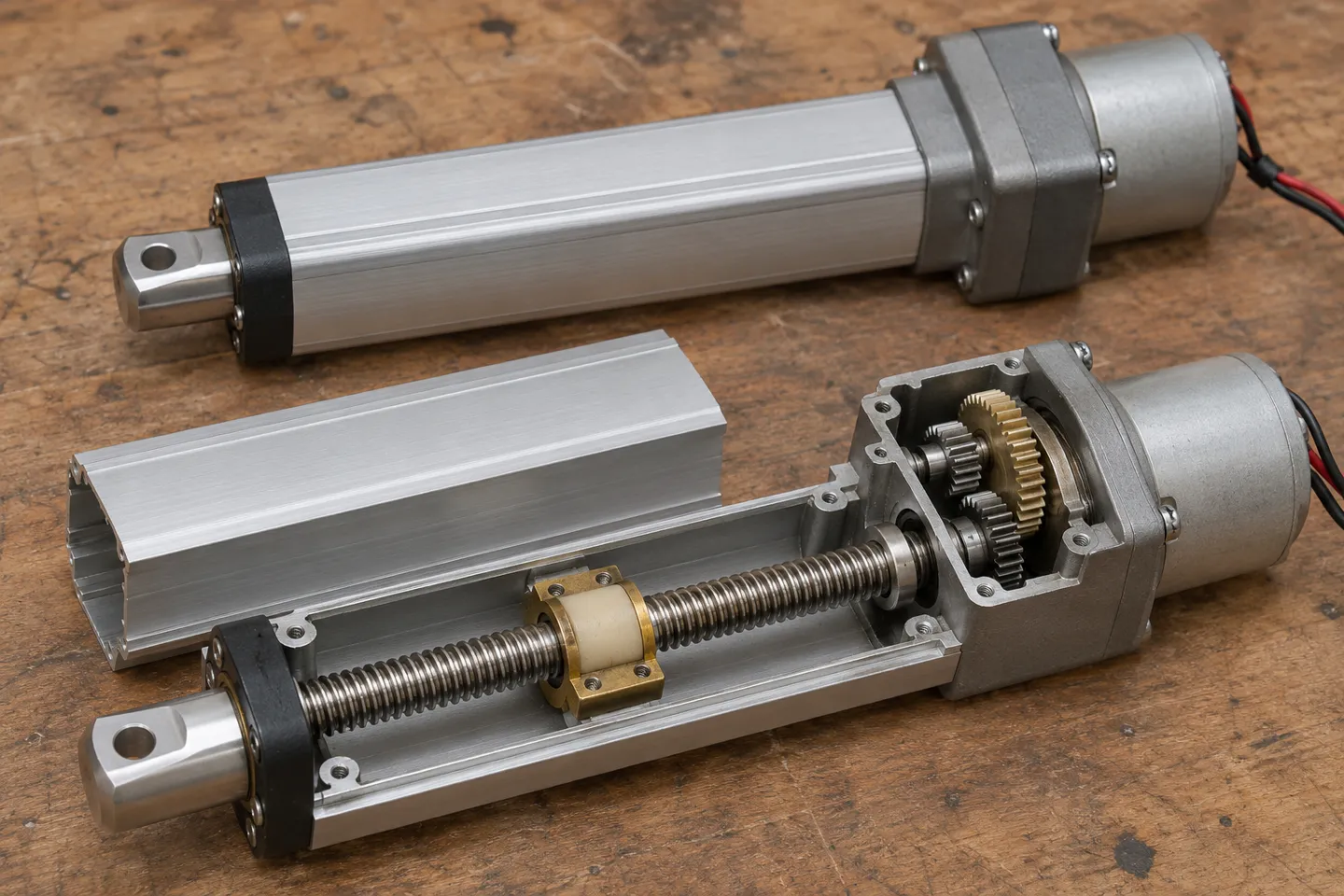
Assembled, the whole chain reads like a sentence: a control signal energizes the motor, the gears scale it, the screw translates it, and limit switches or sensors tell the controller where the motion ends. One specification deserves early attention in this chain. A motor geared for force cannot run continuously without heating, and heat is the quiet killer of windings. Every catalog answers this with a duty cycle figure, a small number that quietly decides real projects.
Where Each Type Wins, and When It Fails
Types are not rivals competing for one crown. Each family rules a territory where its physics fits the job, and the practical skill is recognizing which territory your project stands in. Three questions sort most decisions: how fast must it cycle, how hard must it push, and how precisely must it stop.
Pneumatic territory
High-frequency, end-to-end cycling belongs to air. A packaging line pushing boxes every second does not need to know where the cylinder is mid-stroke; it needs the two ends, a million times, cheaply. Air also tolerates environments that would cook an unprotected motor: dust, washdown, heat. And in areas with explosive atmospheres, a pneumatic circuit avoids the spark-permit paperwork that electric drives need, unless the electric unit carries an explosion-proof certificate of its own. Choose air when the cycle is fast, the positions are two, and a compressor already hums somewhere in the building.
Hydraulic territory
Sustained, massive force belongs to oil. When a load must be held hard for long periods, when force outruns what catalog electric units supply, when tons rather than hundreds of kilograms are the unit of conversation, hydraulics hold the ground. The boundary is being renegotiated from the electric side: the market now tracks high-force electric developments, and hybrid electrohydrostatic units have reached about 110 kN with micrometer positioning (Business Research Insights, 2025). Those hybrids remain exceptions. For plain continuous tonnage today, oil still wins.
Electric territory
Precision, programmability, and quiet belong to current. An electric linear actuator stops where the controller tells it to stop, repeats that position tomorrow, reports where it is through a feedback sensor, and does the whole job below conversational volume when it is built with the right gears. That combination, exact stopping plus quiet plus no air line and no oil, is why storage cabinet latches, AGV lifting modules, dental chairs, and standing desks converged on electric drives. Catalog electric linear actuators commonly reach into the thousands of newtons, with stock product lines topping out around the 6,000 N class. The shift toward this territory shows in the market numbers: the global linear electric actuator market was valued at about USD 5.03 billion in 2024 and is projected to reach USD 7.05 billion by 2033, a 3.7 percent CAGR (Business Research Insights, 2025).
Linear electric actuators, 2024 to 2033
A 3.7% CAGR: the middle ground between air and oil is being settled in electric’s favor.
How actuators actually fail
Consumer forums record the failure arc better than any datasheet. Car owners describe a door lock actuator that starts with a buzz, then works intermittently, then quits entirely; one owner reported three of four door locks dead and decided to live with it rather than pay for the teardown (Reddit, r/G37, 2025). The pattern transfers directly to industrial units, with industrial-sized costs.
Duty-cycle overheating comes first. Run a motor past its duty figure and the windings cook slowly, insulation ages, and the unit dies months later with no dramatic moment to point at. The checkable habit: sum your actual on-time per cycle and compare it against the duty spec before purchase, not after failure.
Stalling is the second killer. An actuator jammed against an obstruction or driven into a mechanical end stop keeps drawing current with nowhere to move, and a stalled motor heats in seconds rather than months. Current monitoring or mechanical relief belongs in the design.
Limit and sensor failure is third. A failed limit switch sends the actuator past its travel, and the load does the damage. Redundant end protection costs little at design time.
Seal failure is the fourth, the quiet one. Water or dust enters, corrosion and grit finish the job over months. The matching habit: confirm the protection rating against the wettest, dirtiest hour of the site, not its average day.
Territory map: default drive by scenario
| Application scenario | Default drive | Why | Switch when (check this first) |
|---|---|---|---|
| Cabinet latch or lock push (storage, energy cabinets) | Electric linear | Quiet, precise, low cycle rate, no air line needed | Cycle rate rises above roughly one move per few minutes |
| AGV / AMR lift module | Electric linear | Battery-friendly DC, position feedback, repeatable stops | Load exceeds the 6,000 N stock class and stays loaded |
| Dental or treatment chair | Electric linear | Silence below 50 dB, smooth start, safety near patients | None typical |
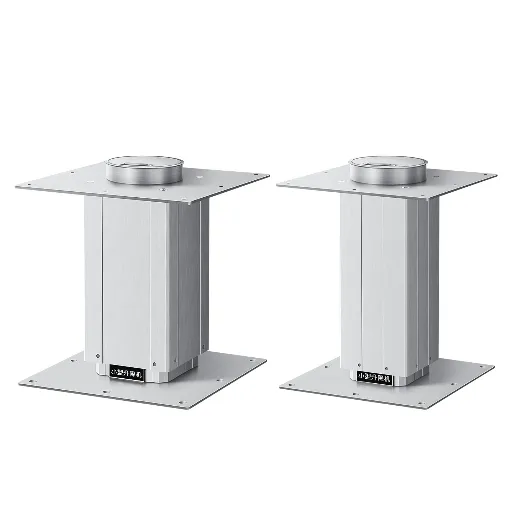
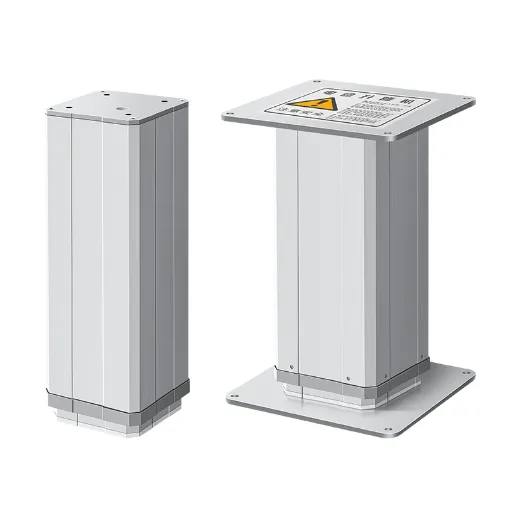
| Standing desk or functional furniture | Electric linear | Programmable memory positions, synchronization across columns | Cost-driven toy-grade products |
| Packaging line pusher / diverter | Pneumatic | One-to-two-second cycles, millions of cycles, cheap | Mid-stroke position accuracy is required |
| Heavy clamp or press | Hydraulic | Tons of sustained force, oil cannot be beaten on density | Force drops into the thousands of newtons |
| Continuous high-frequency cycling | Pneumatic | Air cycles endlessly without thermal penalty | Cycle slows down enough to mind duty specs |
| Explosive or dust-heavy atmosphere | Pneumatic, or certified Ex electric | Air leaks carry no spark; Ex-certified electric units work too | Certification cost decides |
| Outdoor agricultural or vehicle equipment | Electric with matched IP and temperature rating | DC supply already on board, no compressor to maintain | Site washdown demands pressure-jetting protection |
Read the table as a habit rather than a rulebook: match the drive to the territory, and let the exception justify itself.
Specifying an Actuator: Parameters, Control and Feedback
At some point the project stops being a concept and becomes a spec sheet. Nine parameters decide almost everything, and the ranges below come from current catalog electric linear actuator product lines, not theoretical limits.
The nine-parameter spec checklist
| Parameter | Ranges you will meet | What it decides | Confirm before you commit |
|---|---|---|---|
| Voltage | 6 / 12 / 24 V DC common | Power architecture of the whole device | Battery versus mains supply and cable runs |
| Force (thrust) | From tens of newtons to the 6,000 N stock class | Whether the load moves at all | Static load plus dynamic margin plus safety factor, never static alone |
| Stroke | 50-1000 mm standard, up to 2000 mm custom | Geometry of the mechanism | Retracted and extended lengths against your envelope, plus custom cost |
| Speed | Roughly 5-100 mm/s | Cycle time | The force-speed trade from the gearbox, faster means weaker |
| Duty cycle | Commonly 10 percent, about 2 minutes continuous | Thermal survival | Summed on-time per real cycle, including jams |
| Noise | Below 50 dB achievable with polymer gears | Patient and home comfort | The quietest hour the environment demands |
| Protection rating | IP43 through IP65 | Survival in dust and water | The wettest, dirtiest hour of the site |
| Service life | 30,000+ cycles on quality units | Maintenance schedule and warranty exposure | Rated cycles against cycles-per-day times years |
| Certificates | CE and RoHS baseline, Ex certificates for hazardous areas | Where the device may legally ship | Destination market rules before tooling starts |
Control and feedback is the second half of the specification. The cheapest scheme switches power through relays and lets limit switches end the travel; the actuator is either fully out, fully in, or moving. Analog feedback, a potentiometer or hall sensor in the actuator, lets the controller know intermediate positions, enough for memory presets and synchronization between two columns. A closed-loop encoder scheme tracks position continuously and corrects for load, which precision stages demand. Each step up buys accuracy with wiring, controller intelligence, and price. Decide the feedback level at design time: retrofitting position feedback into a device built around plain switching costs more than specifying it from the start.
Two boundary checks finish the sheet. First, if your force calculation rests on the static load only, redo it with dynamics: acceleration, friction, and off-axis loads routinely add a third to the real requirement. Second, if the duty figure was read as “10 percent, close enough”, convert it into minutes: at 10 percent duty, two minutes of running buys eighteen minutes of cooling, and a cycle that ignores this cooks any motor regardless of brand or price.
Email your voltage, force, stroke and duty figures, and Hoodland matches them to a catalog unit or a custom build.
Send Your Spec SheetWhat This Means for Equipment Builders
If you build equipment that lifts, pushes, or positions, the choice among electric, pneumatic, and hydraulic drives is not a component detail. It reaches into the bill of materials, the control architecture, and the way you talk to suppliers.
In the bill of materials, defaulting to electric removes the compressor or hydraulic station, their hoses, filters, and maintenance items, and the floor space they occupy. What it adds instead is a duty cycle and service life line in the spec sheet, and that line matters: quotes become comparable only when duty and rated cycles are written down identically for every bidder.
In the control architecture, the feedback level you chose in the previous section decides the controller, the wiring harness, and the diagnostics you can offer customers. A device built around plain switching cannot report positions later; a device built with feedback cannot be cheaper to make. Either decision is legitimate, and it belongs in the design review, not the service manual.
In the supplier conversation, the nine-parameter checklist is the frame. A supplier who answers all nine with numbers and named certificates can be compared; a supplier who answers with adjectives cannot. The market is moving toward electric regardless: the same forecast that prices linear electric actuators at USD 7.05 billion by 2033 describes a territory that is growing, not holding still, and equipment builders who set “default electric, exception justified” as their baseline find their designs absorbing new requirements without redesign.
One boundary statement keeps the baseline honest. Before committing a new design to electric, check three items: cycle frequency and duty demand, sustained force density, and hazardous-area certification. If any of the three lands squarely in pneumatic or hydraulic territory, switch the default and spend the engineering time there instead. The habit matters more than the answer: refuse to inherit last decade’s default.
If your nine-line spec sheet lands outside standard catalogs, Hoodland builds electric linear actuators from a single unit upward with no minimum order, and the custom actuator solutions page shows exactly which parameters can flex.
Make Electric Your Default
Tell us your cycle duty, force and environment, and the Hoodland engineering team returns a duty-cycle-checked actuator proposal.
Request an Actuator ProposalReferences
- NIST CSRC. “Actuator — Glossary.” NIST SP 800-82r3. csrc.nist.gov/glossary/term/actuator
- Business Research Insights. “Linear Electric Actuator Market Size, Share & Trends.” 2025. businessresearchinsights.com/market-reports/linear-electric-actuator-market-111614
- Reddit r/G37. “Actuator Going Out?” 2025. reddit.com/r/G37/comments/1w3lhrs/actuator_going_out


 English
 Chinese