
Lead Screw Actuator Design: How to Size, Rate, and Specify It
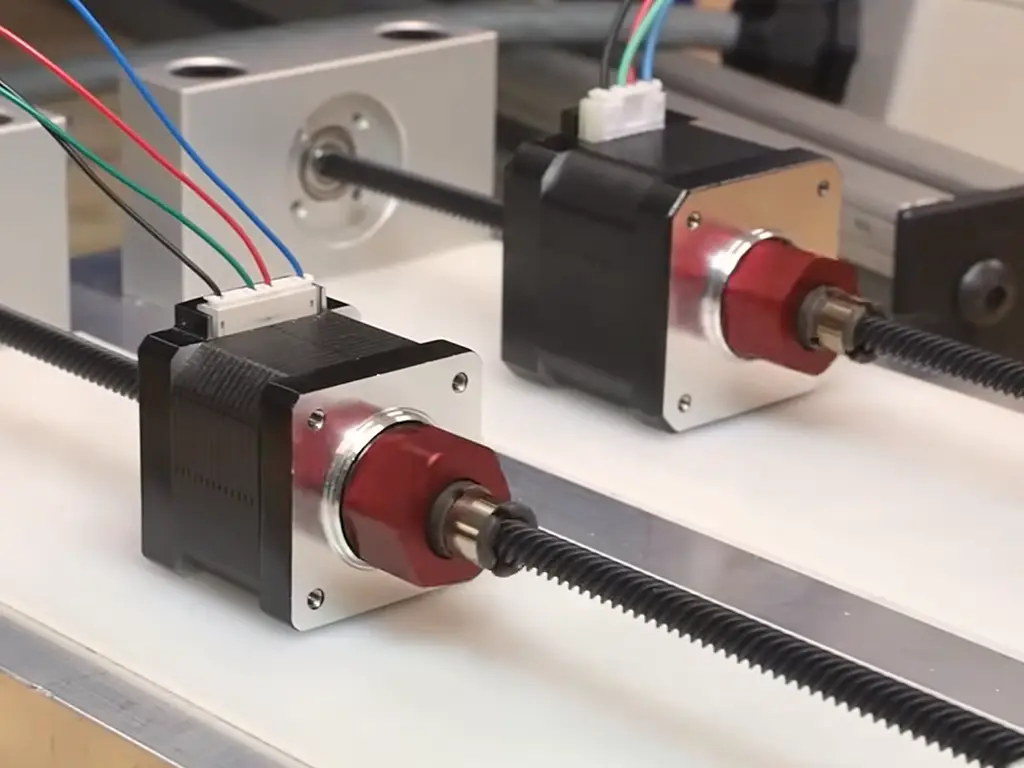
Lead Screw Actuator Design Guide: Ratings, Sizing, and Supplier Checks What Is a Lead Screw Actuator and How Does It Work? A lead screw actuator is one of the simplest ways to turn rotary motion into linear motion. Inside the housing, a motor (usually DC, often through a gearbox) spins a threaded shaft, and a […]
How to Calculate Linear Actuator Position: From Stroke Math to Position Feedback
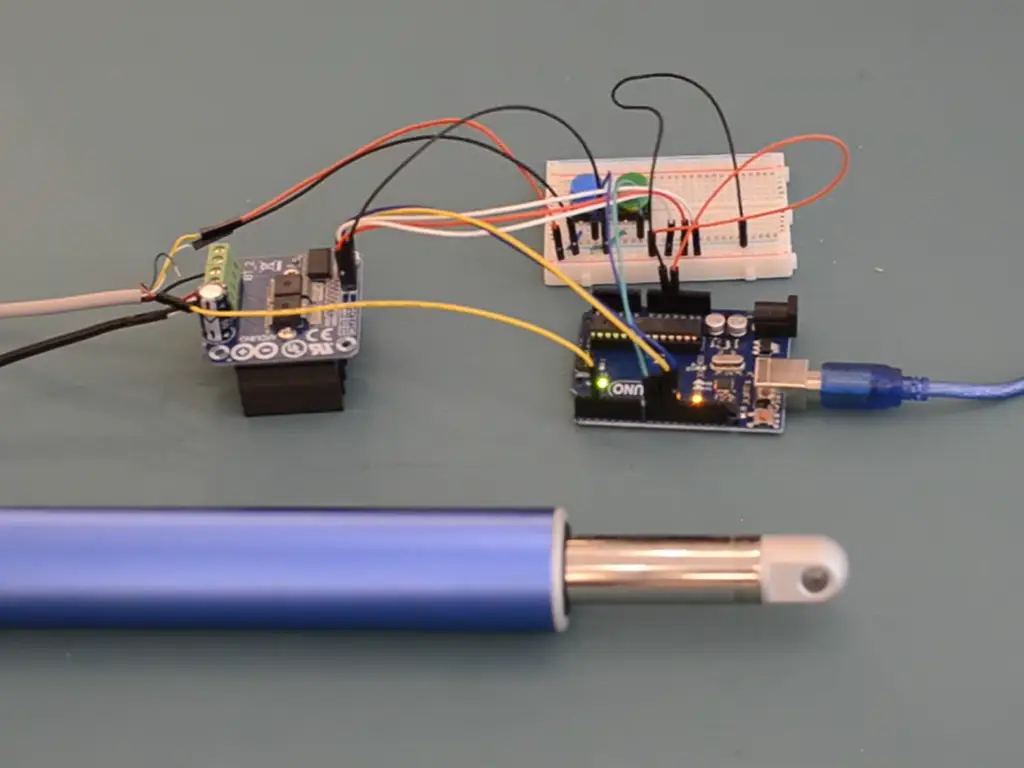
How to Calculate Linear Actuator Position: From Stroke Math to Position Feedback “Position” is the most overloaded word in the linear actuator world, and the most expensive to get wrong. Search for “how to calculate linear actuator position” and you will find two very different answers wearing the same label. One is a geometry problem […]
Force-Controlled Linear Actuator: 4 Ways Force Feedback Actually Works
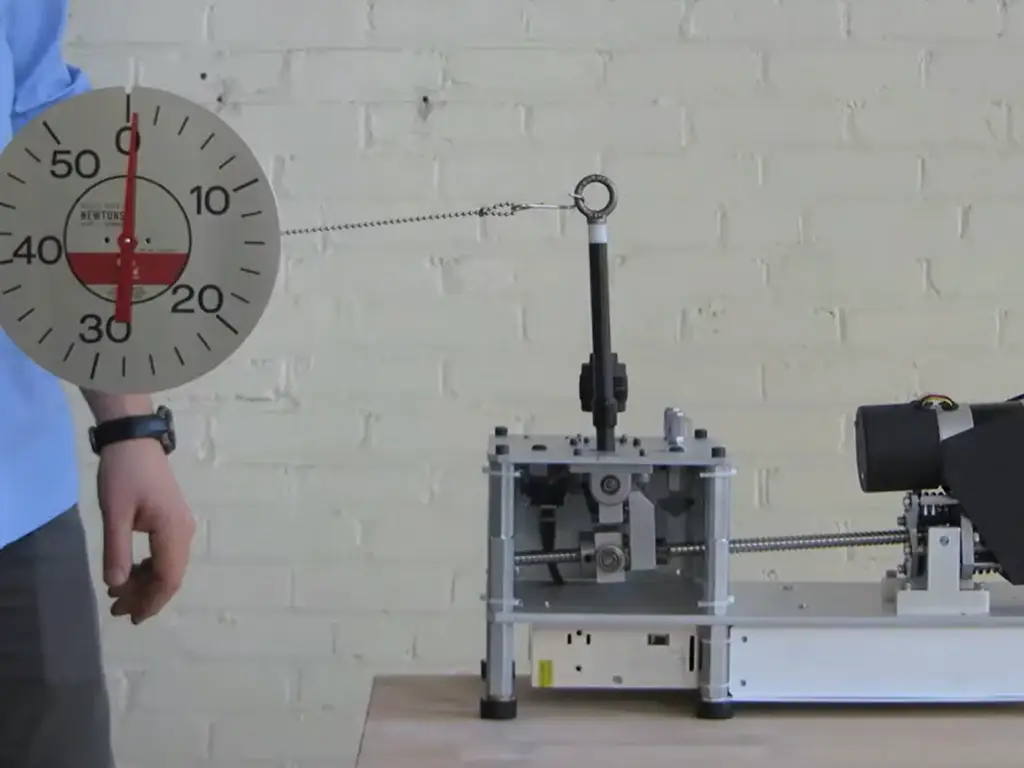
Force Controlled Linear Actuator: The 4 Ways Force Feedback Actually Works Search for “force controlled linear actuator” and you’ll find sensor makers pitching load cells, controller vendors selling closed-loop boards, and forum threads of half-answers. No one shows you the whole map. There are exactly four ways to implement force feedback on a linear actuator, […]
Linear Actuator Parts Diagram: Every Component, Function, and Design Trade-Off Explained
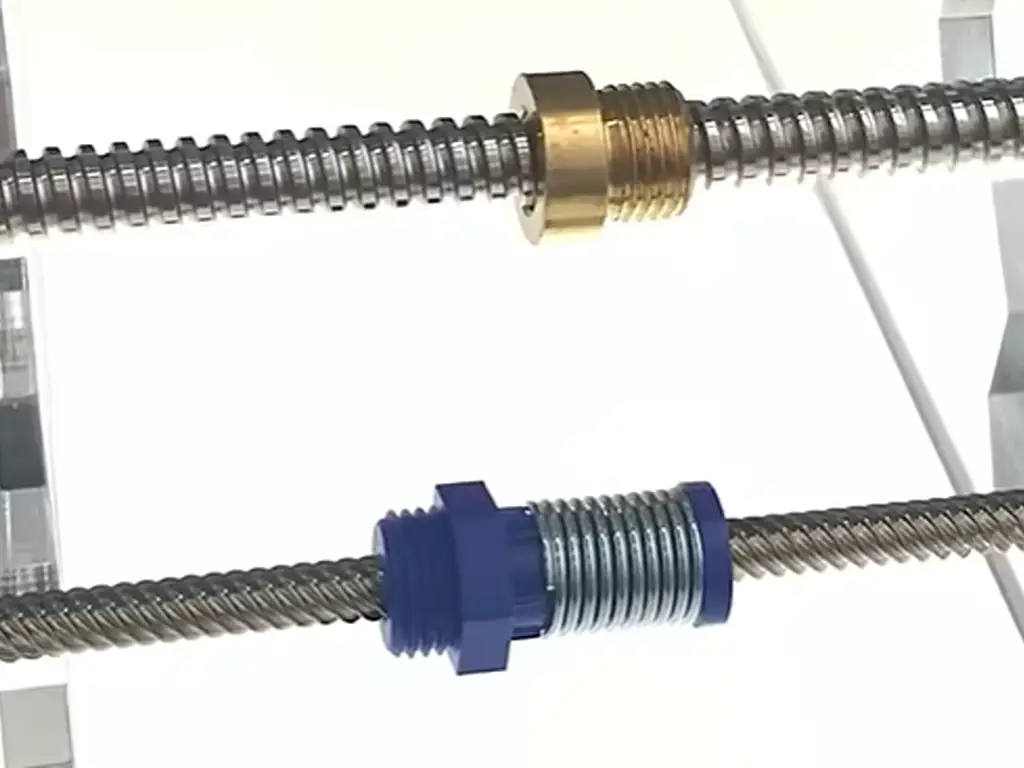
Linear Actuator Parts Diagram: Every Component and What It Really Determines Linear Actuator Parts Diagram: Reading the Drive Chain Open any electric linear actuator and you will find the same story told in metal and plastic: a rotary motor, a gearbox, a threaded screw, and a nut that turns rotation into straight-line motion. Once you […]
Linear Actuator Stroke Length: How to Measure, Size, and Specify It
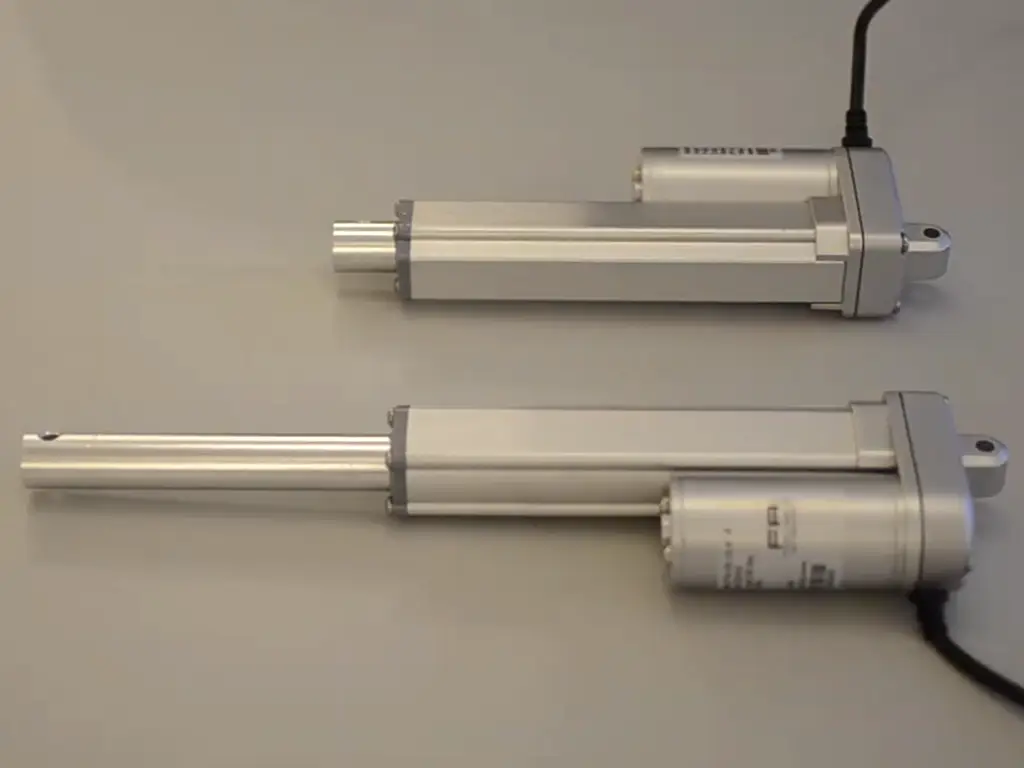
Linear Actuator Stroke Length Explained: Sizing, Trade-offs, and Custom Options Stroke length is the first number most people fill in on an actuator datasheet, and the one they rework most often. It is not the total length of the unit, not the distance you see it move in your head, and not a number you […]
How to Make a Linear Actuator Faster: 5 Methods and What Each One Costs You
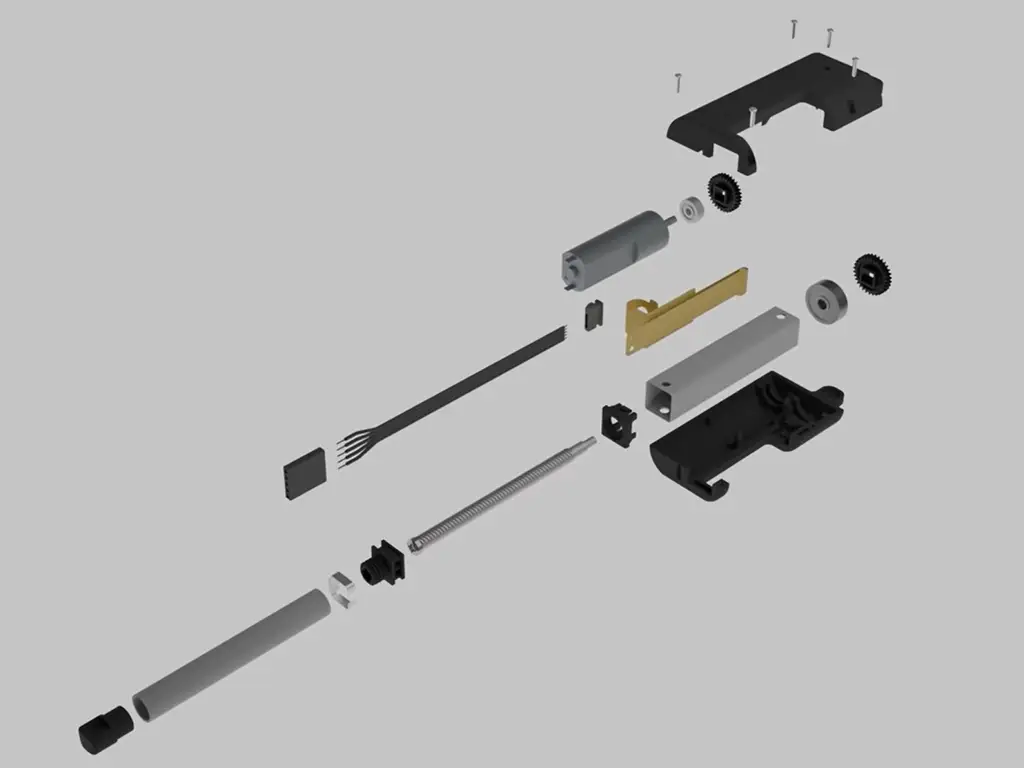
How to Make a Linear Actuator Faster: 5 Methods and What Each One Costs You A 12V linear actuator that takes nine seconds to extend feels endless when you are watching it. So you Google “how to make a linear actuator faster,” and you get a list: raise the voltage, change the gear ratio, swap […]
Linear Actuator Limit Switch Wiring Diagram: Built-In, External, and Relay Wiring Explained
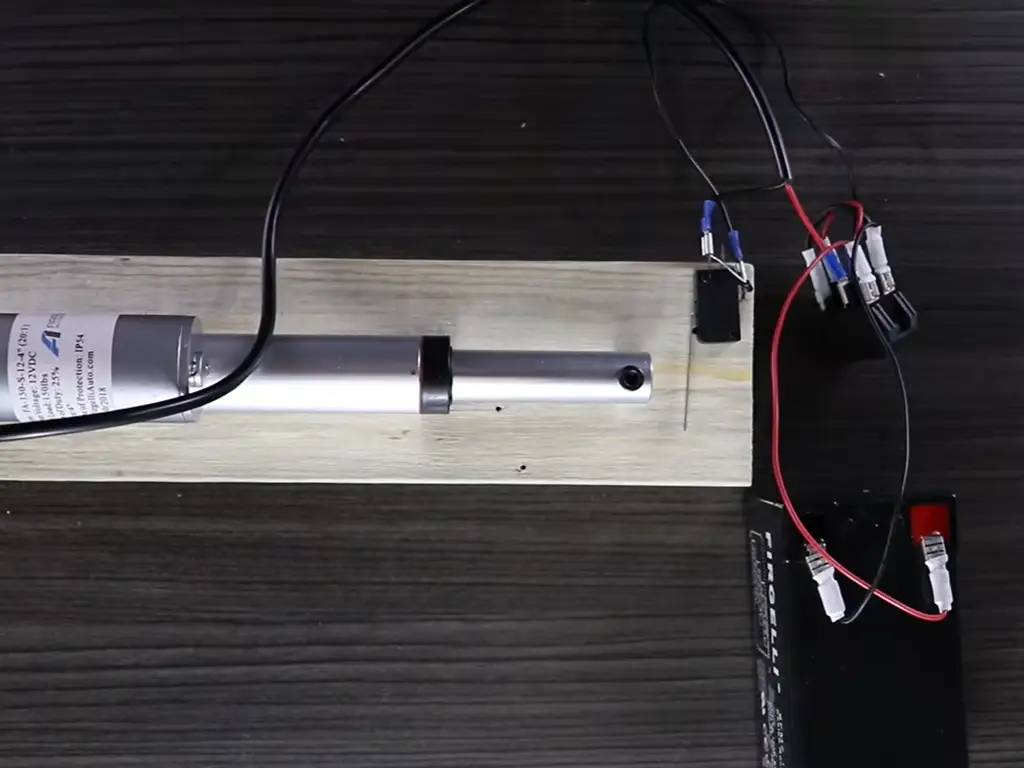
Linear Actuator Limit Switch Wiring Diagram: Built-In, External, and Relay Wiring Explained If you have ever stared at a linear actuator and wondered how two wires can make a motor stop at both ends of its stroke by itself, this guide is for you. Limit switch wiring is the part of an actuator installation that […]
Linear Actuator Wiring Diagram: How to Identify and Connect 2-Wire to 5-Wire Units
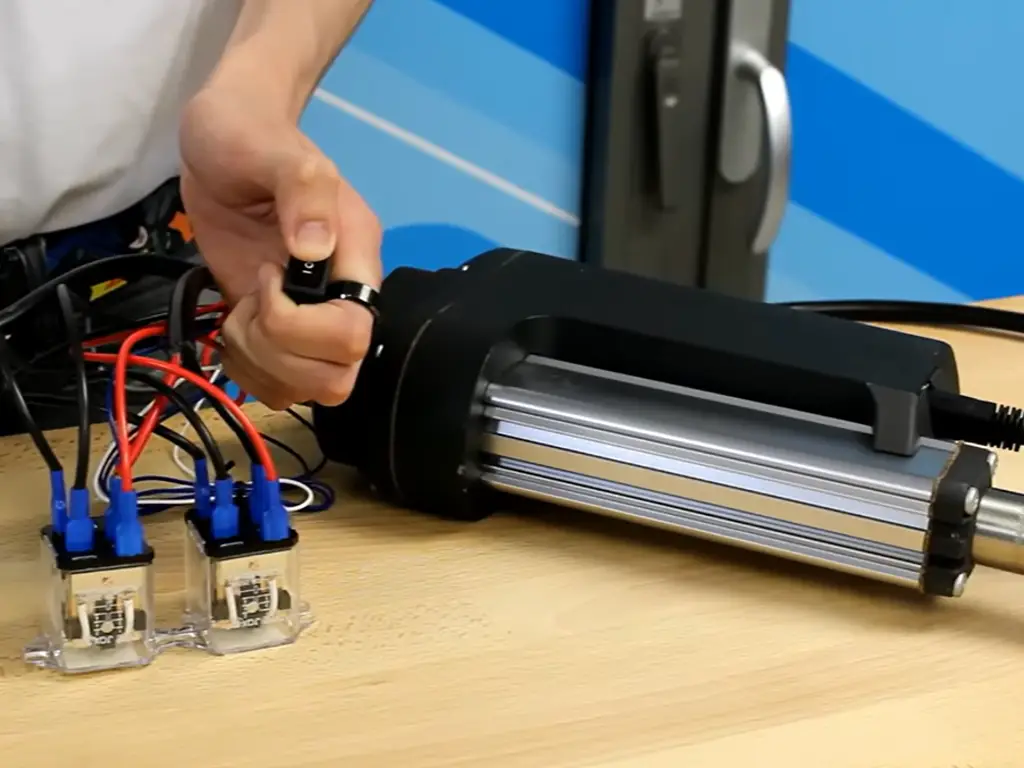
Linear Actuator Wiring Diagram: How to Identify and Connect Any 2-Wire to 5-Wire Unit First, Count the Wires: What Those Wires Actually Do Before you match any color to any terminal, count the wires. That single step prevents most of the confusion you will find in a typical “linear actuator wiring diagram” search, because wire […]
What Is Needed to Control a Linear Actuator? From DPDT Switches to PLC Control
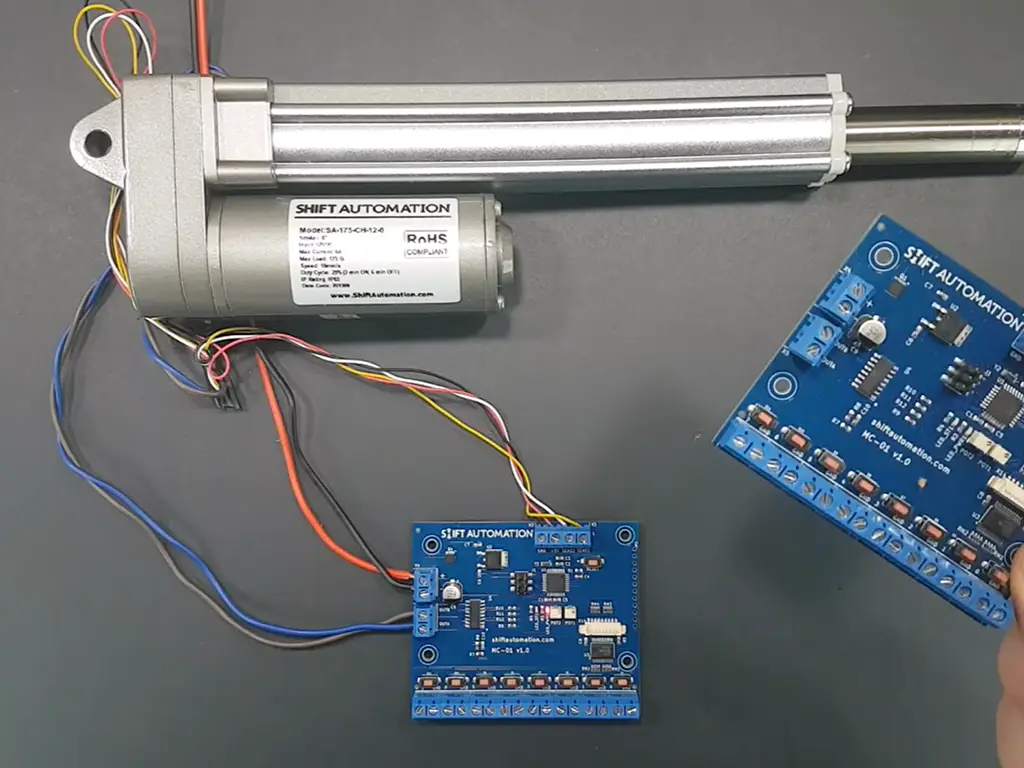
What Is Needed to Control a Linear Actuator? From a DPDT Switch to PLC Control Every electric linear actuator works on the same physics: a DC motor turns a lead screw, and the screw pushes a rod in and out. The control system around that rod is where projects get built — and where they […]
Linear Actuator Repair: A Practical Guide to Diagnosis, Fixing, and Deciding When to Replace
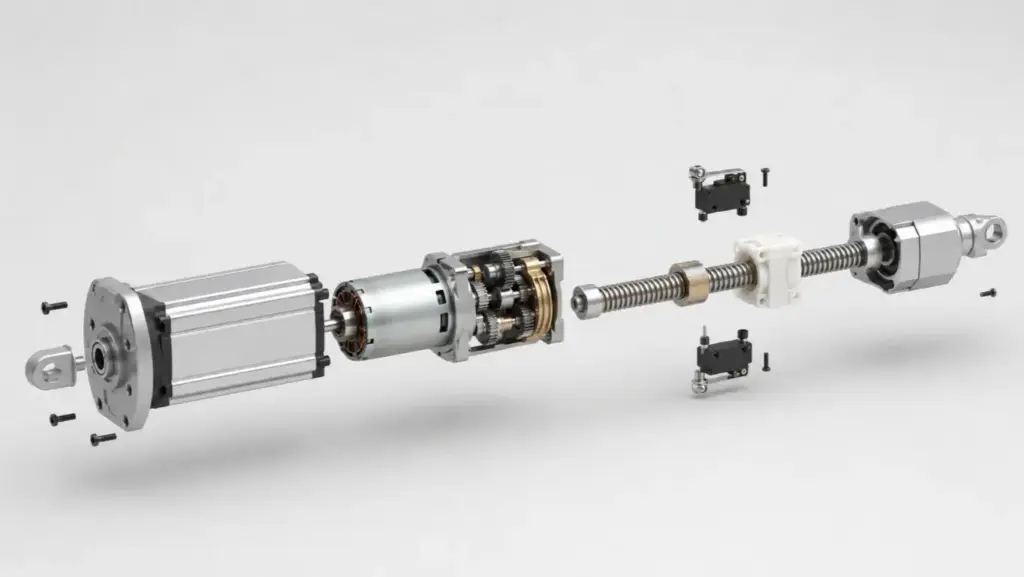
Linear Actuator Repair: A Practical Guide to Diagnosis, Fixing, and Deciding When to Replace When a linear actuator stops working, the first reaction is rarely calm. Maybe it’s the lift column on a medical exam chair that won’t rise. Maybe it’s the push rod on a production line fixture that’s gone silent. Whatever the application, […]
 English
 Chinese
 German
 Spanish
 French