
Linear Actuator Force Calculation: A Practical Guide to Getting Your Sizing Right

Linear Actuator Force Calculation: A Practical Guide to Getting Your Sizing Right If you are specifying a linear actuator for a real application (a hatch that needs lifting, a conveyor gate that needs sliding, a medical table that needs raising), you have asked yourself the same question: how much force do I actually need? The […]
Linear Servo vs Linear Actuator: It’s Not About the Motor — It’s About Control
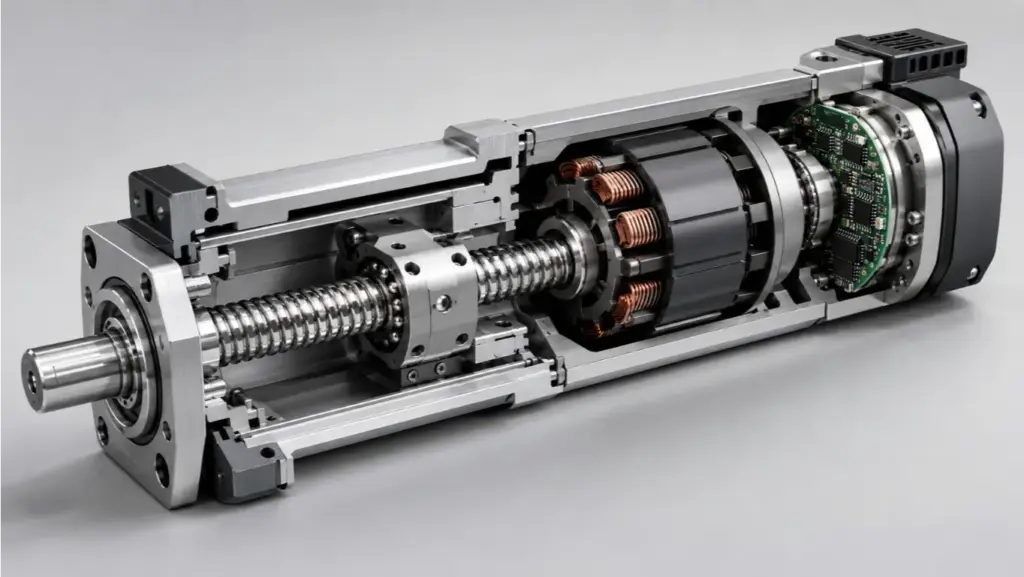
Linear Servo vs Linear Actuator: It’s Not About the Motor — It’s About Control Here’s a moment every machine designer knows: you’re staring at two datasheets that look nearly identical. Same housing shape. Same mounting dimensions. Similar force ratings. One says “linear actuator.” The other says “linear servo actuator.” The price gap? Anywhere from 2× […]
Electric Actuators Replacing Hydraulic Cylinders: A Practical Decision Guide
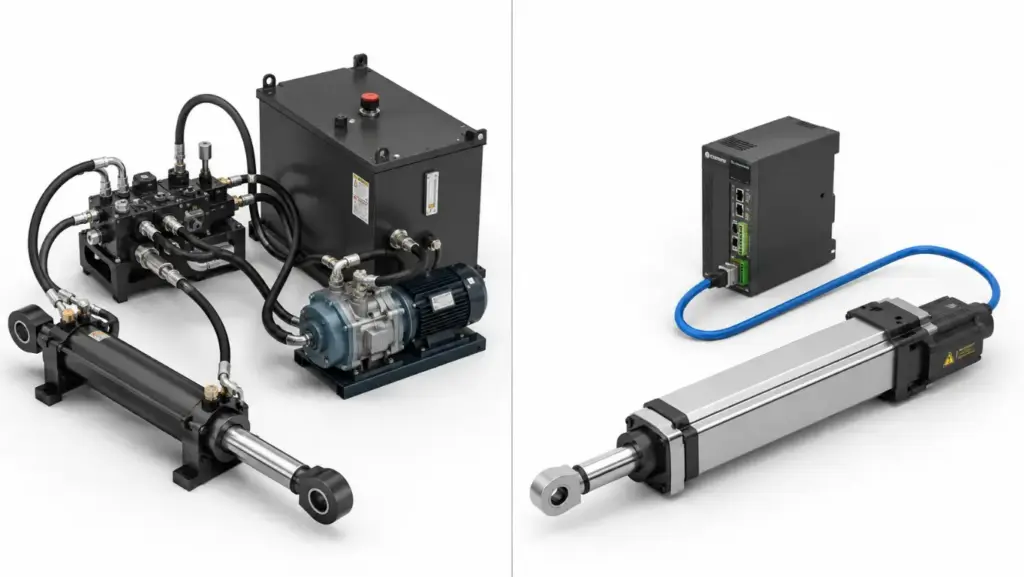
Electric Actuators Replacing Hydraulic Cylinders: A Practical Decision Guide You manage a production line, maintain industrial equipment, or design machinery. At some point, the question comes up: can I swap these hydraulic cylinders for electric actuators — and should I? The short answer: electric actuators now handle forces once reserved for hydraulics, with better efficiency […]
12V Linear Actuator Reviews: An Engineer’s Guide to Reading Between the Specs
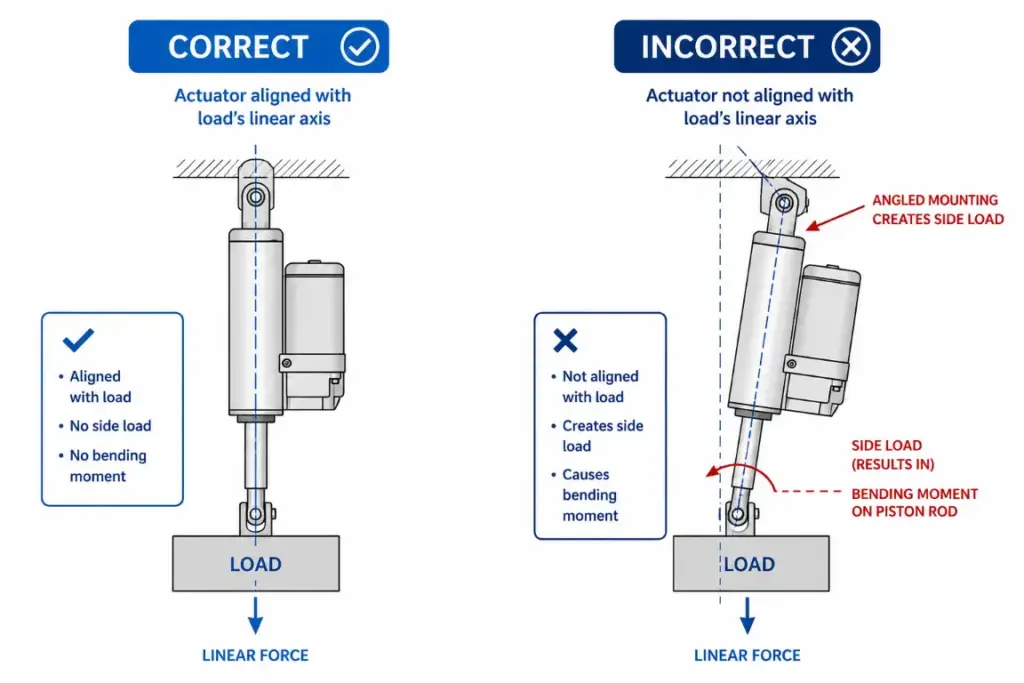
12V Linear Actuator Reviews: An Engineer’s Guide to Reading Between the Specs If you’ve spent any time scrolling through Amazon listings or YouTube reviews for 12V linear actuators, you know the pattern. A wall of near-identical silver cylinders. Each one promising “6000N max load” and “IP65 waterproof” and “super quiet.” Star ratings hover between 4.2 […]
How Long Do They Last? Calculating Electric Linear Actuator Lifespan
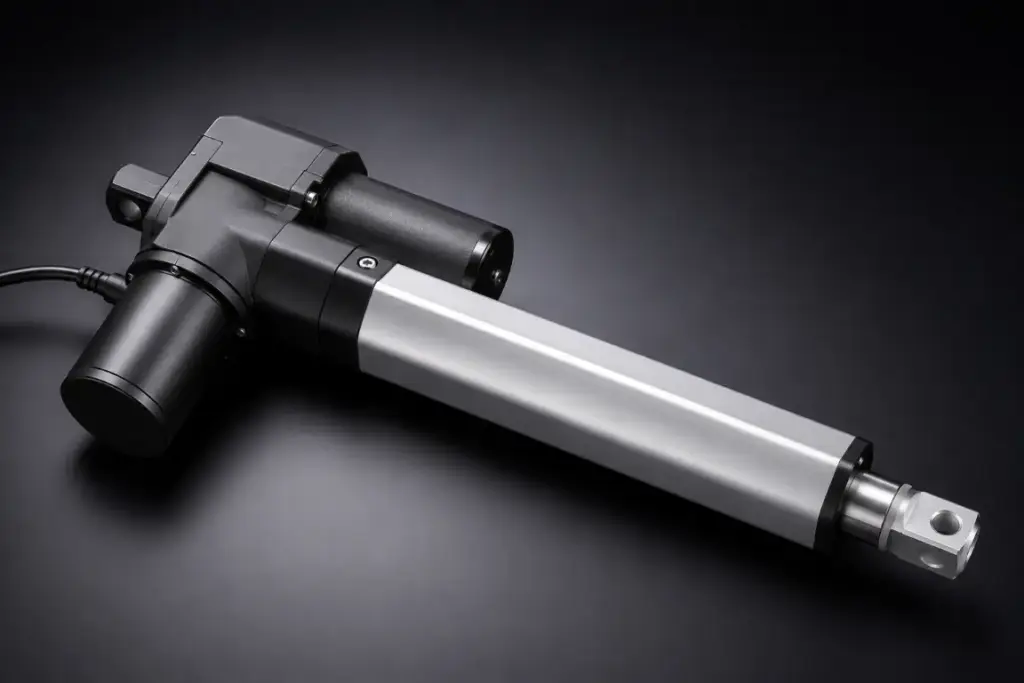
When engineering a new piece of automated machinery, relying on a static “estimated lifespan” from a basic product brochure is a recipe for catastrophic downtime. In industrial automation, medical equipment, and precision manufacturing, the lifespan of an electric linear actuator is not a fixed expiration date stamped on a box; it is a highly variable […]
Servo Motor vs. Stepper Motor: The 2026 Ultimate Selection Guide for Electric Linear Actuators
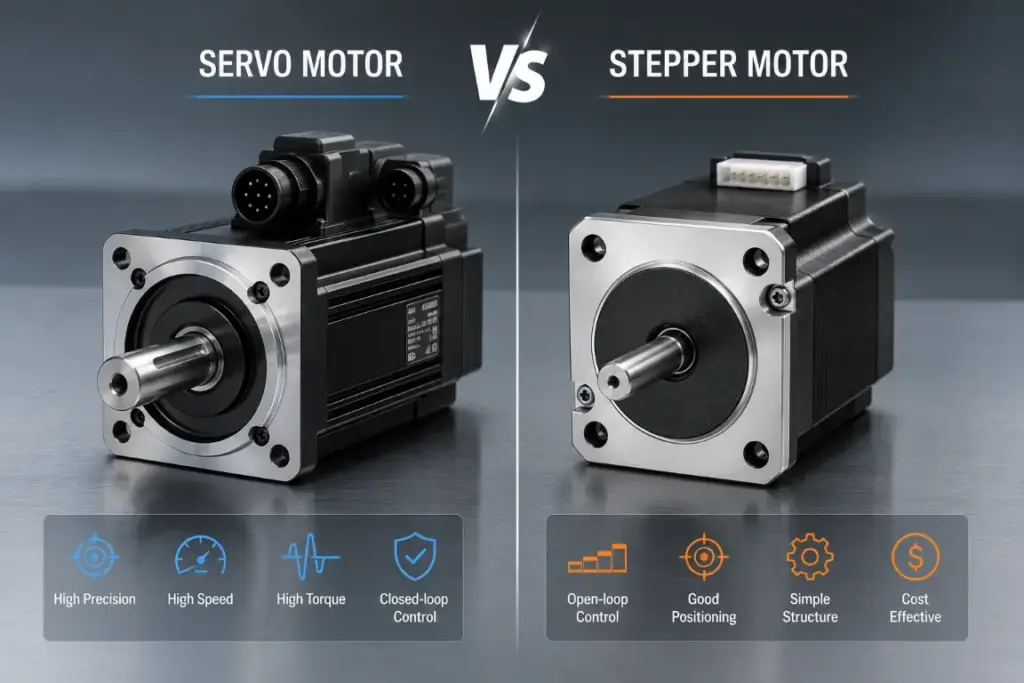
During the research, development, and procurement phases of automation equipment, engineers frequently face a classic dilemma: “Should this machine use a servo motor or a stepper motor?” If your only goal is to make a dial spin, this is merely a simple trade-off between cost and precision. However, if your ultimate objective is to achieve […]
Solenoid vs Linear Actuator: The Ultimate 2026 Engineering Guide
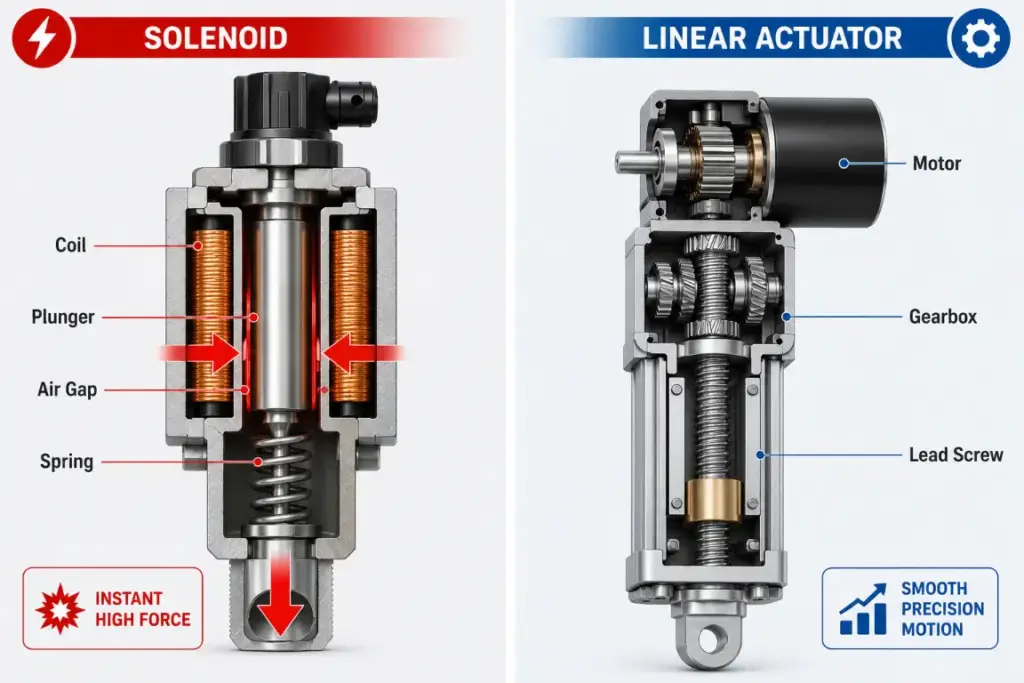
Resolving the Industry Ambiguity: Linear Motion versus Valve Control Specifying the wrong linear motion component doesn’t just blow your procurement budget; it compromises your entire mechanical assembly. A mismatched drive system leads to erratic positioning, catastrophic thermal failures, and skyrocketing maintenance costs. When engineers evaluate solenoid vs linear actuator technologies, the decision extends far beyond […]
Stop Wasting Money: Hydraulic vs Pneumatic vs Electric Actuators TCO Breakdown
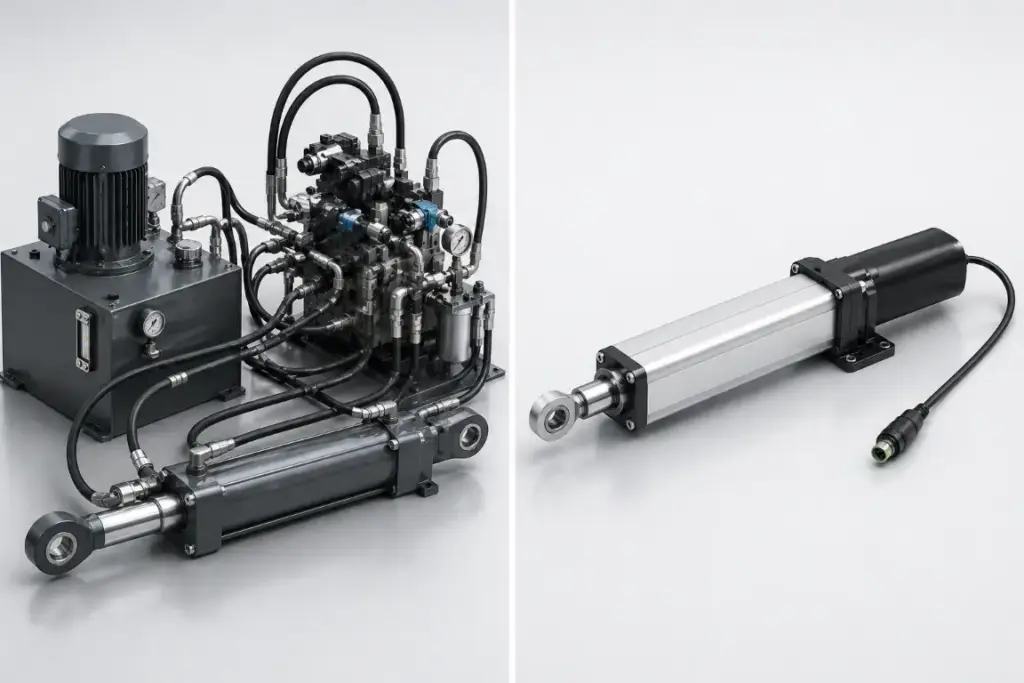
The Core Mechanics: How Electric, Hydraulic, and Pneumatic Actuators Work Fluid Power Systems: Hydraulic and Pneumatic Principles Fluid power relies on directing pressurized media to create linear motion. Hydraulics utilize incompressible fluids (oil) to generate immense force, while pneumatics use compressible air for rapid cycling. However, neither operates in a vacuum. Think of them as […]
How Much Does a Linear Actuator Cost? Breakdown & Hidden Fees in 2026
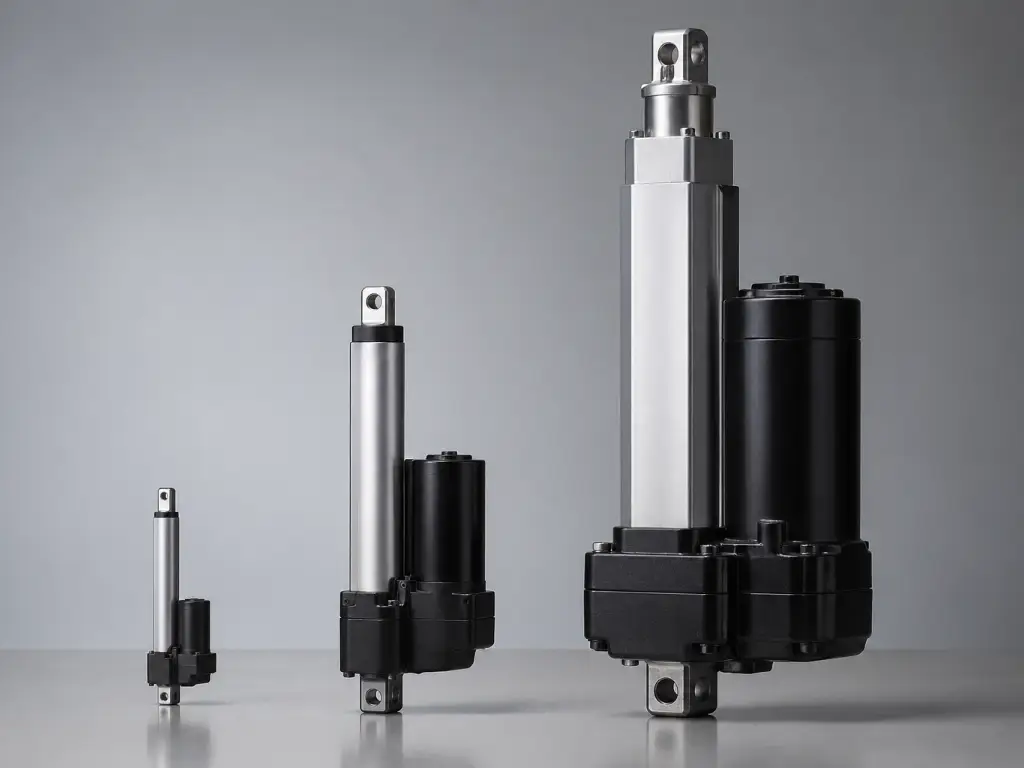
Budgeting for linear actuators in B2B engineering and industrial design is often a minefield. If you are a procurement manager or a design engineer, you already know that the sticker price of a bare actuator is rarely your final bill. Buying a $100 off-the-shelf unit seems like a win for the budget—until you spend $400 […]
Trusted Linear Actuator Manufacturers: Complete Guide
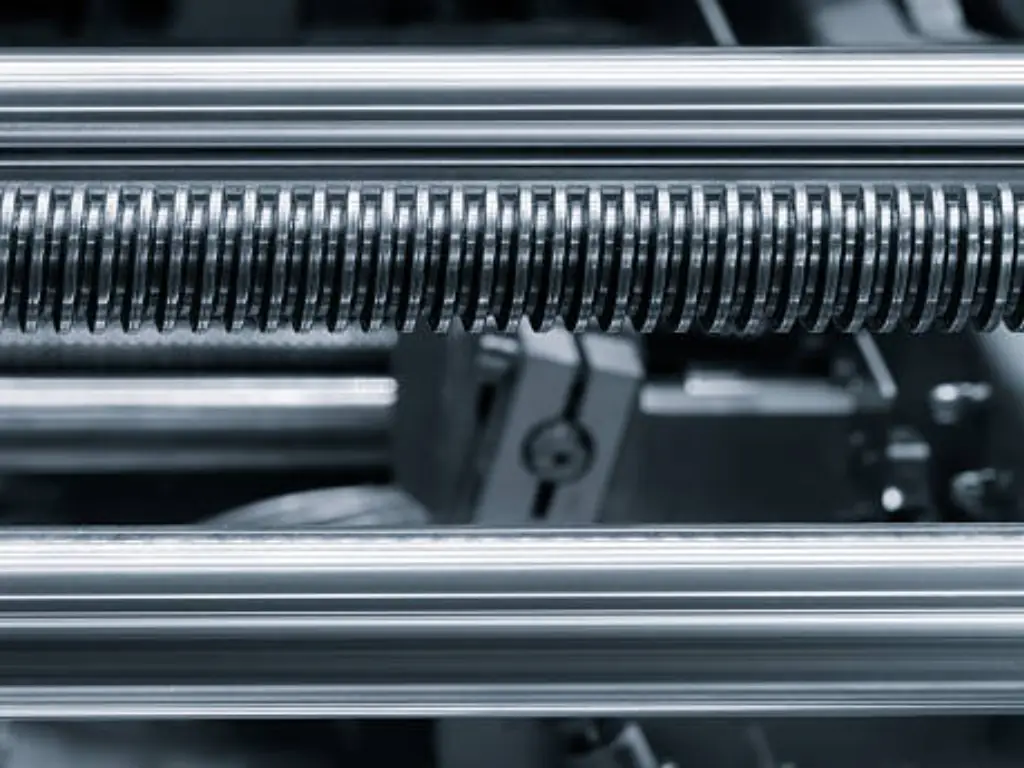
The necessity to possess a more precise, dependable, and effective motion control has never been as great in the era of Industry 4.0 and the scorching advancement of smart home applications. Linear actuators serve as the fundamental “muscles” of automation, converting electrical energy into linear motion across a staggering variety of applications—from the delicate movements of a robotic surgical arm to the brute force required to tilt industrial solar arrays.
 English
 Chinese
 German
 Spanish
 French